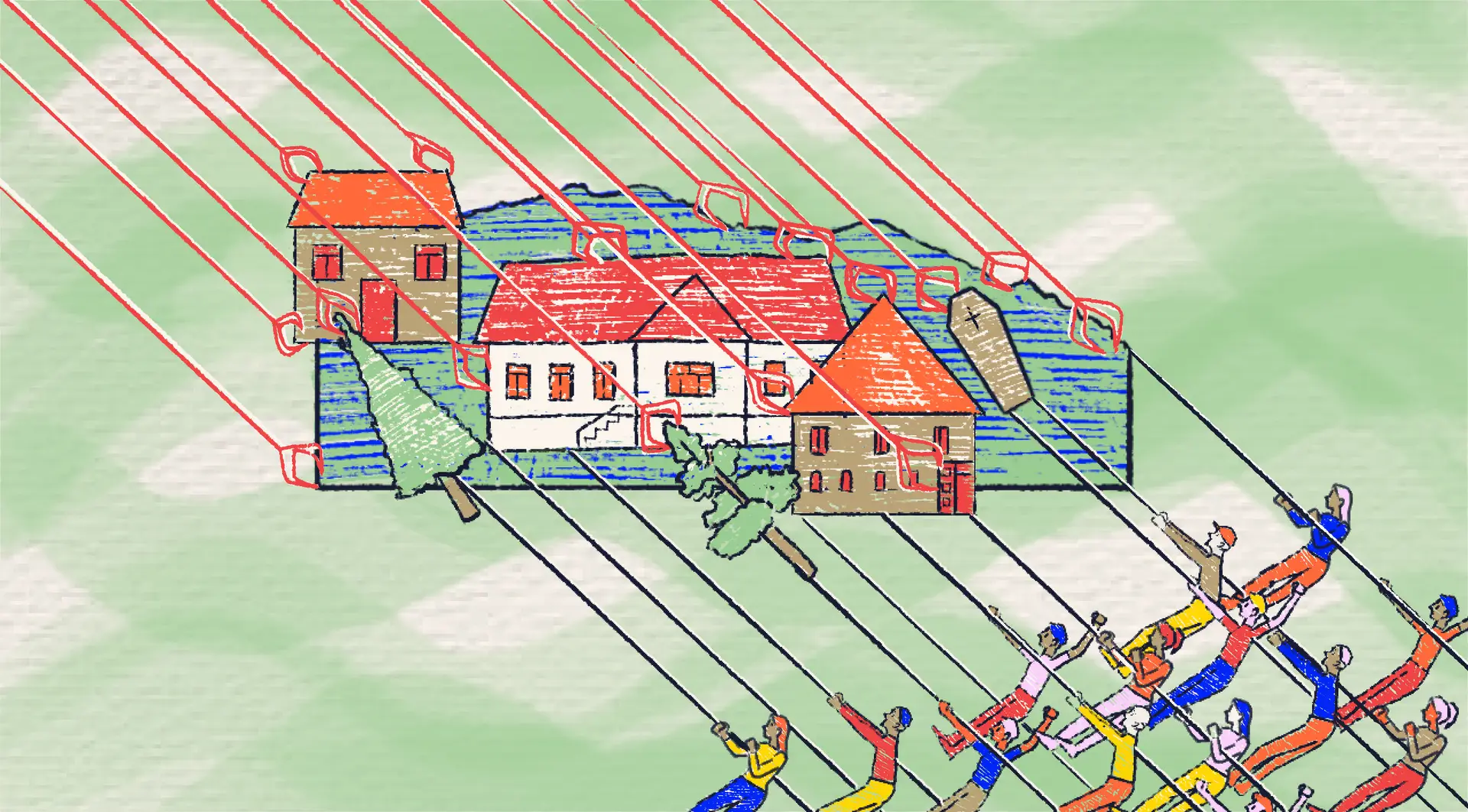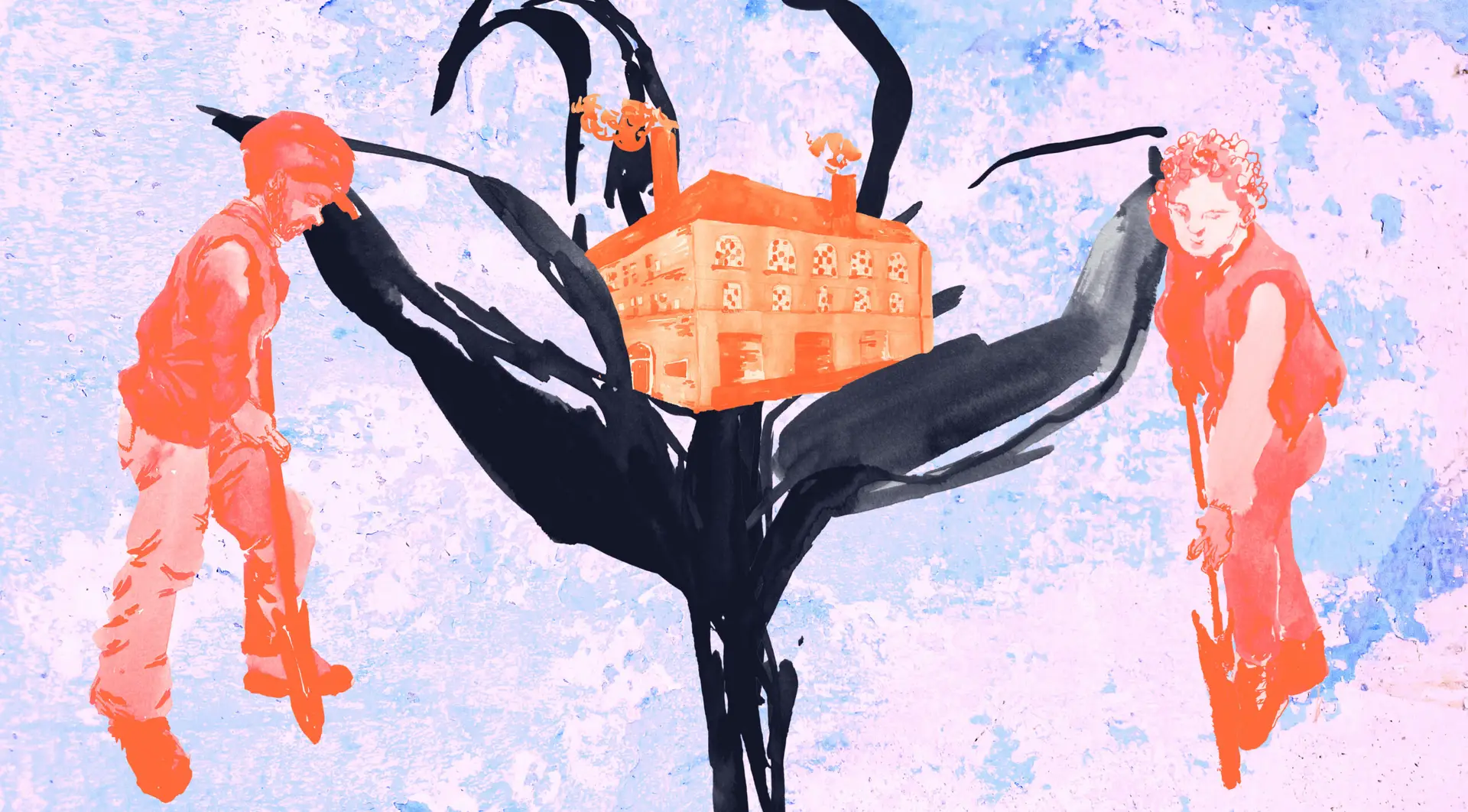
The sudden demise of a long-running car-parts factory outside Florence was just the beginning of a different story. Protesting relentlessly and demanding a chance to rebuild from the ground up, the workers’ struggle changed the law throughout the region, and created a model for a new kind of factory.
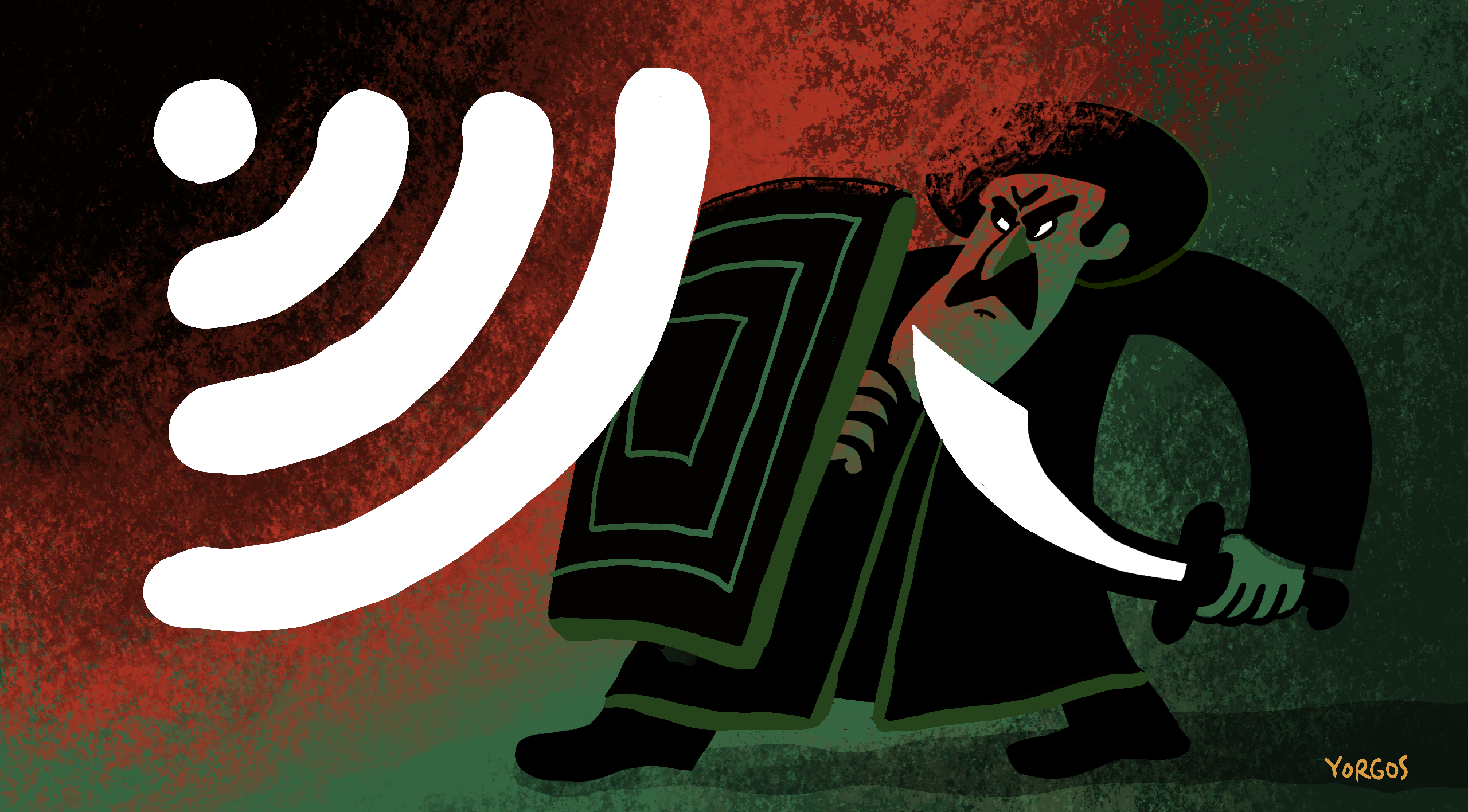
Sophisticated new techniques for blocking public access to the internet show how autocratic governments have benefited from the monopolized tech landscape. It’s time to rethink how we connect and report, writes Sabrina Faramarzi.
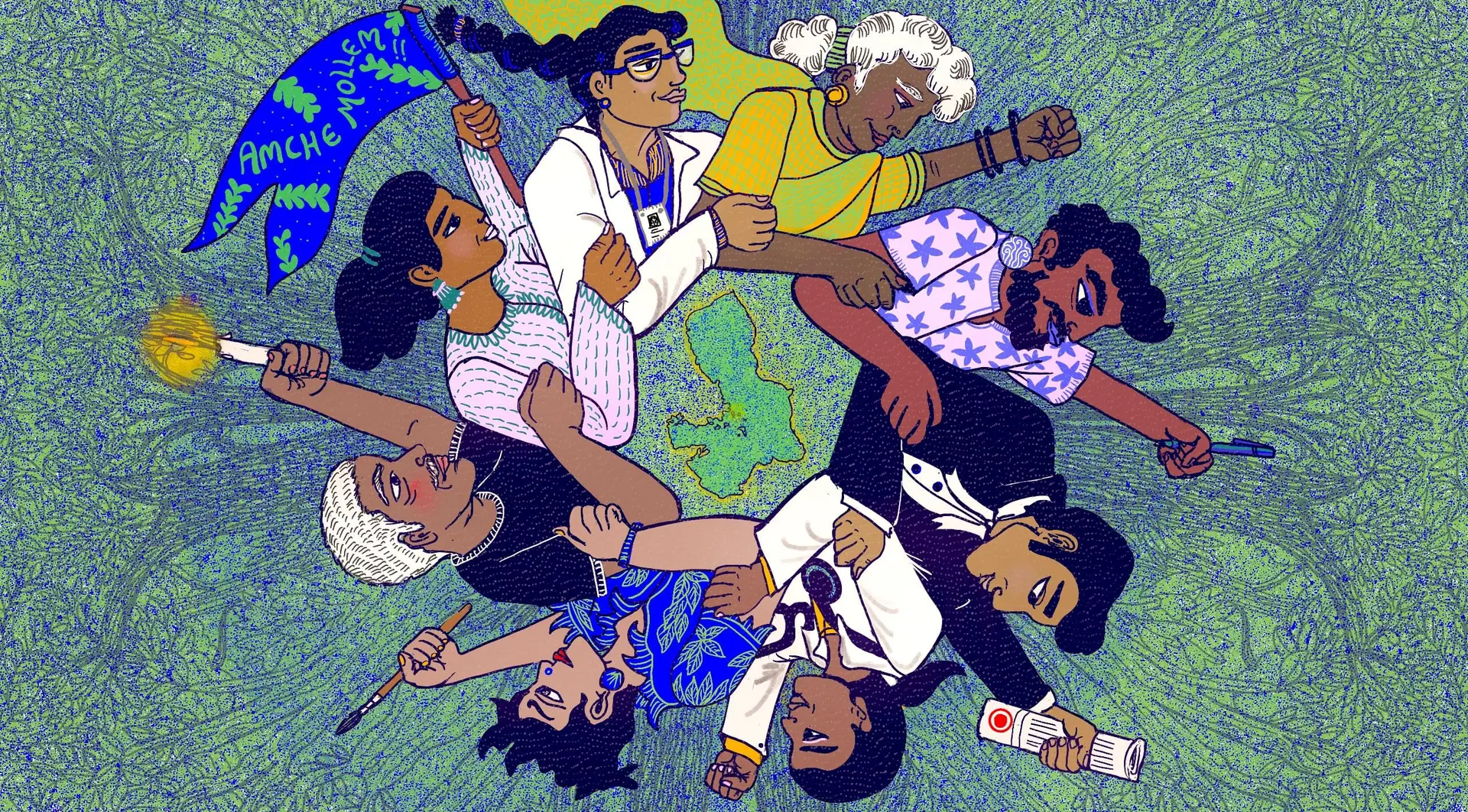
When the Indian government quietly approved projects that would cut through Goa’s ancient forests, an unlikely alliance rose in defiance. Young scientists and artists teamed up with veteran lawyers and activists to wage a fierce battle — online, in courtrooms and on the streets. Their collective strength saved the forest, preventing Goa from becoming a coal corridor.
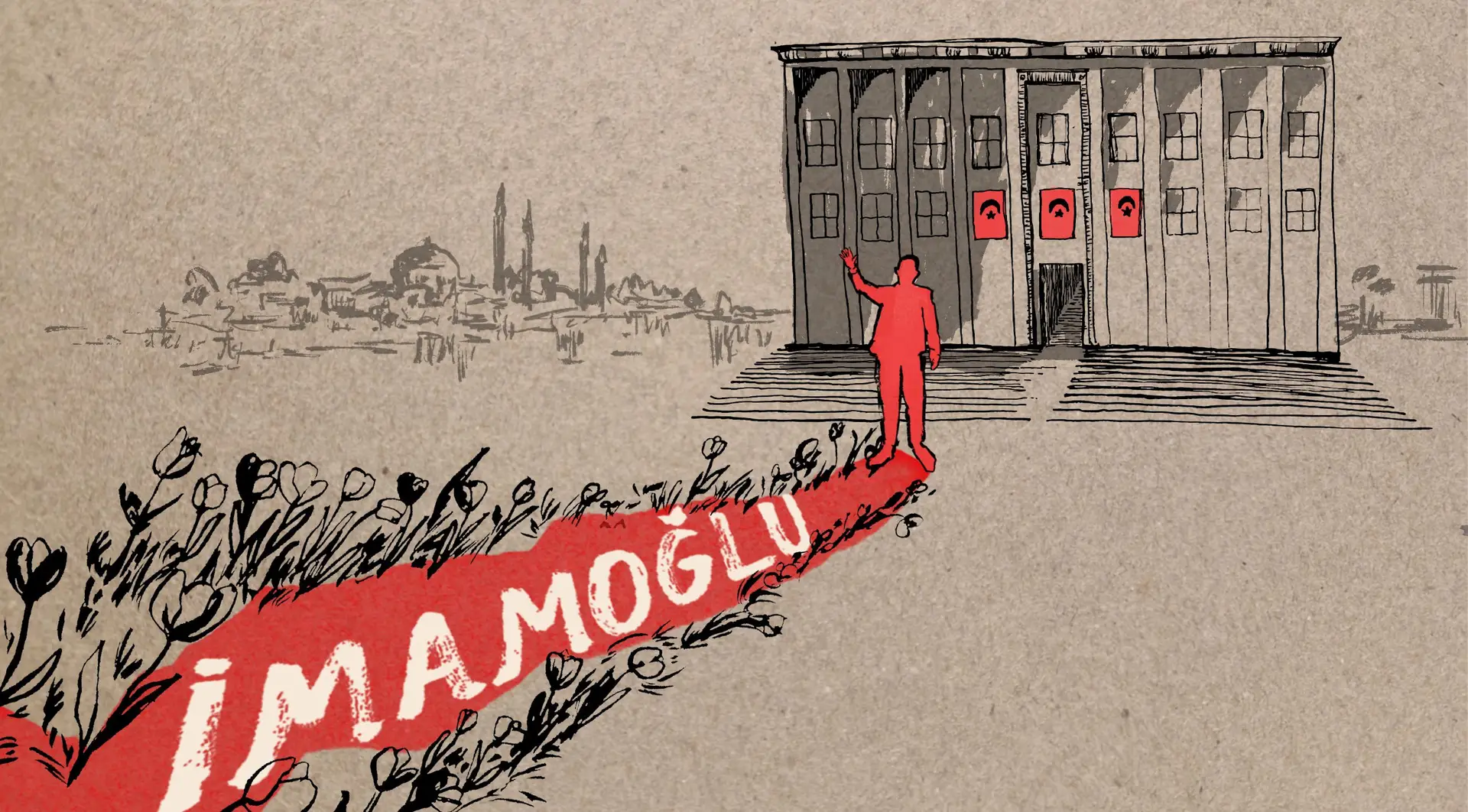
Imprisoned since March, Istanbul Mayor Ekrem Imamoglu is considered the greatest threat to Erdogan’s power in decades. But how did Imamoglu and the CHP mount a successful comeback despite a captured media and demoralized opposition? Research, militancy, and relentless positivity proved key.
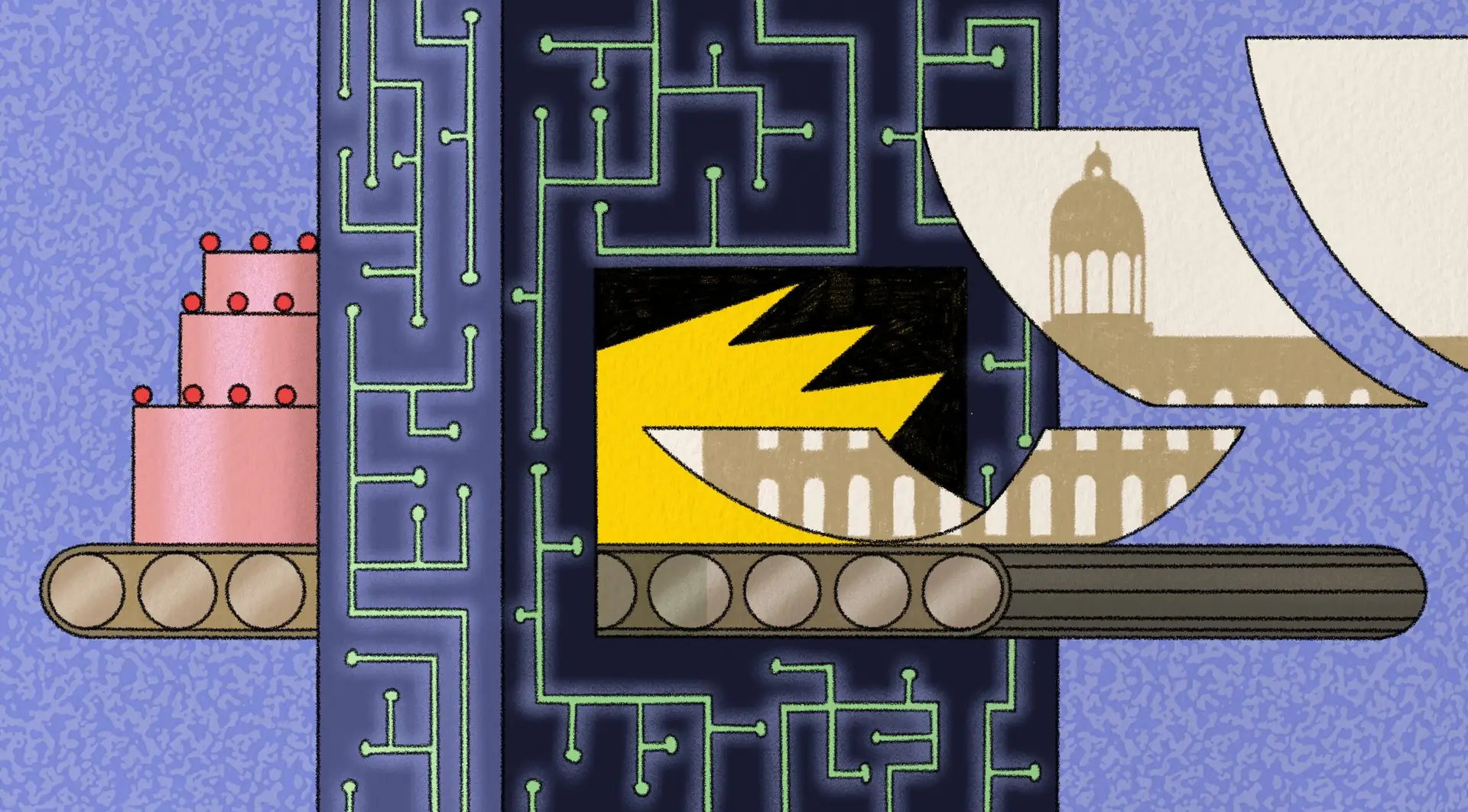
If democracy is indeed “government of the people, for the people and by the people,” then legislators must provide more transparency on the extent to which the governance of people is currently being outsourced to machines.
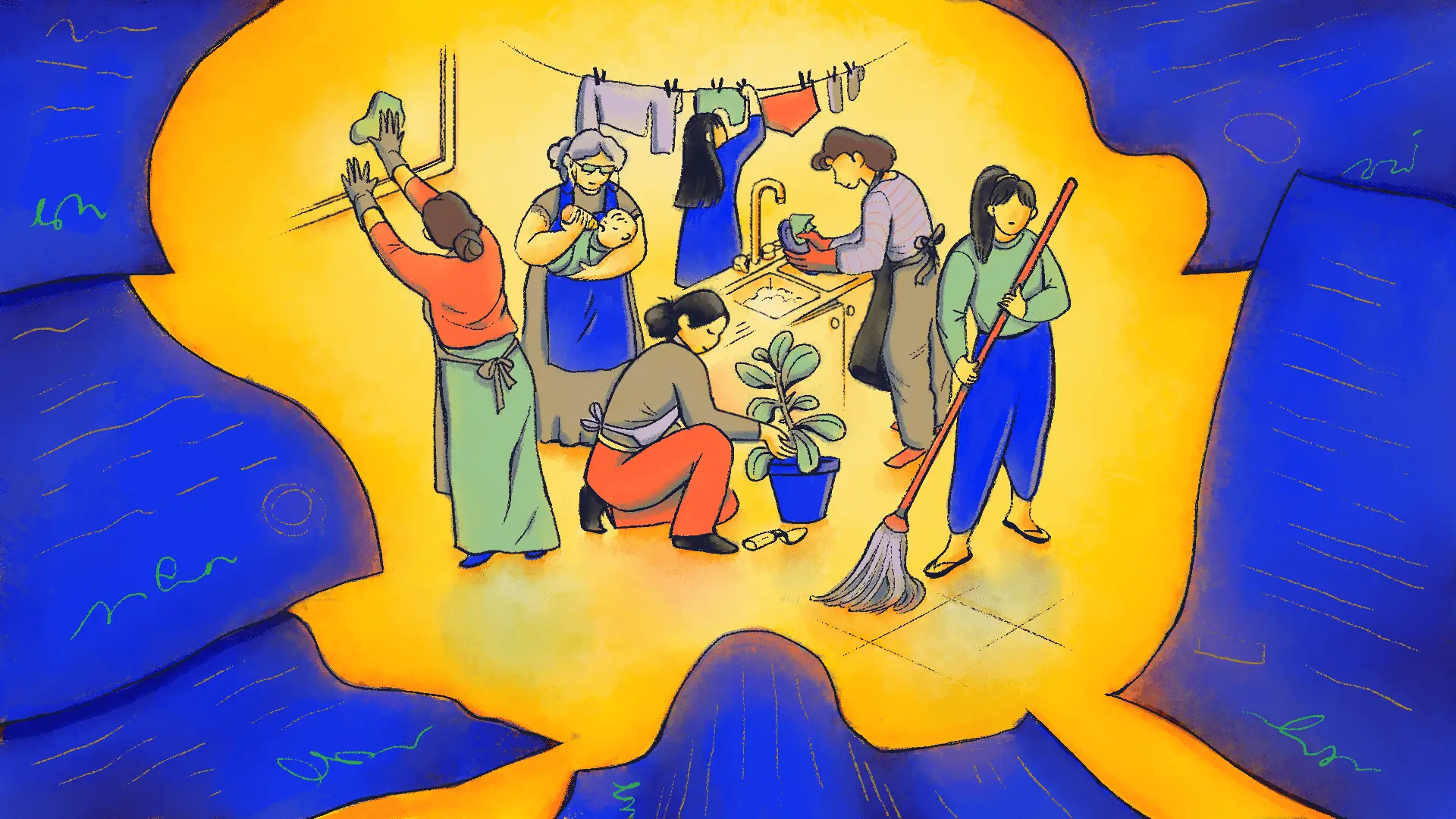
A migrant-led movement has used tactics from theatre to unionization to demand equal rights and dignity for those doing society’s most undervalued labor. They’ve appealed to the highest levels of EU justice and achieved major legal reforms. Yet perhaps their biggest triumph is an ongoing movement for social change powered by intersectional solidarity and care.