Foreign capital, local burden: Who benefits from mining in Bosnia? 

When foreign companies restarted mining operations that had been shuttered since the breakup of Yugoslavia, Vareš had high hopes of economic revival. But as the state fails to take a stand against pollution and deforestation, optimism has given way to nostalgia for the socially owned mines of the communist era.
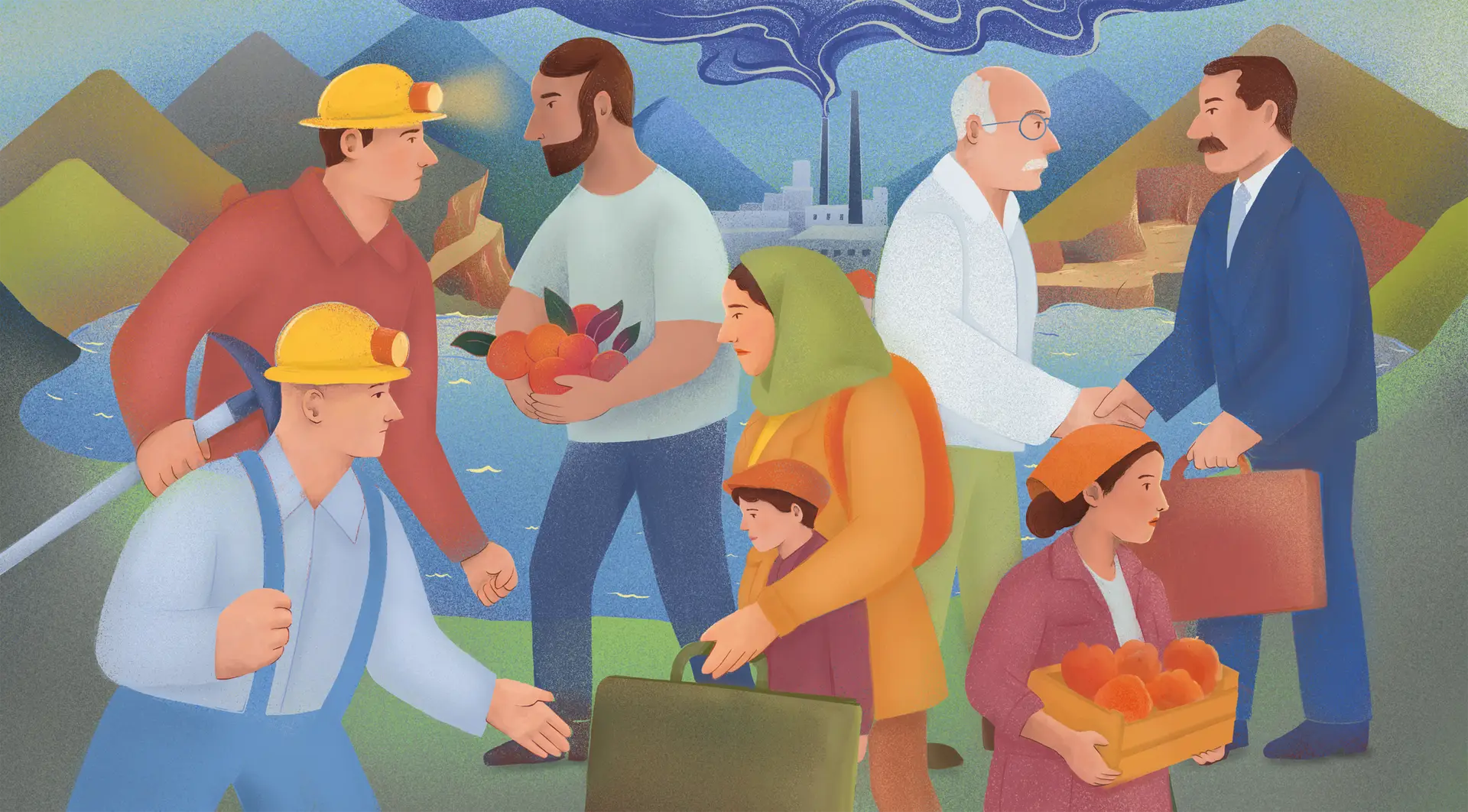
Workers, miners, citizens cross paths in front of a factory and lake

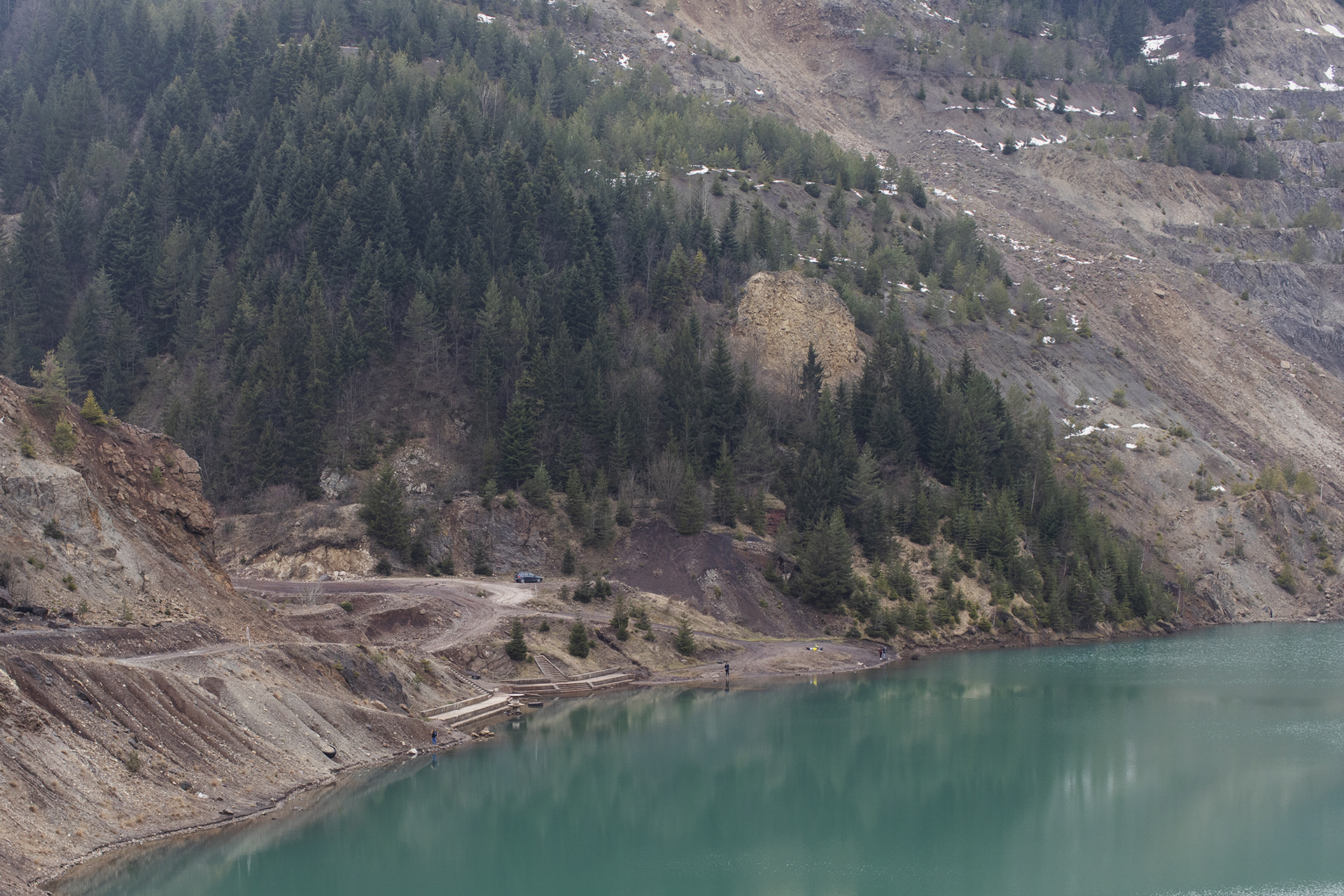
On the outskirts of Vareš, Jezero Nula – Lake Zero – makes for a breathtaking view: a cloudy blue ellipse against the green slopes of the Stavnja river valley in central Bosnia and Herzegovina. A little more than three decades ago, Lake Zero didn’t exist. There were spruce trees and houses, and then there was a hole in the ground – the Smreka open-pit mine – dug out by the Yugoslav Mining and Metallurgical Combine Zenica, RMKZ.

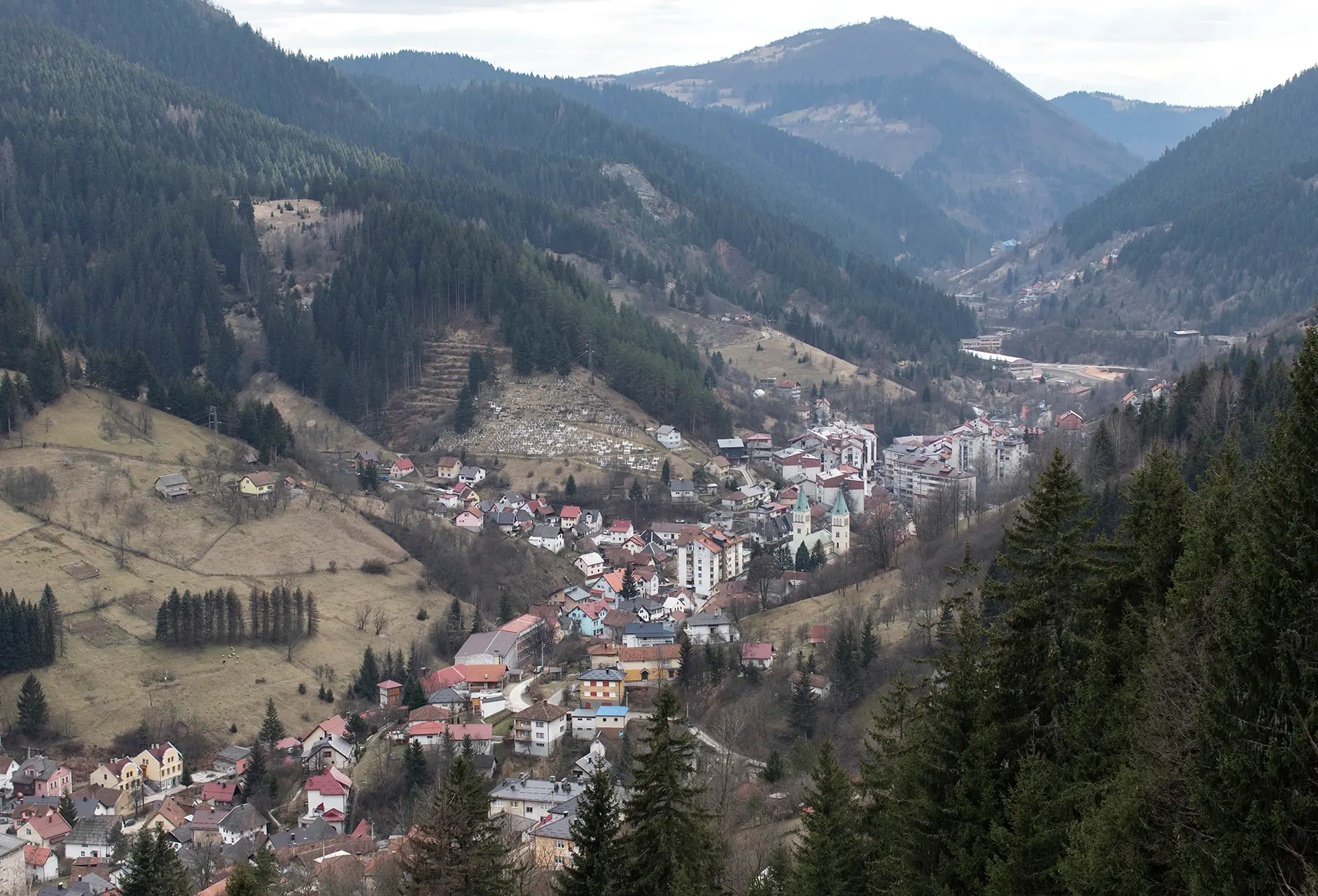
A city rests in a valley between mountains
Vareš, a mountain town some 50 kilometers from Sarajevo, is shaped by the wealth of metals hidden in its rock and earth.
Open-pit mining at Smreka was abandoned with the start of the war. The pit flooded and became Lake Zero.

The site was one of several around Vareš where RMKZ extracted iron ore until the early 1990s, when the war brought its operations to an end. The gigantic pumps that kept the Smreka pit clear for work were suddenly silenced. Over the coming months, the pit filled up and equipment was submerged. Lake Zero became a spot where the people of Vareš come for relief from the summer heat.

Mining has the shaped history, geography and identity of Vareš. Only now, it’s not a socially owned, self-managed Yugoslav enterprise that is extracting wealth from its earth. Canadian company DPM Metals took over the Vareš mine in September 2025, following its acquisition of British-owned Adriatic Metals, which had restarted mining in the area in 2023. Where RMKZ dug up iron ore, for Adriatic – and now DPM – ores containing silver, zinc and lead – as well as, to a lesser extent, copper, gold and antimony, are the prize.

All these materials are used in electronics. Silver in particular is used in photovoltaic cells, which are pushing up demand for the precious metal. Zinc is used in galvanized steel for weather-proof construction and car parts, as well as zinc-ion batteries that are in growing demand for the transition to a less carbon-intensive energy supply, while lead has countless applications – primarily in combustion engines, but also in batteries and digital technologies.

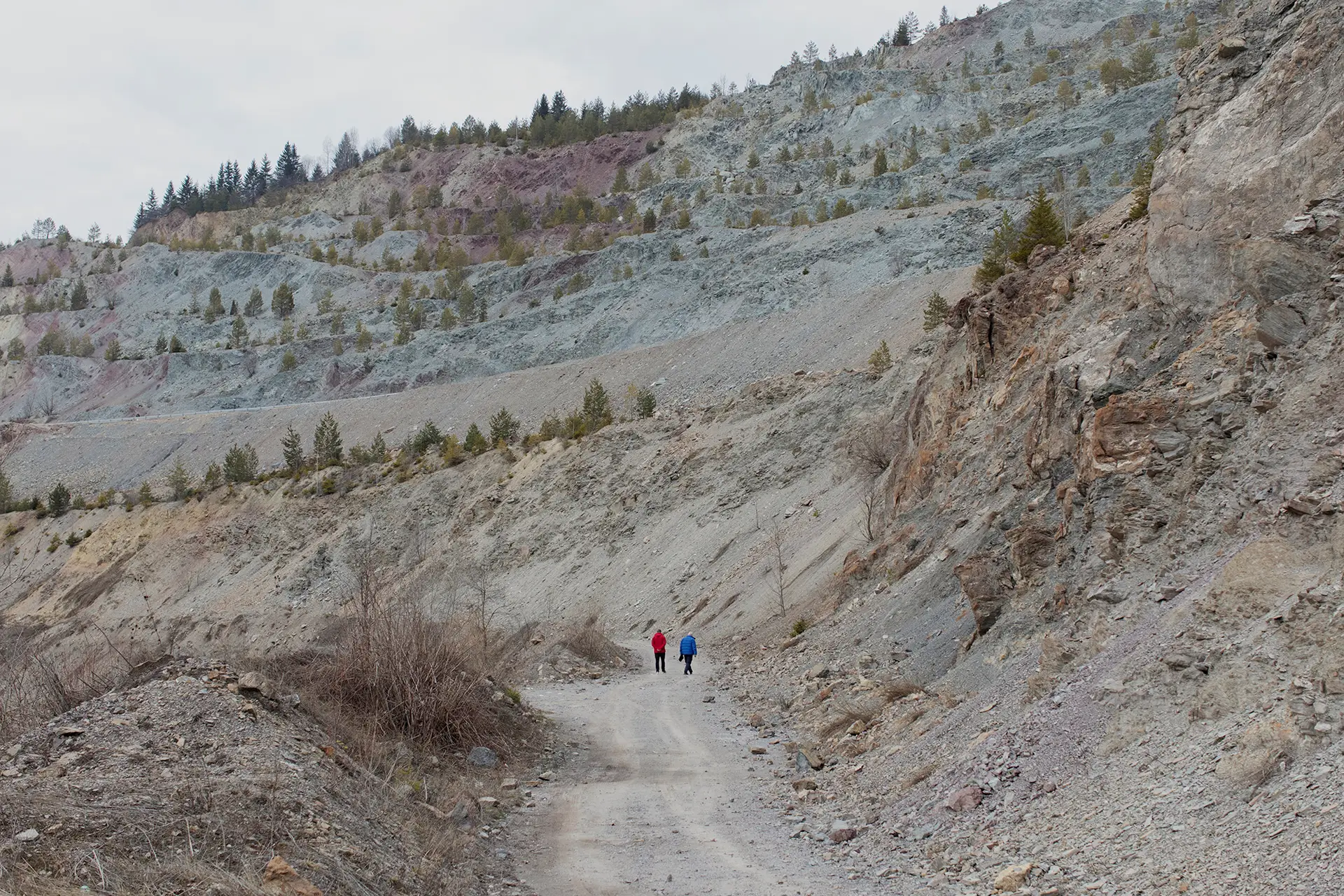
The open-pit site at Smreka where iron ore was extracted in the Yugoslav era.

In 2024, the EU adopted its Critical Raw Materials Act to reduce its dependency on major suppliers of rare earths like China. By 2030, the bloc aims to extract at least 10% of these strategic minerals – which are crucial for “green, digital, defence and aerospace applications” –domestically, with no single third country accounting for more than 65% of any strategic raw material supply.

These targets mean that demand, already on the rise over the last decade, has had another boost. In this run for resources, the story of Vareš might serve as a warning of what’s to come for other resource-rich areas in Europe’s backyard.

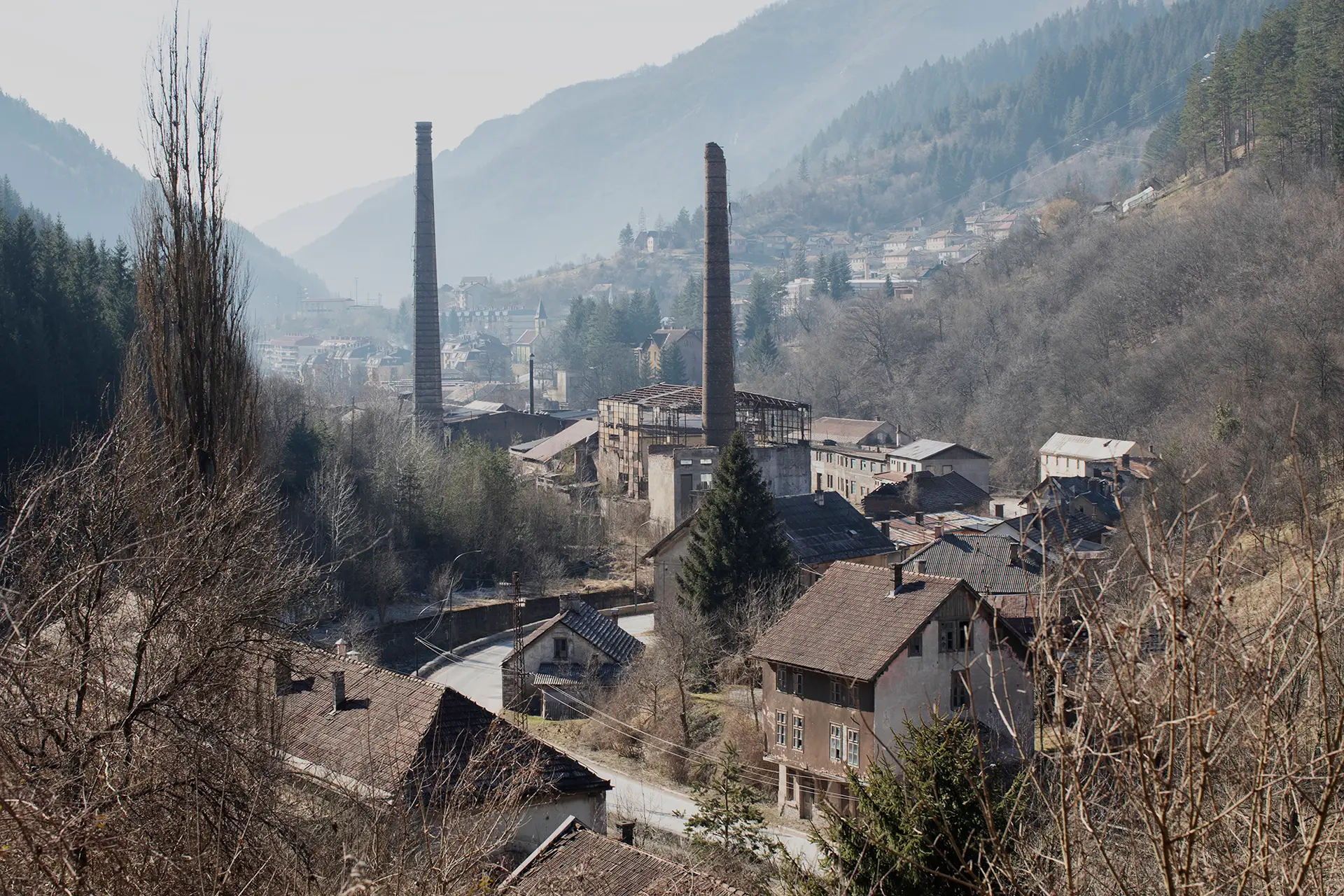
Along the road to Vareš, the old steel plant lies abandoned – a relic of the town’s past as metallurgical center.

A long history of mining

An hour and a half’s drive from Sarajevo, the capital of Bosnia and Herzegovina, Vareš is accessed from a narrow road that winds up the Zvijezda mountain and along the river Stavnja. More than 800 meters above sea level, it sits on a plateau encircled by woods and remnants of the city’s history of mining and metalworks. An abandoned Austro-Hungarian steel plant faces a row of crumbling apartment blocks. It was here that iron from pits surrounding the city was smelted before being transported to other cities for further processing.

Traces of mining – a few tools and miners’ lamps – that date back to the Roman empire have been found here. The first blast furnace fired up in 1891, just a few years after Bosnia and Herzegovina passed from the Ottoman to Austro-Hungarian empire rule in 1878, and the city quickly became a regional center of iron production. Then came the Socialist Federal Republic of Yugoslavia and the city boomed on mining.

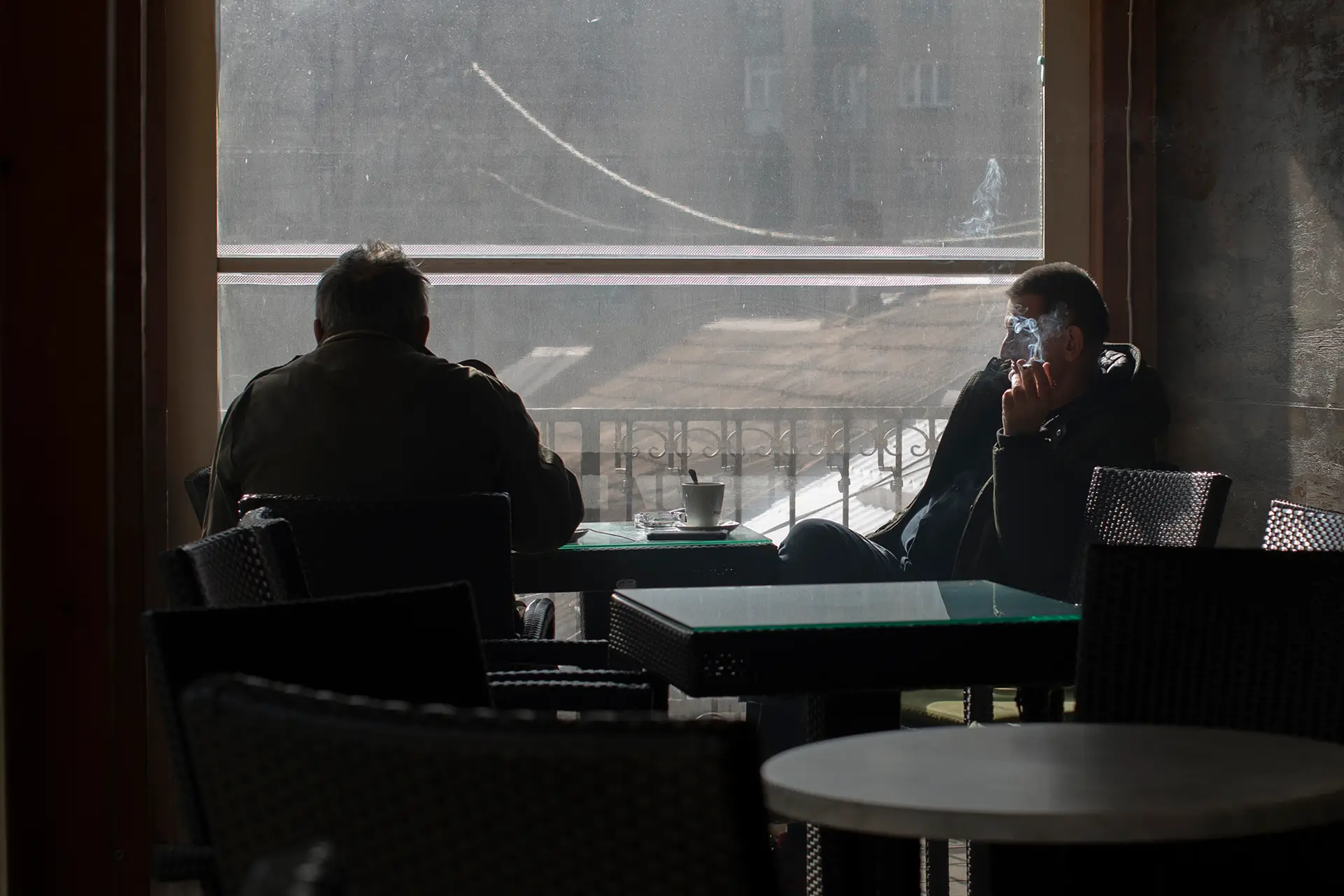
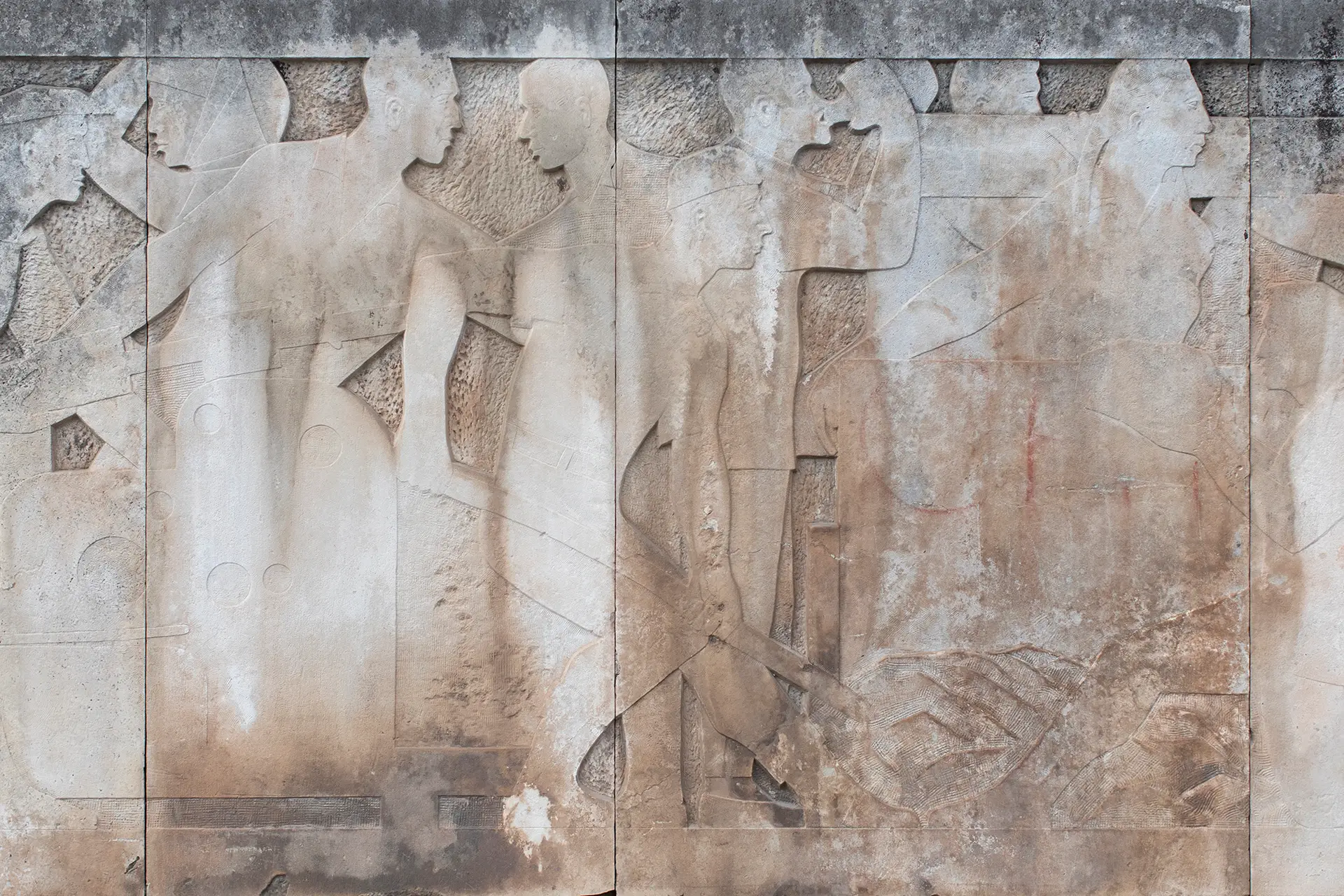
A soviet-style statue of a miner stands tall at the entrance to the city center: a mix of socialist-era buildings and the remnants of more distant times, including the oldest Catholic church in Bosnia and Herzegovina. On the balcony of a cafe that has seen better days, a former mining engineer sips Bosnian coffee. “Mining has been in our history since the very beginning,” he says. But the new mining activities are controversial and he prefers not to be named.

After mining operations shut down, the economy went into decline and many young people left. Adriatic Metals’ arrival was hailed as an opportunity for new investment, jobs and prosperity, but Vareš’ revival has yet to materialize.

“During the 1960s we used to say that in Vareš there were more workers than people,” the ex-engineer recalls. He says he was among the third of the town’s 24,000 inhabitants who were employed by RMKZ. The figures he cites are striking, given that according to data cited by Adriatic Metals, by 2018 the municipality of Vareš had just over 5,000 inhabitants.

It’s little wonder then that when Adriatic Metals revived operations in 2023, the news was welcomed with enthusiasm. Vareš had become one of the poorest cities in the Federation of Bosnia and Herzegovina, a ghost of what it once was. The engineer says young people had been leaving en masse for Sarajevo or abroad looking for jobs. Mining brought hope of a prosperous future. Yet at the end of 2024, there were just 549 people working for Adriatic Metal’s Vareš operations.

“Back then, the goal was to employ as many people as possible, while today it’s being as efficient as possible,” the engineer says, recalling the town’s heyday. Nostalgia for the economic logic of the communist era is common across the Balkans, and especially in Bosnia and Herzegovina. Yet practices at the heart of the Vareš’ current woes began when the mining operations were still under worker-managed enterprise.

A toxic legacy of socialist-era extraction

Ten minutes from the Vareš city center, the Veovača lake is a calm expanse of water surrounded by fir trees. It looks like a beautiful, peaceful corner of nature – but it’s not a place you would want to swim. Like Jezero Nula, Veovača is an artificial lake created by the mining industry. But it isn’t a quarry.

In the 1980s, Energoinvest, one of the most successful, high-profile self-managed Yugoslav companies from Bosnia and Herzegovina, began mining not just iron in Vareš, but also zinc, barite and lead. Energoinvest created the lake to dispose of flotation tailings – waste from the extraction from extraction of minerals that is often toxic.

The tailings lake had been out of action for decades when a small firm obtained permits to conduct geological exploration in Vareš in 2012. When Adriatic Metals acquired the rights in 2017, analysis by the University of Tuzla measured levels of iron and lead in water samples from the Veovača lake “significantly exceeding” limits considered safe for humans. Sediment taken from the bottom of the lake also presented copper, lead, zinc and arsenic exceeding the maximum permitted concentrations. The previous year, a local official had warned that if the lake were to overflow, it could contaminate the Bosna River via its tributary in Stavnja Valley.

Several sites in the area had already been shown to have high levels of heavy metal toxicity and risked further polluting the environment. Although no extensive study has established a direct causal link between the mining-related pollution of the 1980s and human health, a 2009 Local Environmental Action Plan for Vareš prepared by the municipality noted “indications of an increase in certain diseases,” adding that some studies had suggested a possible connection between exposure of cadmium – one of the legacies of Energoinvest’s operations – and lung cancer.

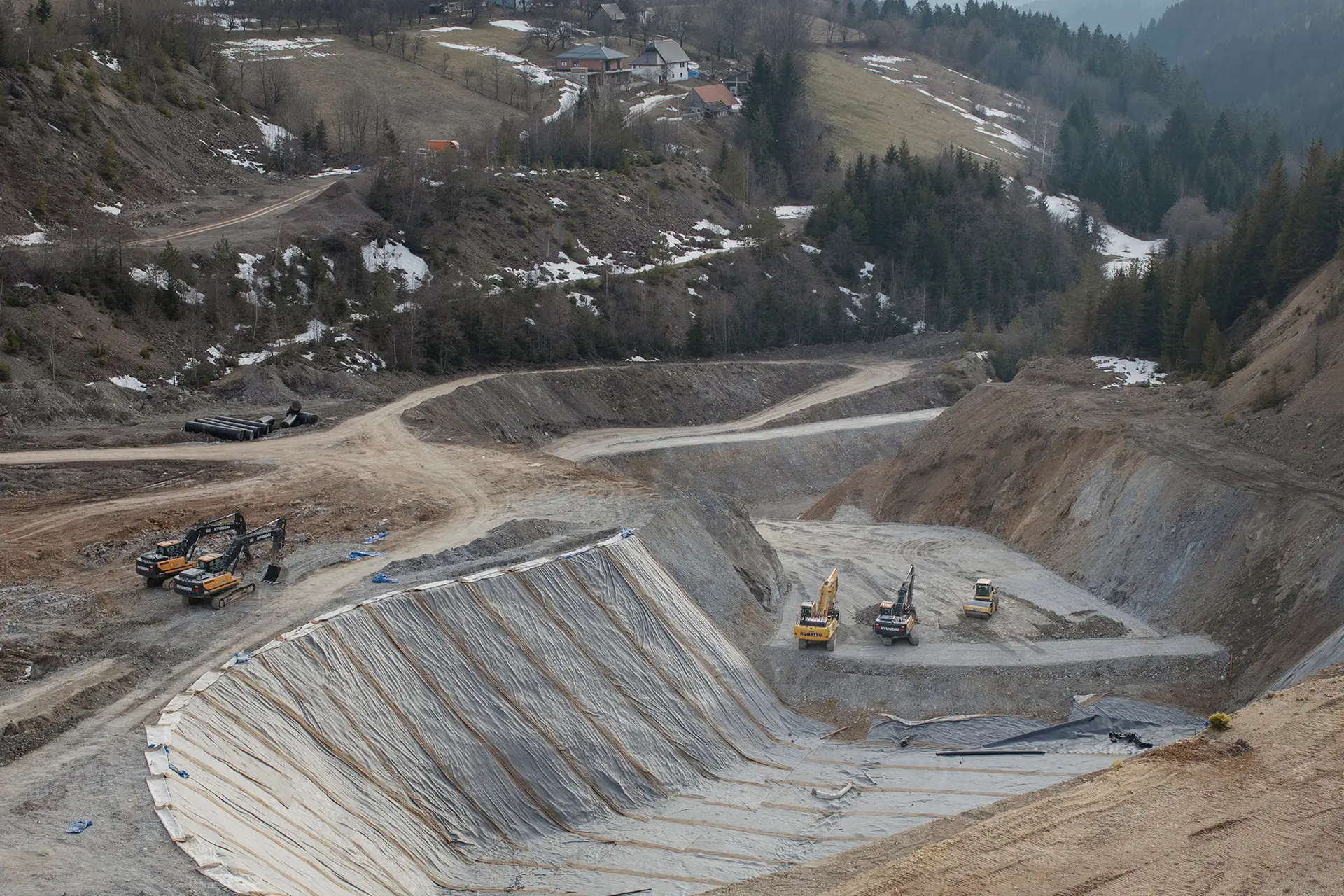
The new tailings pond under construction just outside Pržiči, a few kilometers from Vareš.
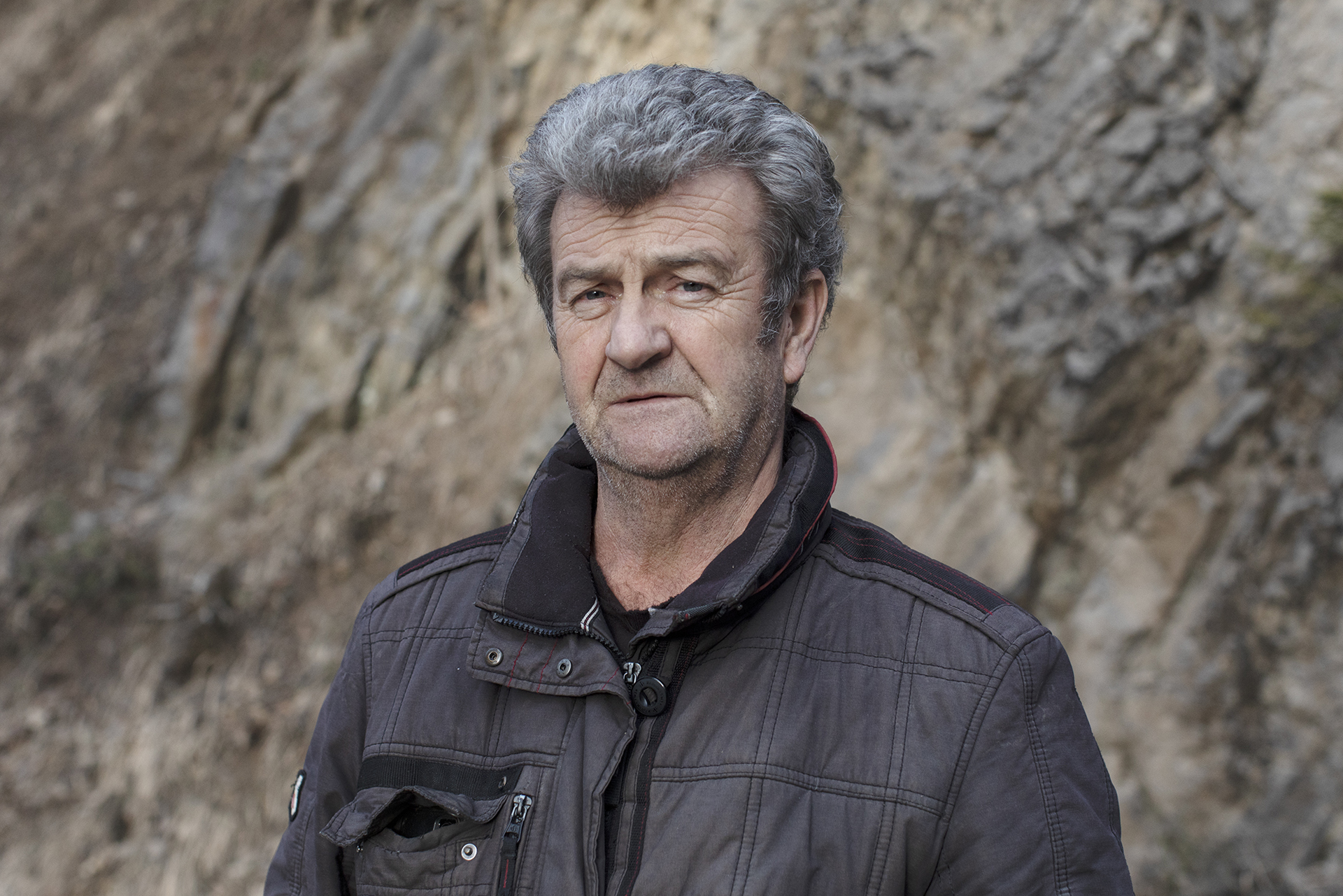
Head of the Pržiči community council, Mario Mrčić advocates for locals worried by the environmental impact of mining operations.

Adriatic’s arrival kicks up dust

Mario Mrčić, president of the local community council, lives just a few minutes’ drive from the polluted lake in Pržiči, a village surrounded by pastures, vegetable gardens and rows of fruit trees. The few residents are mostly pensioners and round up their low monthly state allowance by producing fruit, vegetables and honey.

Like most people in Vareš, Mrčić was positive about Adriatic Metal’s arrival. But since the company revived operations in 2023, there has been a greater impact here than in other areas, he says, and “the local community has not seen any benefit yet.” 

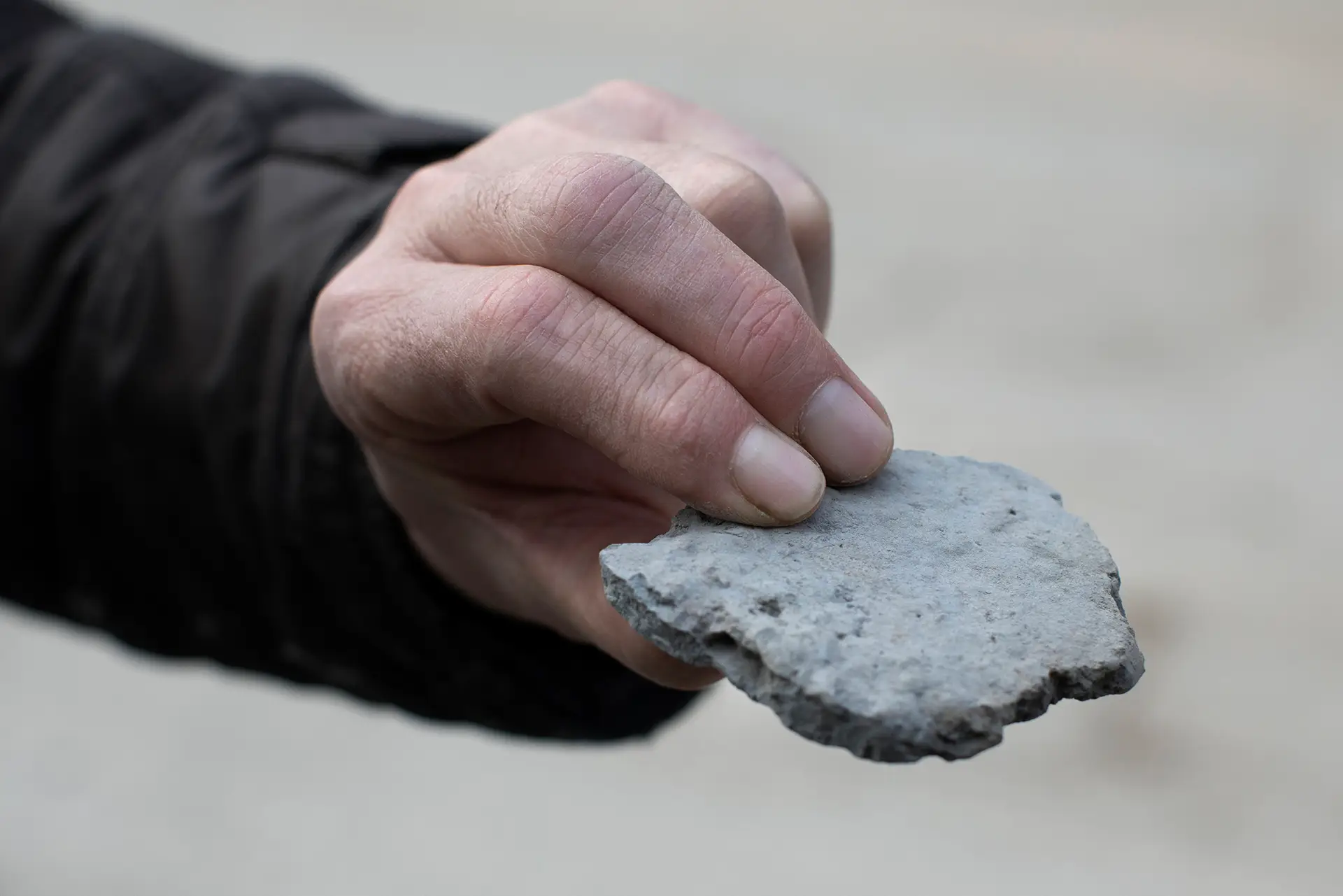
Mrčić says that in early 2025, Adriatic began construction on a new flotation tailings impoundment near Pržiči, not far from the original Energoinvest one. The sight and noise of dozens of trucks transporting tons of waste to the new impoundment didn’t go unnoticed by the villagers. With the trucks came a fine gray dust that settled as a thin film over trees, gardens, windows and doors. Mrčić says the dust originates from the flotation facility and sticks to tires before being distributed through the air as trucks drive through the village. “It’s everywhere and it’s very hard to clean,” he says.

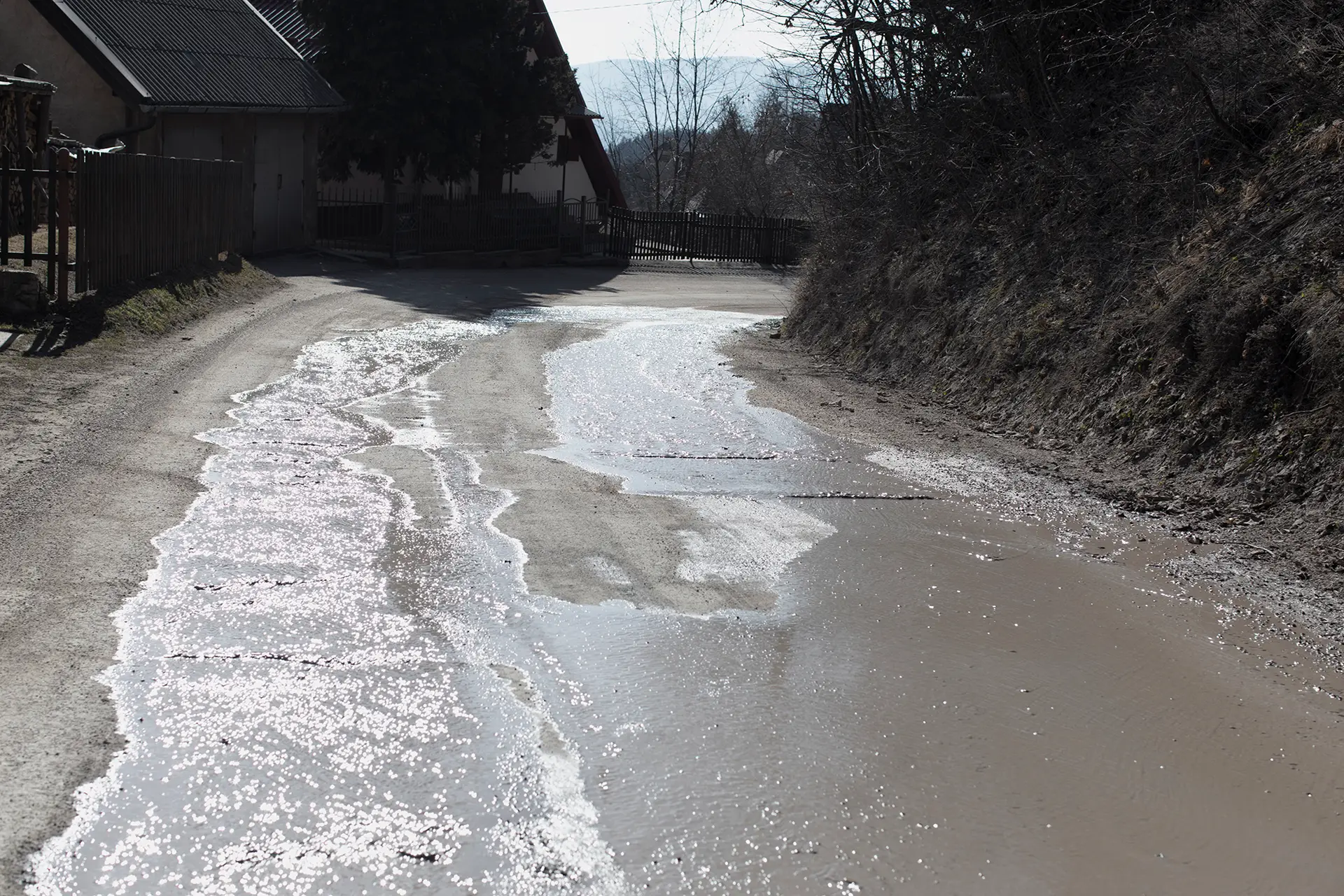
Under pressure from locals over potentially hazardous waste, Adriatic Metals was forced to clean streets its trucks had used to transport material for processing.

The dangers of dust from flotation plants have been well documented. For example, a 2025 study on tailings from copper extraction – which, like the extraction of metals including silver, zinc and lead, involves the release of sulfides – says the dust can, carried by wind, “degrade air quality, harm vegetation, and pose respiratory risks to nearby communities.” Tailings can also contain heavy metals such as exposure, arsenic, lead and mercury, as well as processing chemicals including cyanide.

Acting on behalf of residents worried the dust could be dangerous to their health, the community council asked Adriatic which chemicals were involved in the flotation – but Mrčić says the firm kept its answer technical and vague, offering only that a deactivator and a depressant agent are used in the process.

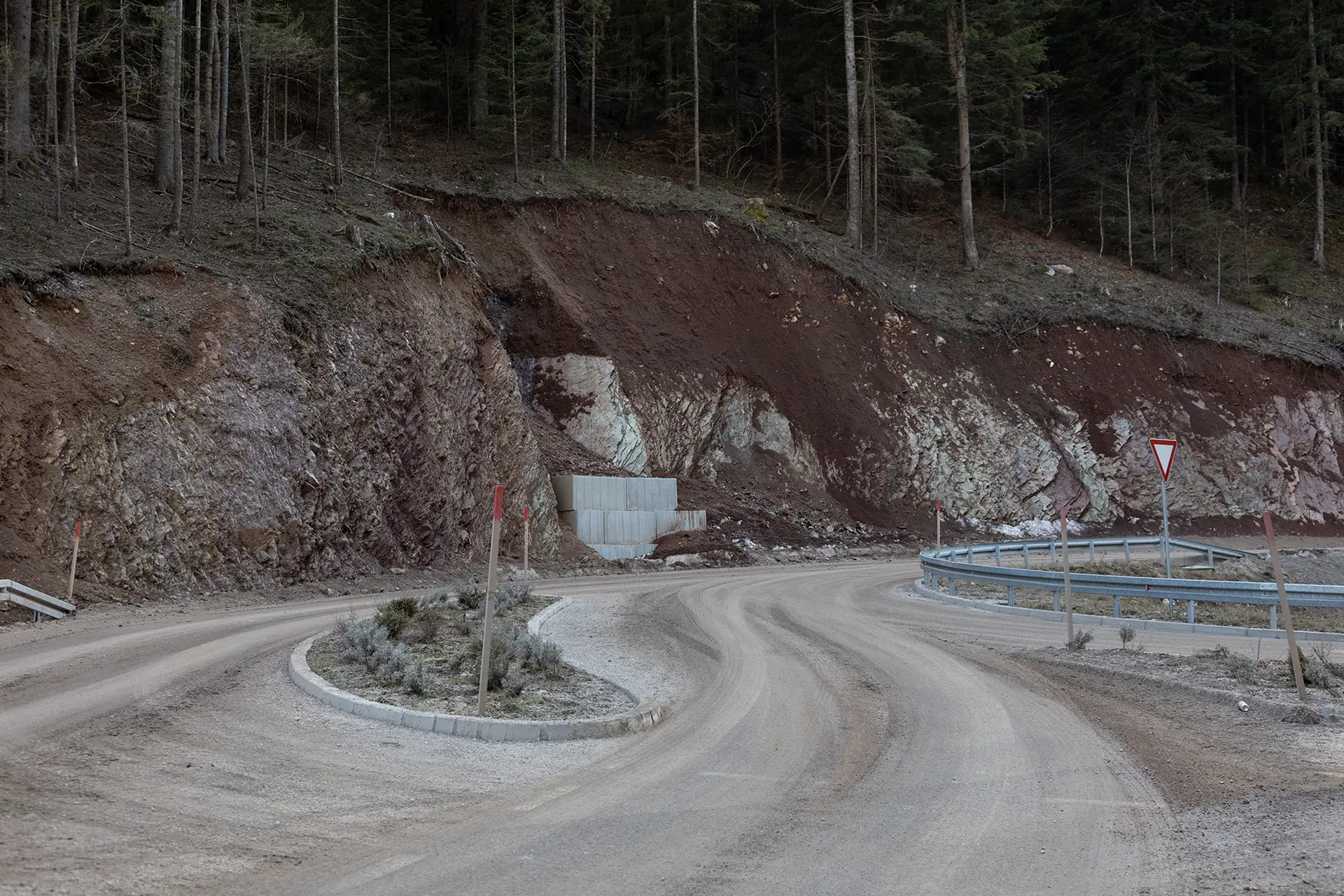
More recently, Adriatic built a new road so trucks don’t pass directly through the village anymore, but just below it. Yet Mrčić says the dust remains a problem. “We wonder if our crops, our fruit, are safe, but also our air, our lifestyle. What about the water?” Mrčić has many questions but says that so far no one has taken responsibility for answering them. “Many people here live off the land. Is it safe to use the fruit, to keep the bees, to sell the honey?” he asks.

Poisoned water, felled forest and aggressive litigation

Ever since Adriatic Metals arrived in Vareš, there have been legal challenges to its environmental impact – and the company hasn’t always taken opposition lightly. According to human rights group Frontline Defenders, Adriatic attempted to sue one of its most outspoken critics – a Hajrija Čobo, a schoolteacher and founder of the activist group Nature Park Tristionica and Boriva – for defamation after she accused it of polluting the Bukovica river, which flows from the Vareš mountains and is the main water source for her home city of Kakanj.

In June 2023, Nature Park Tristionica and Boriva and other activists from Kakanj filed a criminal complaint in June 2023, alleging that Adriatic had illegally dumped mining waste at a site called Red Rocks – as well as that it had been carrying out work without permits and falsifying environmental data. Inspections by the Tourism and Environment Ministry confirmed some of the accusations and called for further sampling to verify what had been dumped at Red Rocks. In February 2024, Čobo reiterated the allegation that Adriatic’s waste at Red Rocks was the source of pollution in the Bukovica river in a complaint submitted to the Council of Europe.

Adriatic’s case against Čobo – which Frontline Defenders said had “characteristics of a strategic lawsuit against public participation (SLAPP)” – was dismissed by the Kakanj Municipal Court in June 2024. Her claims appeared at least partly vindicated that December, when the Canton Court in Mostar annulled permits granted to Adriatic by Bosnia and Herzegovina’s Ministry of Energy, Mining and Industry for two active mining sites on the basis of insufficient assessment of the risk of pollution to the Bukovica water source. Just weeks later, however, the Ministry issued a new exploitation permit, provoking an outcry from environmental activists and a fresh lawsuit from the municipal water company against the ministry, which remains ongoing.

To make way for its trucks between Vareš and Kakanj, Adriatic Metals felled trees that were part of some Europe’s oldest woodlands, including the Trstionica rainforest.

Meanwhile, Adriatic has also been found to have illegally felled forest around Vareš. In June 2025, it received a misdemeanor judgment by the Visoko municipal court, which fined the company around €7,500 for illegally cutting down hundreds of trees. In a separate case in 2024, the Constitutional Court of Bosnia and Herzegovina ruled that a federal government decision allowing the company to use state-owned forest was unconstitutional – yet six months later, the Court told Radio Free Europe that works on the land were ongoing, violating its decision.

Nor has this been the only controversy around how the state has awarded concessions to Adriatic. A 2023 investigation by Bosnian investigative outlet CIN found that back in 2017,  local authorities had awarded concessions in Vareš to Adriatic Metal at a fraction of their proper price – “depriving the budget” of nearly 2.5 million euros.

Azra Berbić, an activist from the Sarajevo-based environmental NGO ACT Foundation says that while corruption has never been claimed in court, “there are a lot of things that are not logical.” Berbić doesn’t blame foreign businesses – whose goal will anyways be to turn a profit, she argues – so much as politicians who “are here to protect the public interest of people,” but don’t do their job.

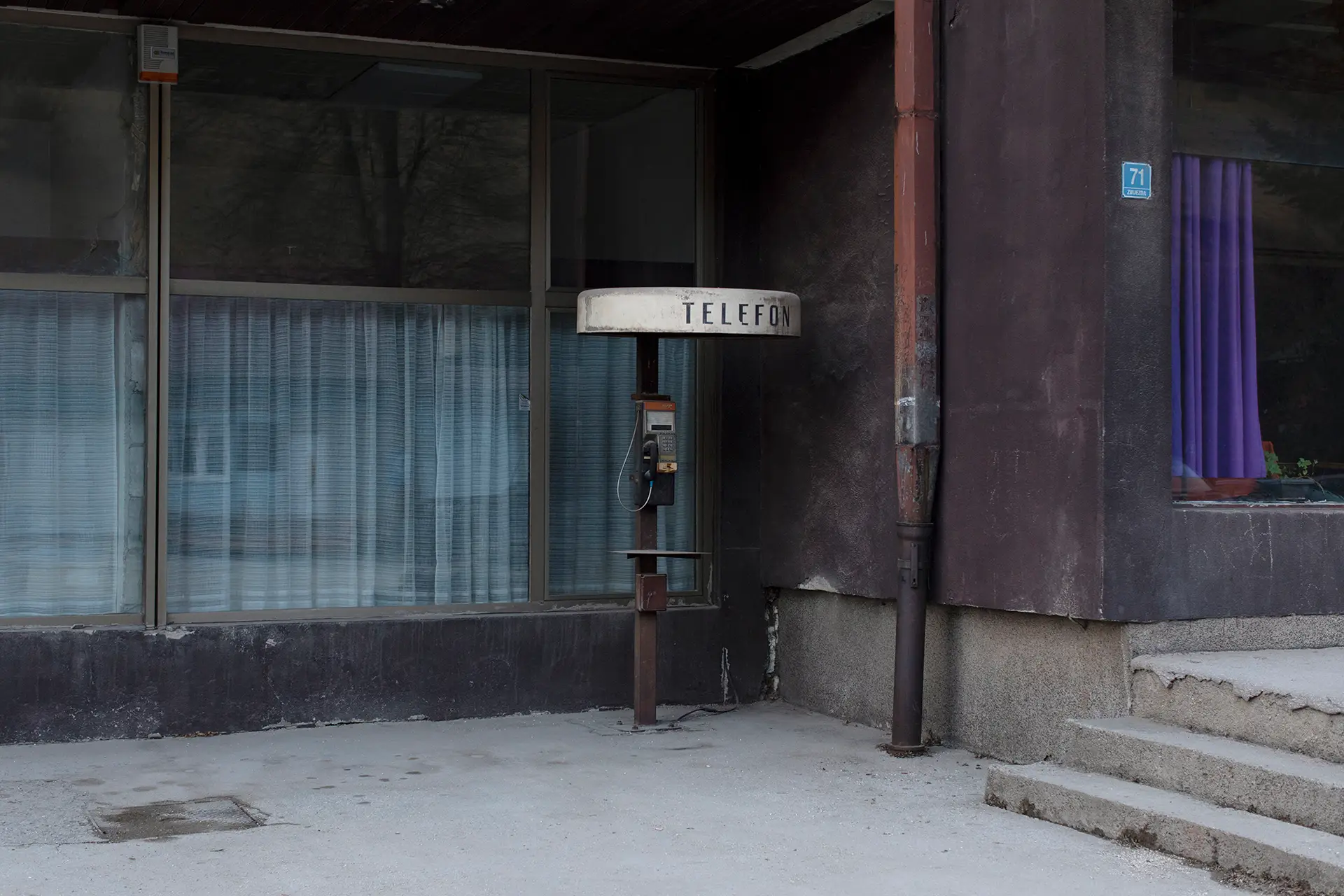
Downtown Vareš is still dotted with shuttered and abandoned shops.

Empty promises and weak legislation

As winter comes to Vareš, Mario Mrčić hopes that rain and humidity will damp down the dust problem, at least temporarily, while the community works on a more permanent solution to protect their air and soils, their lungs and crops.

When Adriatic officially inaugurated the Vareš Project in March 2024 – including a new processing plant to extract metal concentrates from ore – it boasted of proving that “mining operations can be constructed and operated in a sustainable way in Europe, while supporting the economy and improve living standards both locally and nationally.” Yet locals lament rising rent prices and say that besides new roads being built around the mine area, the impact on development has been minimal. “Some things have moved forward,” Mrčić says, “but it’s much below the expectations that we had for this mine.”

Since DPM Metals finalized the acquisition of 100% of shares in Adriatic Metal in September, Adriatic has ceased to exist as an independent company and has been fully absorbed into the Canadian multinational. The name of the Vareš facilities on Google Maps has already been updated with the DPM Metals logo and name. “We’ll have to see what stance the new owner takes,” Mrčić says. He hopes DPM will work with, and in the interests of, Vareš – but for now the community is set to begin testing for heavy metals in fruit and vegetables grown in Pržiči at their own expense.

Earlier this year, the Mining and Energy Ministry introduced a draft law on mining. Its aim, however, is to encourage investment by streamlining administrative procedures, rather than to protect communities or the environment. Azra Berbić says the new law doesn’t oblige mining firms to provide either environmental impact assessments before operations, or financial guarantees to rehabilitate the land afterwards. ACT is lobbying for amendments.

“This is not only about regulating one sector, it is about defending the long-term economic stability of the Federation, safeguarding our rivers, forests and communities, and ensuring that the people of this country – not foreign investors – remain the true beneficiaries of our natural resources,” Berbić says.

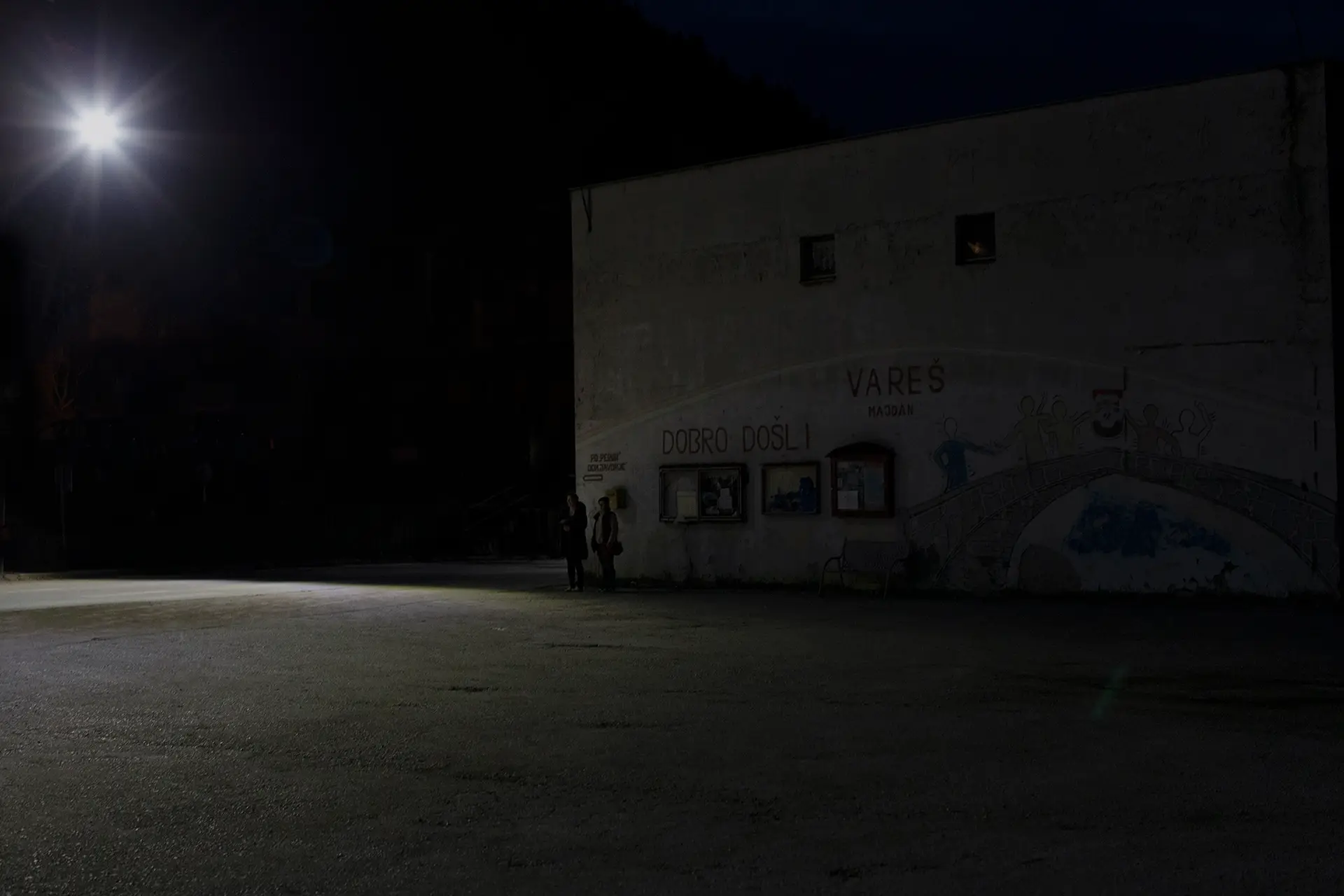
Waiting for the bus at Vareš’ edge.

Mines of the socialist era may not have been more ecologically sound. But under Yugoslavia’s unique model of self-management, workers had at least a say in how they were run and profits could be invested in social housing and welfare – meaning the community in turn felt invested in the mine. 21st century multinationals have done little to make Vareš feel that today’s mine is operating in their interests.

For the veteran engineer, the difference is stark. RKMZ, the backbone Vareš’ economy for decades, had smelters in other cities in country – the biggest in Zenica, 60 kilometers west of the mine – and the complete processing cycle of happened within the country. “Whatever was extracted from the ground back then was processed nearby, in the metallurgical plants of Bosnia and Herzegovina. Today, concentrates from Vareš are exported for smelting in Europe and beyond, which, he says, “is way less remunerative.”

“In five years’ time, we’ll check the economy and we’ll check people’s health – then we’ll see what the effects of the new mine will be,” he adds diplomatically.

About the authors:

Tommaso Siviero is an Italian journalist based in Bosnia and Herzegovina. He reports on migration for the Balkan Investigative Reporting Network and collaborates with several Italian media outlets covering developments across the Balkans.

Camilla de Maffeiwork explores the narrative possibilities of image and text, using a photographic register that oscillates between anthropological observation and interpretation. Since 2009, she has focused on the Balkans, where she delves into the relationship between territory, landscape, identity, memory and geopolitics.

Help us fight for a more inclusive journalism