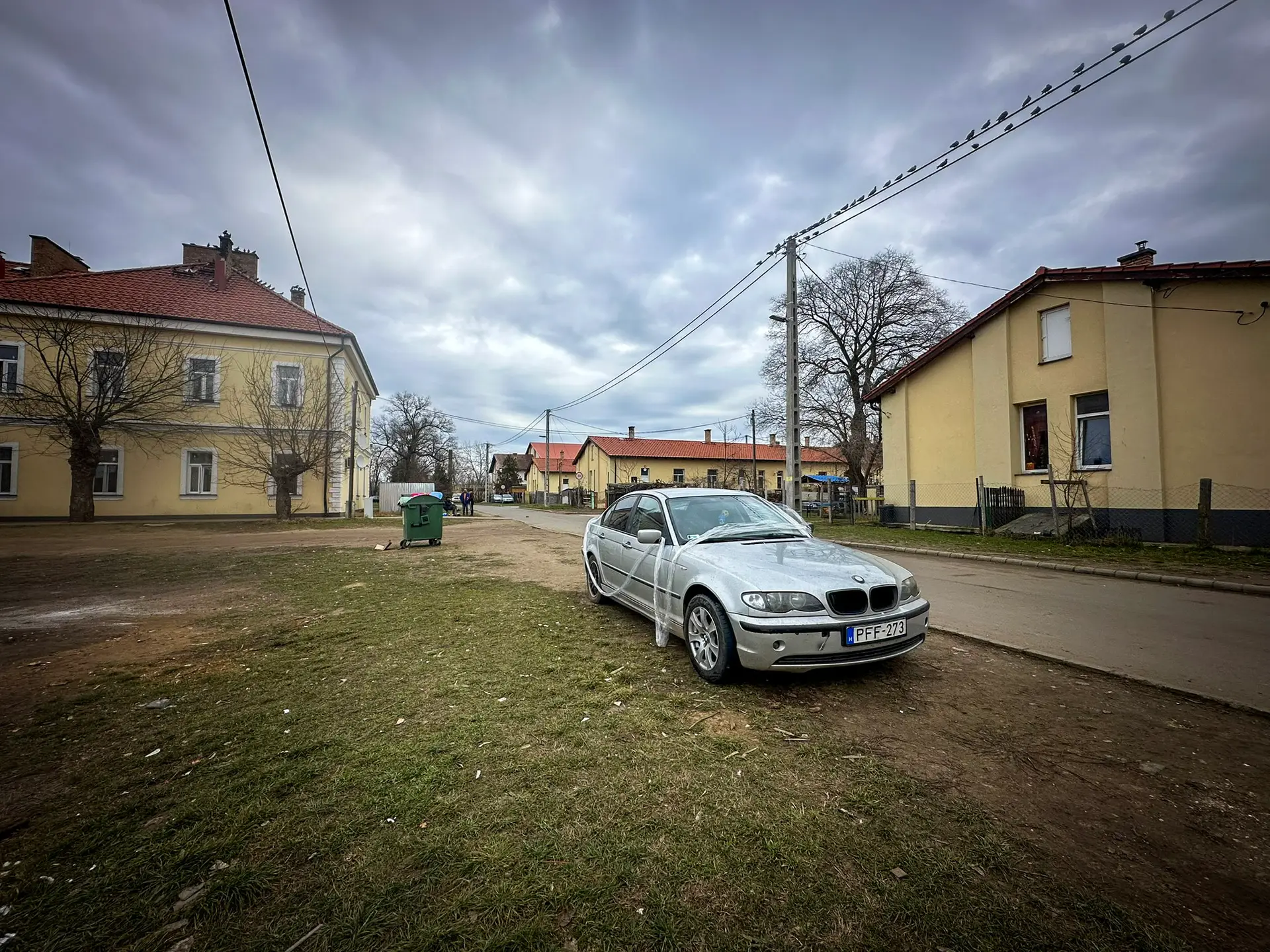
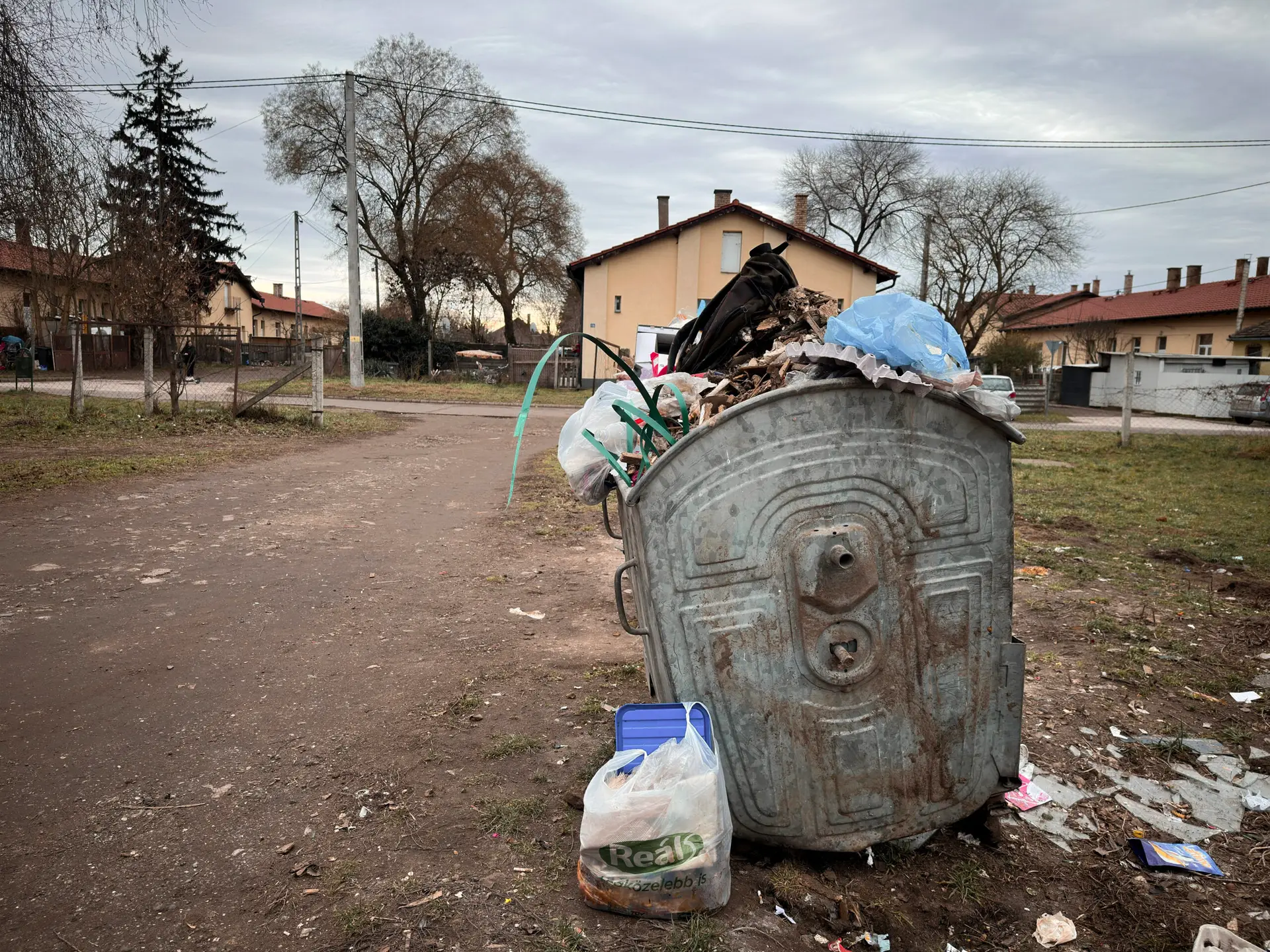
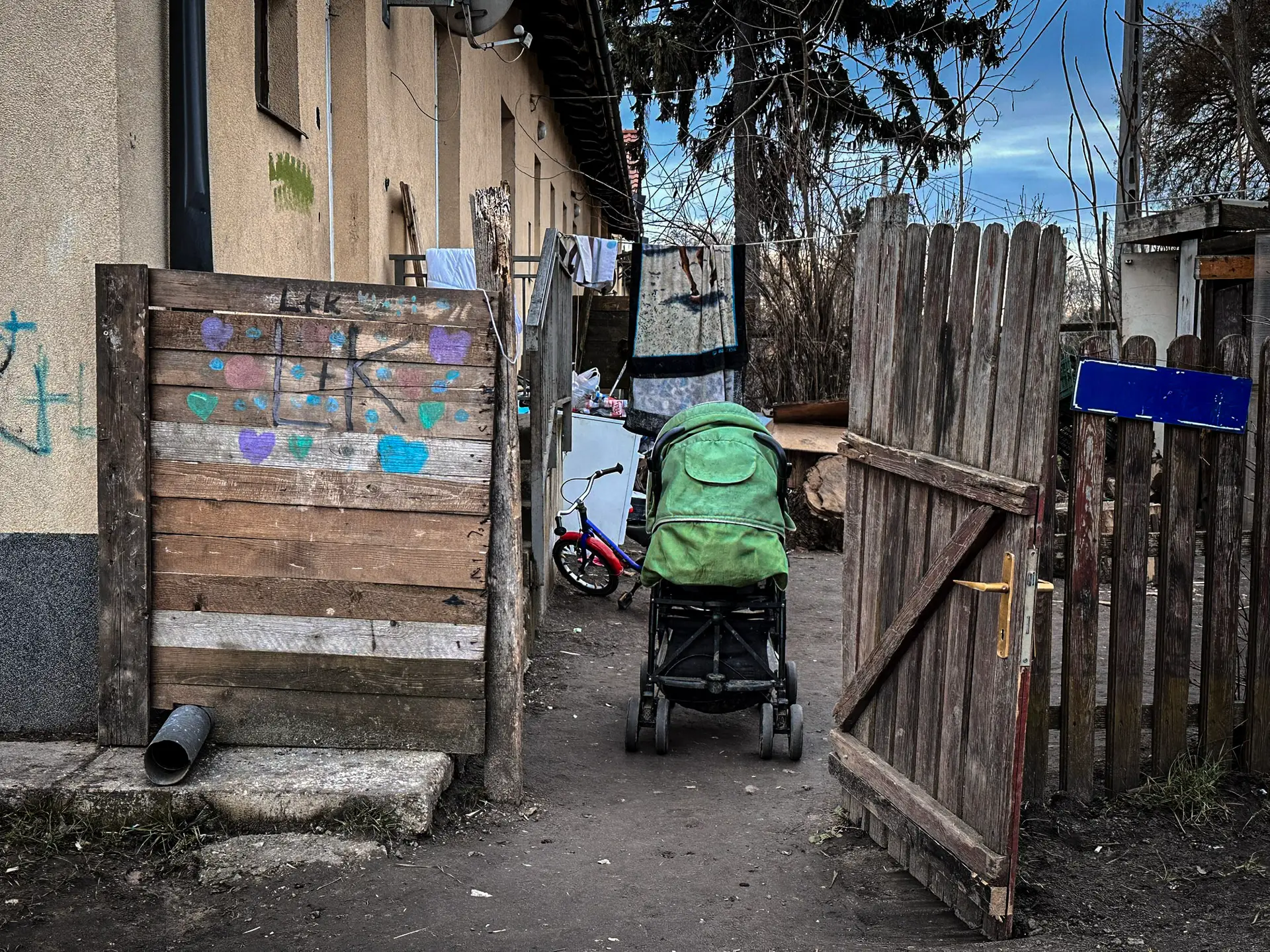
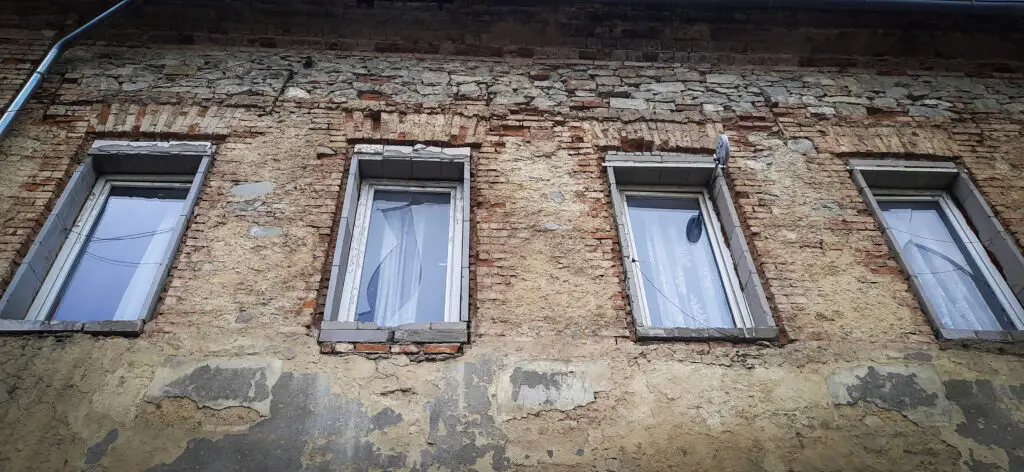
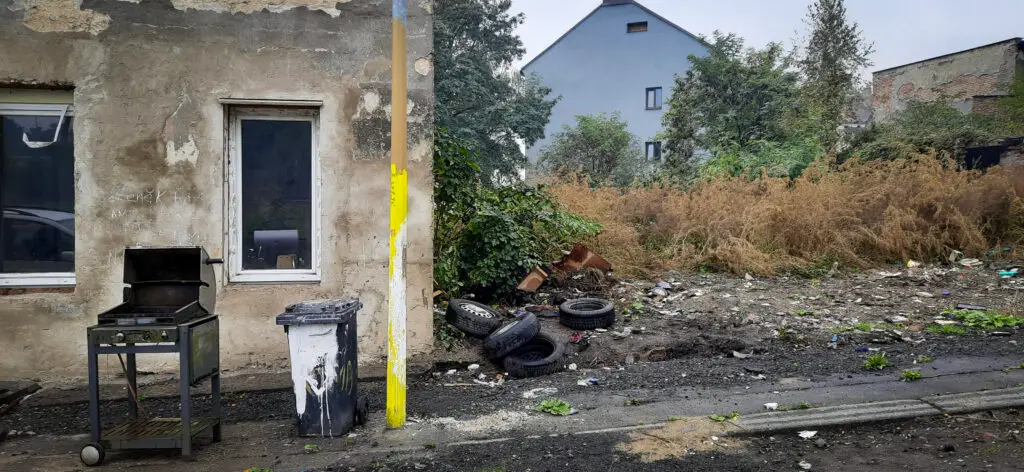
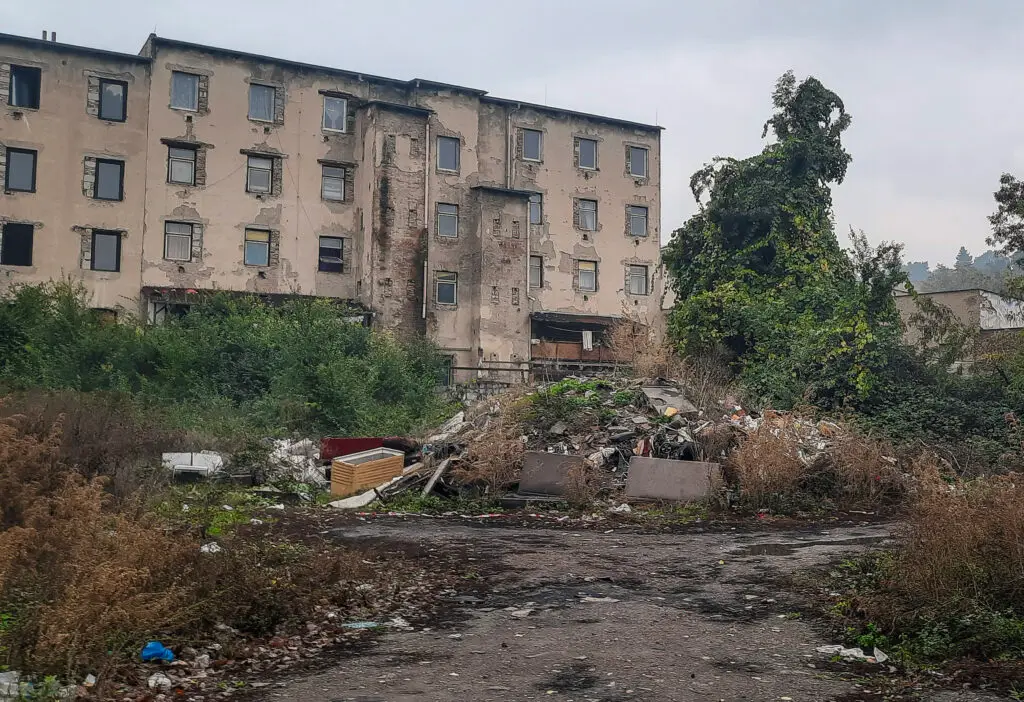
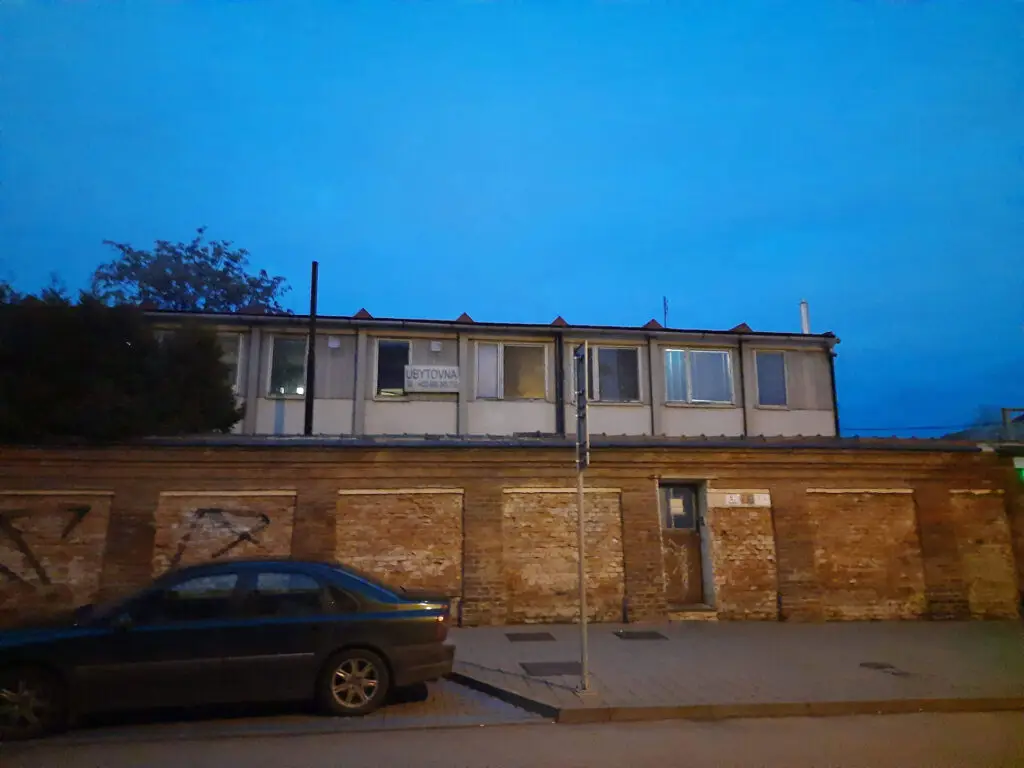
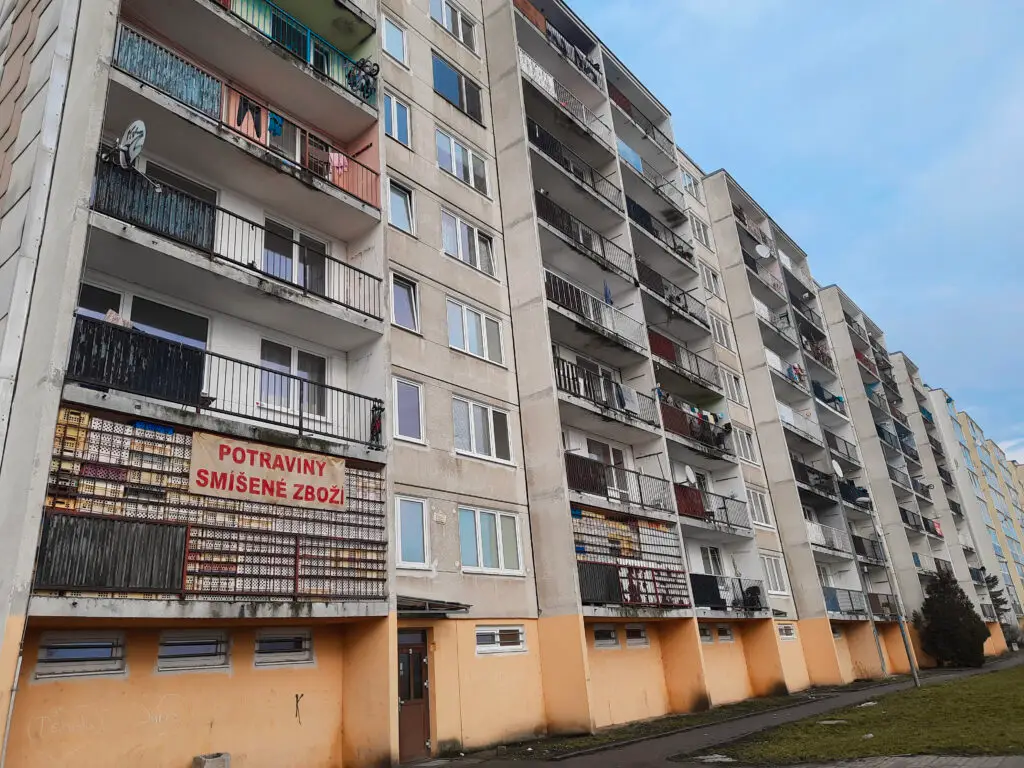
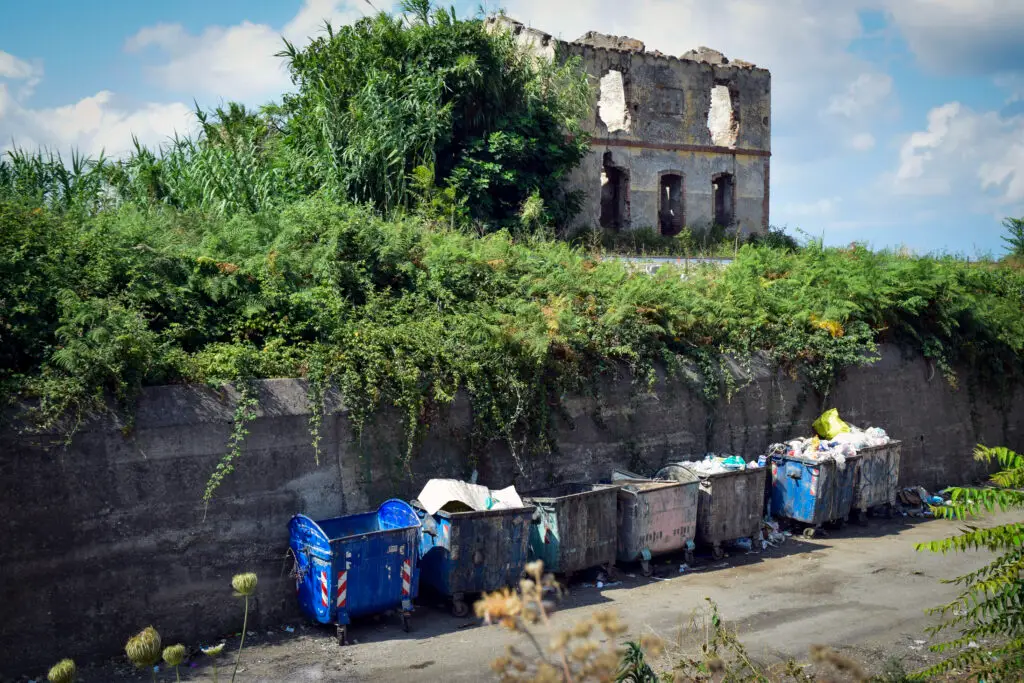
Huszártelep, one of Hungary’s biggest Roma settlements, is separated from the city of Nyíregyháza by a railway line. Stray dogs stalk through piles of rubbish and hostile stares suggest non-residents are easily spotted, and not necessarily welcome. It’s hard to imagine that just a few years ago, millions of euros in EU funding were spent renovating Huszártelep’s dilapidated buildings.
From the outside, they appear in a poor state of repair. Inside, Józsefné Láda’s apartment is at the end of a dark, dirty stairwell. Her home is tidy but the walls are spotted with mold.
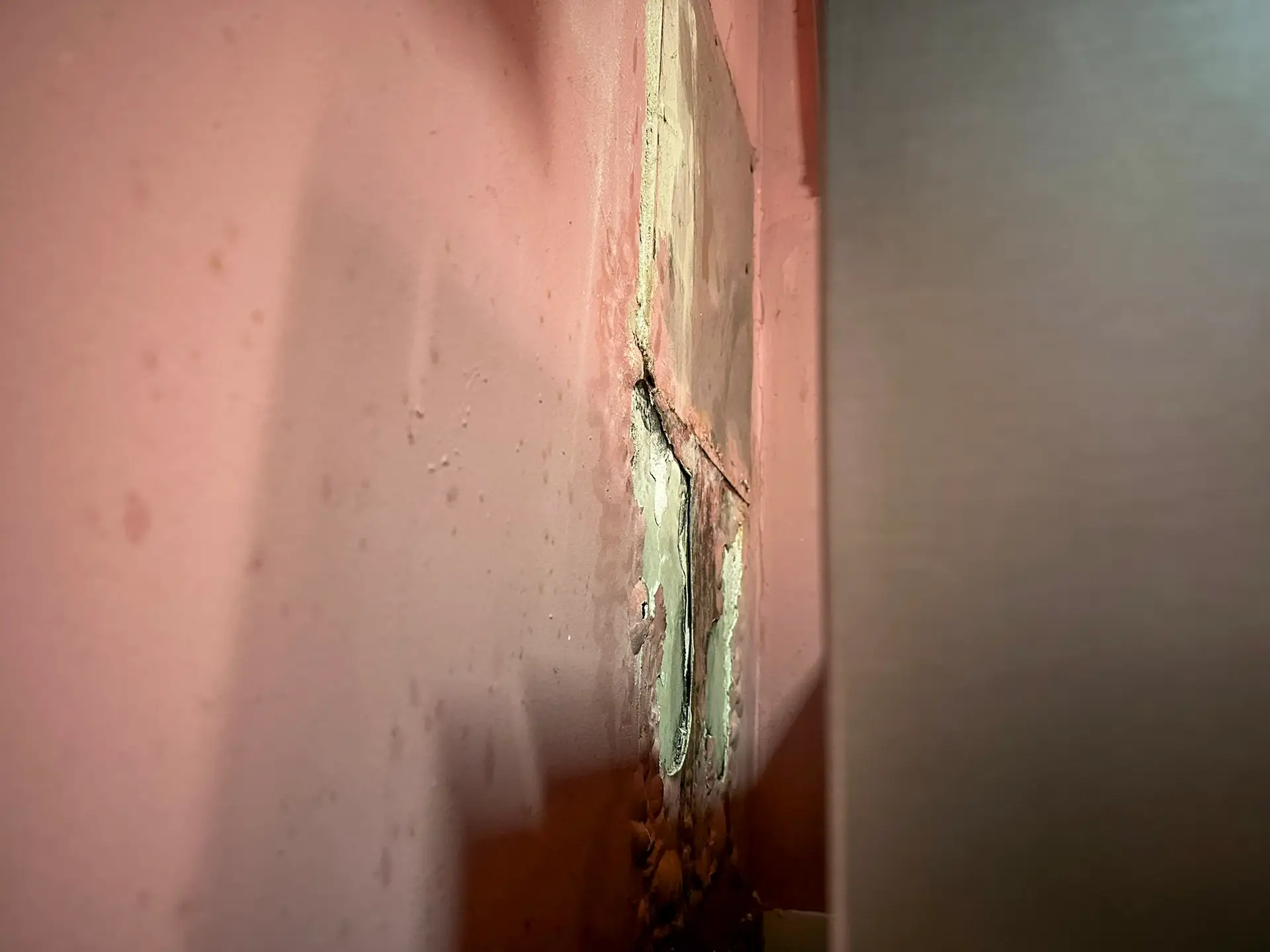
Láda’s daughter points to blackened pipes running along the ceiling in front of the bathroom. “I cleaned them last week,” she says, just as she does every week, “because the mold is so thick.” From time to time rats and cockroaches can be spotted, too, but mold is the biggest concern, particularly as Láda’s husband suffers from lung disease. He’s supposed to have an oxygen tank, but because the apartment is heated with a wood-burning stove it’s not safe to use it here.
Five years ago, the couple and their eight children were living in Keleti, another run-down Roma-dominated neighborhood in Nyíregyháza. When the Keleti slum was demolished as part of a 4.4-million-euro EU-funded project that was supposed to improve the lives of Roma people, they had to find a new home.
The family had enough savings to put down a deposit and begin paying rent, but no private landlord would take them as tenants. In any case, the municipality had other plans: they were offered the flat in Huszártelep and told it was that or the street, Láda says. “They said that if we didn’t accept the flat, child protection services would come and take our children away.” Other Roma families displaced from Keleti told us stories of similar threats.
The EU funds behind the project were supposed to help disadvantaged families, promote social integration and provide Roma people with equal access to education, social services and healthcare. But none of these goals were achieved, according to local civil society organizations. More than 60 families were forced to move from Keleti to Huszártelep, which are both referred to in planning documents as “segregated areas”. Huszártelep is now home to some 2,000 Roma people.
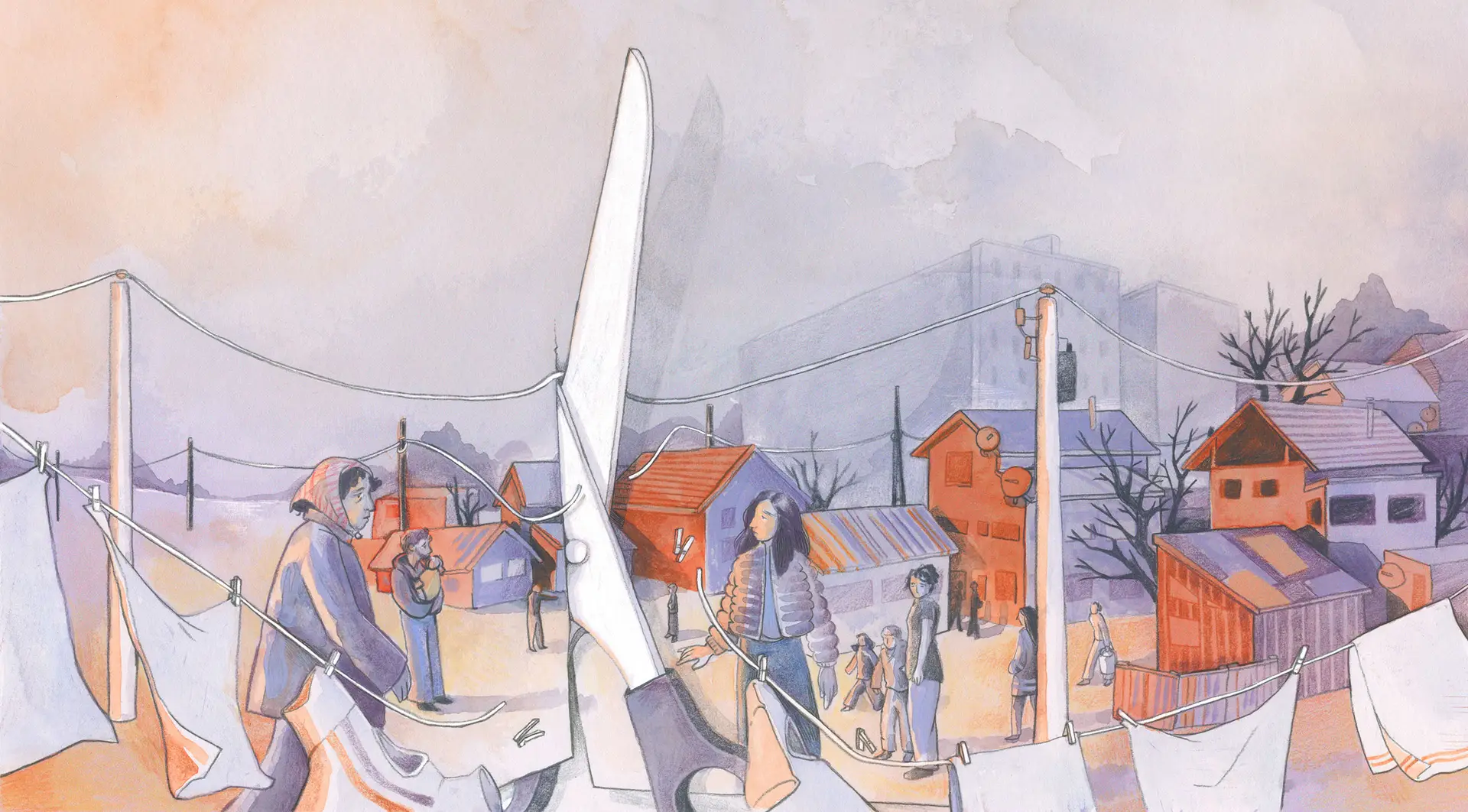
Most of Keleti’s social housing was beyond repair, but it was at least close to the city center, and Láda says she felt safe there. Here in Huszártelep, she doesn’t allow the children to play in the yard unsupervised and is worried about break-ins and drugs. “There are many dealers, and the police do nothing. Prostitution is also flourishing, with lots of people getting into it to get money for increasingly popular and harmful designer drugs,” Láda says. She’s even had laundry stolen from her clothesline.
Thanks to an intervention led by László Glonczi, president of National Association of Disadvantaged Families, and a resident of Huszártelep, the European Commission investigated the project in Nyíregyháza. After a two-year examination, it concluded that the EU funds involved hadn’t just failed to reduce segregation, but had been spent on increasing it, in terms of both housing and education. The EU withdrew support for the project. But Nyíregyháza isn’t an isolated case. According to the EU Funds for Fundamental Rights 2025 report, over 1.1 billion euros across 63 projects intended to promote Roma inclusion have been misused.
At an estimated 6.2 million people, Roma are the largest ethnic minority group in the EU and, according to the EU, “mostly marginalised”. Living on the fringes of society – often in informal settlements, camps or grim dormitories – they routinely face racism and exclusion from mainstream work and housing. From 2014 to 2020, the EU allocated over 61 billion euros to support social participation, including tens of billions to Italy, Bulgaria, Czechia and Hungary – member states seen as facing among the greatest challenges to social inclusion of Roma communities – through the European Social Fund (ESF) and the European Regional Development Fund (ERDF).
However, our cross-border investigation found that in each of these countries, EU-funded projects had failed to improve conditions for Roma communities – and in some cases had made them worse.
All four countries have adopted the EU Roma Strategic Framework 2020-2030, which focuses on housing for Roma as one of seven key areas of focus, alongside equality, inclusion, participation, education, employment and health. Yet families like Józsefné Láda’s are being moved to inadequate and segregated accommodation, which make it still harder to access jobs and education. And some EU funds have been spent on projects that seem deliberately designed to incite anti-Roma racism.
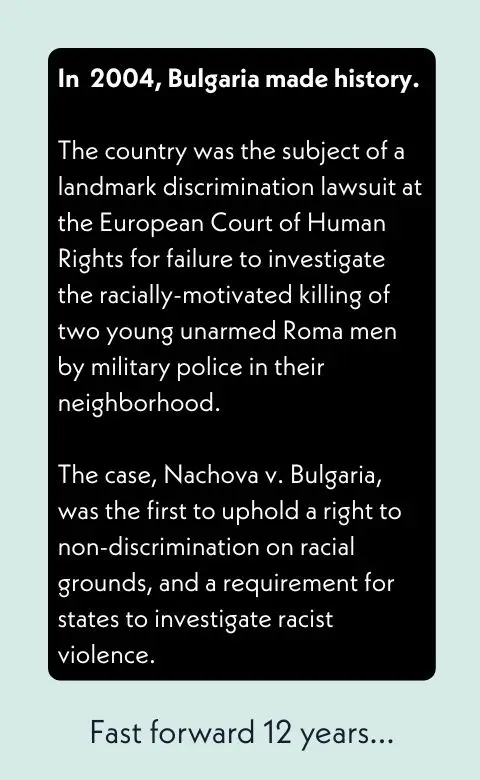
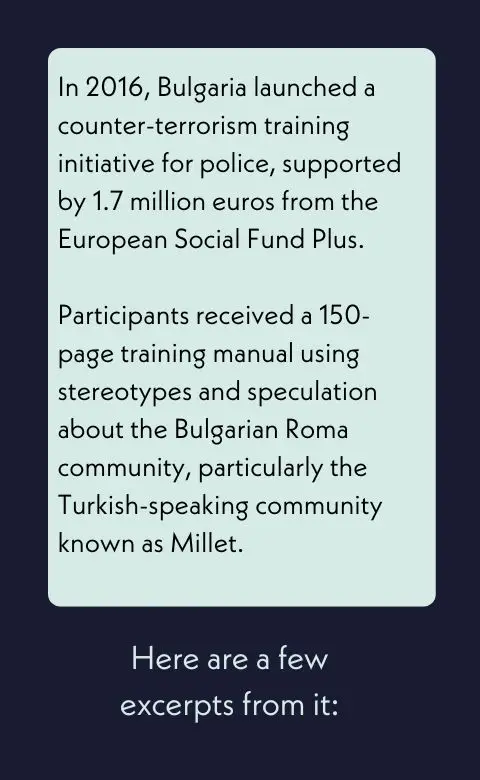
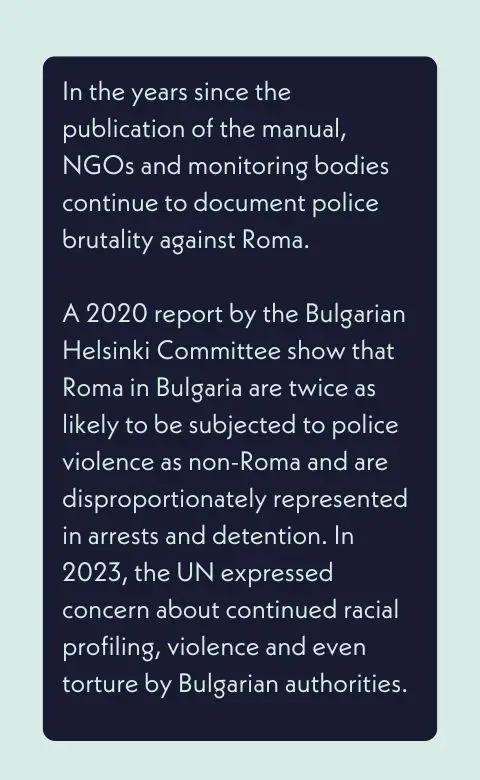
In 2016, Bulgaria launched a “counter-radicalization” initiative to train 480 police, supported by more than €1.7 million in EU funds channeled through the European Social Fund Plus (ESF+). Materials produced for the training include statements about the Roma community that amount to “institutionalized ethnic profiling against one of Europe’s most marginalized groups,” according to Ognyan Isaev of the Roma-focused Trust for Social Achievement.
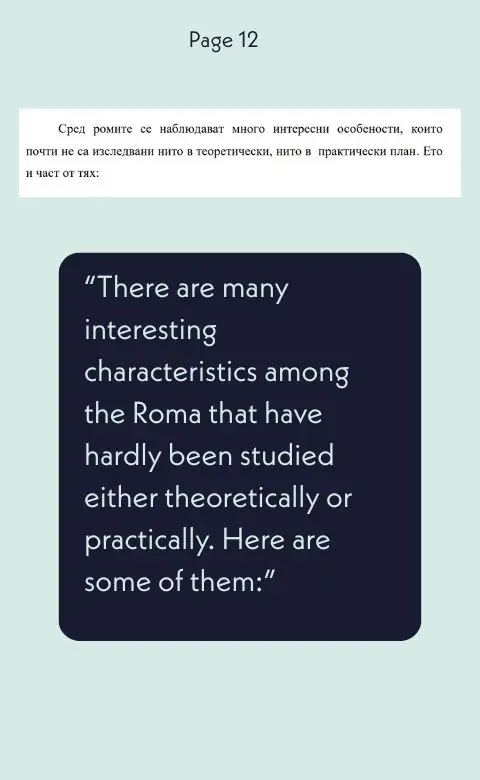
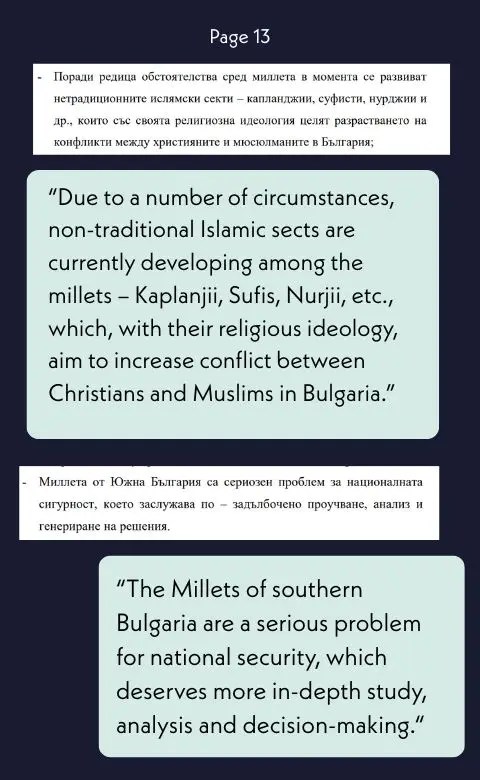
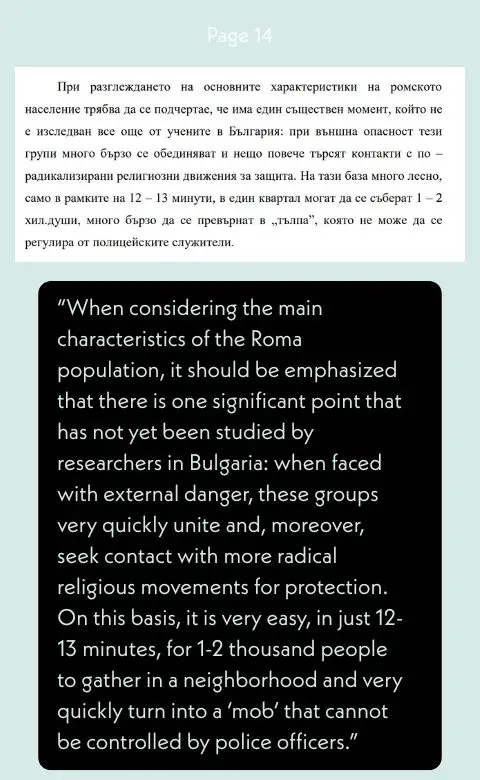
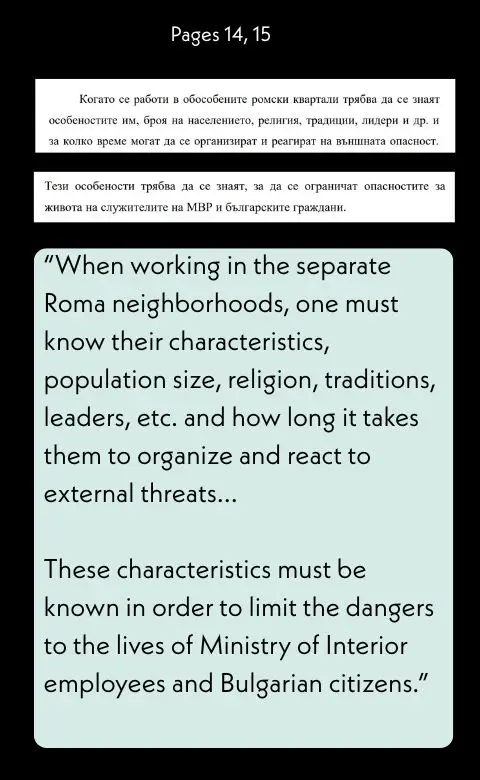
A 150-page handbook distributed to participants in the training repeatedly equates cultural traits, poverty or religion with public disorder and extremism. Referring to Turkish-speaking Roma, it states: “The Millet from Southern Bulgaria are a serious problem for national security…” and “Among the Millet, non-traditional Islamic sects are spreading … whose ideology aims to escalate conflict between Christians and Muslims in Bulgaria.” Elsewhere, the handbook claims that one Roma neighborhood could “mobilize a crowd of 1,000-2,000 people,” in just “12-13 minutes,” presenting a threat to national security. “Calling this discrimination is putting it mildly,” Isaev says. “This project is an example where discrimination turns into official initiatives or policy at the state level. This is very dangerous.”
Initially, the project proposal didn’t specify training focused on a particular ethnic or religious group, but on ethnic minorities in general. But by 2019, the Bulgarian Interior Ministry decided that staff should undergo training on “early recognition of signs of radicalization with a focus on the Roma community.” The EU grant agreement was amended to include a module on “radicalization among Roma communities.” According to the agreement – which we obtained through a Freedom of Information Act (FOIA) request – the decision was based on a study by TREND, a social research agency based in Sofia. TREND targeted minority groups with questions such as: “Do you personally feel any injustice, regardless of what is being done to you?” and statements such as “Sometimes violence is the only way to change the world or society for the better.”
Liliya Makaveeva, director of INTEGRO, one of the largest NGOs working with the Roma community in Bulgaria, told us that “one of the first things police officers should be trained in is how to respect the human rights of Roma and how to understand their ethnic and cultural diversity.” Instead, by institutionalizing all-too-common prejudices, the project not only puts Roma people at risk from the police, but has wider implications for how they are viewed by the rest of society, Isaev says. And it is precisely these defamatory and derogatory narratives that prevent Roma from finding suitable employment and homes to rent.
Mid-conversation, Iveta* seems to ascend into a quiet oblivion, staring out of her kitchen window at neighboring buildings: their broken windows frame dark, abandoned space inside. Iveta’s 12-year-old daughter brings her back with a tap on the shoulder – a pan of potatoes is boiling over on the gas stove. Iveta gets up from the dining table, turns off the gas, wipes her hands on her dress and apologizes: “I’m a bit off today. We don’t have electricity again.”
Iveta, her husband and their five children are among the estimated 250,000 to 300,000 Roma in Czechia compelled to live in what the state calls “socially excluded localities.” Their three-room apartment is in one of around ten functional buildings in Janov, a large peripheral area of the town of Litvínov where most of their neighbors are also of Roma ethnicity. The monthly rent is around 1,000 euros. “It’s a high amount – especially when they often cut off the electricity, water supply or heating abruptly,” Iveta says. “Also, we live in isolation, cut off from opportunities. There is nothing here – no work, no basic facilities such as pharmacies or supermarkets.” She will sometimes share a taxi with up to five neighbors to buy groceries. “I used to work in a supermarket before moving here,” she says as she brushes her youngest daughter’s hair. “But here no one is willing to employ me. The only jobs available are to work as a cleaner, many times with no contract.”
For Iveta, this long-term exclusion isn’t just a matter of material deprivation but takes a growing toll on her mental health. “I have been living here for over 10 years now, but I am embarrassed to step out. I have forgotten how to communicate with people outside the locality,” she says.
Iveta and her husband Mirek* would have preferred to move to Prague, 115 kilometers away, or another big city, but Iveta says that when estate agents realized they were Roma, they demanded extortionate upfront fees. Mirek works irregular jobs, mainly in construction. “There are no fixed contracts or salaries, which means a huge risk,” he says.
“For instance, I did not get paid at all for my last job, but I have no means to hold the employer accountable.”
Dieu Thuy Nguyen of the government Department of National Minorities and Roma Affairs says that in the Czech Republic’s largely private housing sector, discrimination against Roma is rife: “Private owners can deny housing for Roma based on stereotypes or prejudices.” Those who do rent to Roma families often hike up rents in isolated areas like Janov.
"...There is a deep-rooted level of racism where often I am not hired because of my Roma identity and my skin color.”
Tomaš
Tomaš* has lived with his wife in the Pohoda dormitory in Brno, Czechia’s second-largest city, for the last five years. They pay a monthly rent of around 490 euros for a room that he says has had a broken ceiling for the last six months and is infested with bed bugs and fleas. “At least my wife and I have a roof over my head. But I want to work and improve my life, I want to be seen and treated like others,” Tomaš says. Like Mirek, he works odd jobs in construction. “Getting food on the table every night is a struggle … First of all, there is a lack of job opportunities. Secondly, there is a deep-rooted level of racism where often I am not hired because of my Roma identity and my skin color.”
In the 2014-2020 funding period, the EU allocated €22 billion to the Czech Republic for Roma integration, to promote social inclusion and combat poverty. But Jan Husák, a Roma activist and social worker, says neither Czechia nor the EU has allocated funds specifically to housing for Roma. Information we obtained through FOIA requests to five EU bodies supports Husák’s claim. The European Commission Directorate-General for Regional and Urban Policy said that although 137.5 million euros of ERDF resources were allocated “for housing infrastructure interventions” in Czechia, the country “did not target [ERDF] housing investments specially to Roma communities in 2014-2020.” In another response to a FOIA request filed to the Ministry of Regional Development (MMR), Czech Republic, the Ministry confirmed the money was not spent on housing projects for Roma. The MMR said, “In 2014-20, the EU did not allocate funds to the MMR to provide housing specifically for people of Roma ethnicity. There is no centralised database on how much money all municipalities spend on solving housing shortage. Similarly, the MMR does not have a complete overview of the expenditures of other ‘national authorities’ on housing.”
There is also a gap between allocation of funds and implementation on the ground. “The problem is not an absolute absence of monitoring, but rather the lack of precise and consistent impact assessment from the EU and national authorities,” Husák says. And where member states conduct their own evaluations, Roma people aren’t consulted, their views and experiences ignored: “This lack of ground-level evaluation makes it difficult to measure the impact of funds.”
Throughout our reporting across four different EU countries, both the absence of accountability through assessment of the impact of EU-funded projects, and the exclusion of Roma people’s views and lived experiences came up again and again. “If EU funds are dedicated to providing inclusive housing for Roma, why are we still forced to live in filthy dormitories or in isolated areas in the outskirts?” Tomaš asks. “How do you then expect our future children to study and achieve a successful career in these conditions? It’s a vicious cycle.”
Tomaš and his wife receive state aid to help with the rent. This support might keep some Roma families like Tomaš’ off the streets, but it also helps prop up a sector of the private rental market that profits from Roma people’s poverty and social exclusion. Meanwhile, countless civil associations and community organizations leading effective initiatives to fight for their rights and social inclusion, including those run by Roma people themselves, struggle to access funds to house their communities.
In Ústí nad Labem and Ostrava, where Roma children suffer from some of the country’s worst educational segregation, Esmerelda* works to connect women facing violence and discrimination to a network of NGOs and social workers. Having experienced anti-Roma racism firsthand, and through her volunteer work, she is tired of hearing empty promises from the Czech government and European institutions. “If funds have been allotted to be utilized for our social inclusion, then why are we still socially excluded in the first place? Where is the money going?” Esmerelda asks.
Lamezia Terme’s municipal elections took place in May, but on a muggy July afternoon, campaign posters still cling to the Ponte degli Zingari (‘Bridge of Gypsies’). Two young men smoking cigarettes descend from the direction of Scordovillo, Italy’s largest Roma encampment and pass under the bridge. They pause, perhaps in relief from the stifling heat.
Before moving on, one rips down a poster of Pasquale Torcaso, a candidate for Calabria Azzurra, a member of Italy’s far-right coalition, which rode a wave of anti-Roma sentiment in the recent elections, plastering the slogan “against decay” on the walls of Roma camps – not-so-subtly linking Roma communities to urban decline.
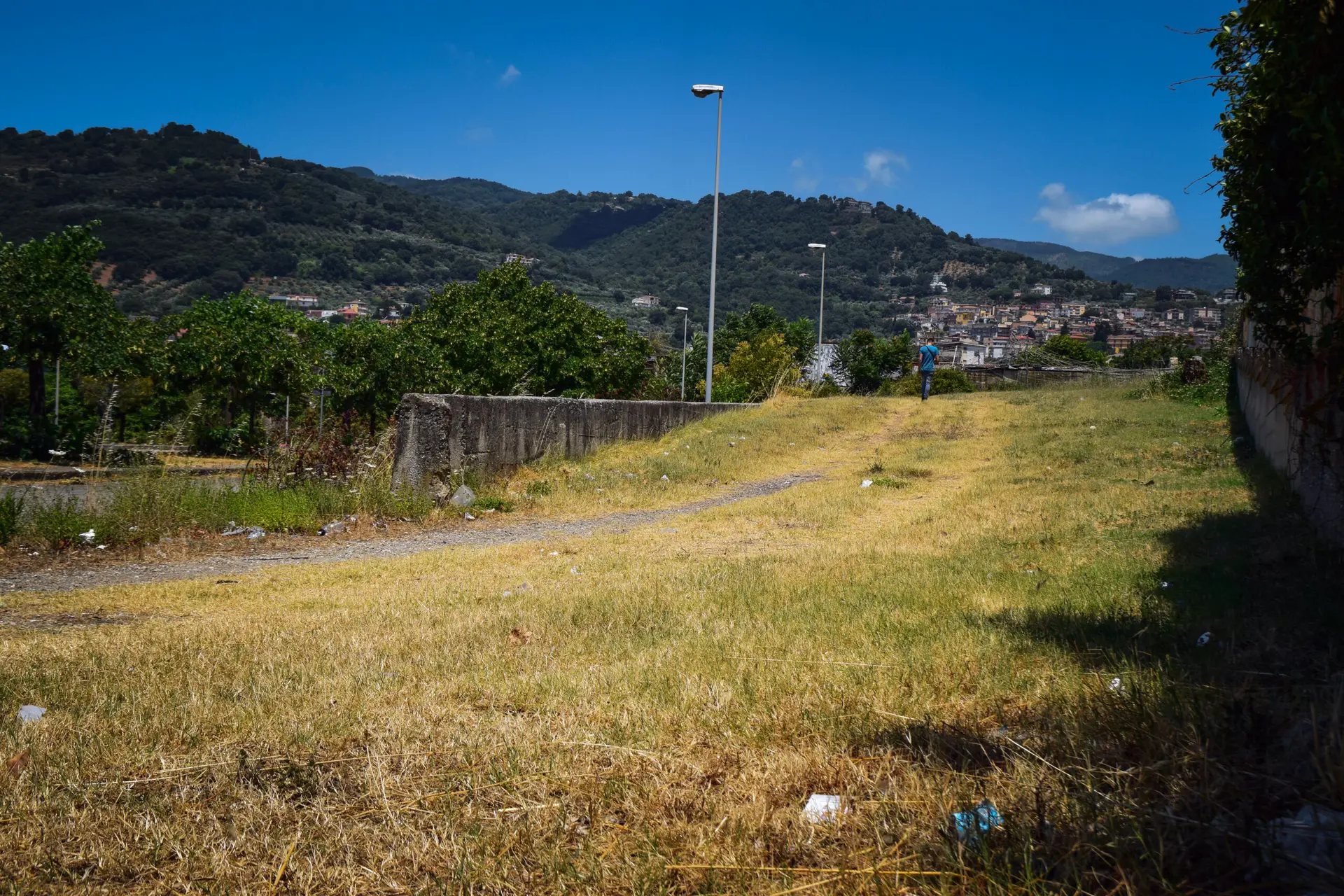
Another smoker, an elderly man, watches the youths from across the street. Then he turns his gaze to the two-meter wall isolating the Scordovillo camp from the rest of the city – from regular neighbourhoods like the one where he, Vincenzo, lives. “I think they should tear the camp down and move them into real houses. They should be put in homes,” he says, stubbing out his cigarette. “But far from here,” he adds. “We don’t want to live near them. They cause trouble.”
Closing Roma camps is on practically every far-right candidate’s agenda, with rhetoric about “restoring order” and “reclaiming public spaces.” But Italy’s “encampment” system is itself the outcome of Italy’s decades-long failure to accept Roma people. Camps were first established in the late 1980s to accommodate Roma fleeing the war in the Balkans. Forty years later, promises to dismantle them have remained on paper for so long that – in Lamezia as across the country – few people believe anything politicians have to say on the issue.
Under pressure from the European Commission, the Italian government adopted a national strategy for the inclusion of Roma, Sinti and Camminanti communities in 2012. The plan relies on European funds to carry out projects in four areas: housing, education, health and employment. Italy was allocated a total of €32 billion in ESF and ERDF funds from 2014 to 2020. For the 2021-2027 period, an additional €83 billion was allocated, of which some €56 billion is earmarked for Southern Italy. The EU did not respond to our FOIA request for details of how this money was spent. “We have no idea how the money is spent at the regional level. These are direct funds that the European Union allocates to local authorities, while monitoring mechanisms are implemented at the EU level,” the director of Italy’s National Office Against Racial Discrimination (UNAR), Mattia Peradotto, told us.
Ned Husovic is a Romani consultant who mediates between Roma communities and NGOs. But he says it’s the NGOs who have control over these projects – and they perpetuate a narrative of moral panic around Roma communities. “They portray the Roma situation as a constant state of emergency,” Husovic says. “They think that without them we can’t express ourselves. It is a paternalistic, narcissistic, colonial and missionary vision.”
In March 2024, a proposal to close the Scordovillo camp and improve living conditions for its 400 residents began to take shape. Various non-profit organizations, led by Associazione Comunità Progetto Sud and including the Catholic Caritas Diocesana, were awarded €8 million in EU funds to temporarily relocate residents, clean-up the site and replace its makeshift homes with 120 public housing units for them to move back into.
After the European Roma Rights Center condemned the planned development as a “ghetto” that violated both Italian and EU laws and regulations, the project was modified to move families not to a new development set apart from the wider community of Lamezia Terme, but into existing homes in the city. But Fiore Manzo, a local Roma activist, says the approved tender still doesn’t meet the needs of those it’s supposed to help. “The project was designed from the top down,” he says. “It was written by technicians who know how to draft perfect documents in Italian, who know how to write successful project proposals – but it wasn’t written addressing the actual needs of the community.”
A year later, officials are tight-lipped on agreements between Calabria’s regional government and the project lead, which are yet to be finalized. The Scordovillo Roma community have no idea how far along these plans might be. According to timelines set by the Calabrian authorities, relocation is expected to start soon but there is no clarity on how or where Progetto Sud – who declined all our requests for interview – plans to relocate residents.
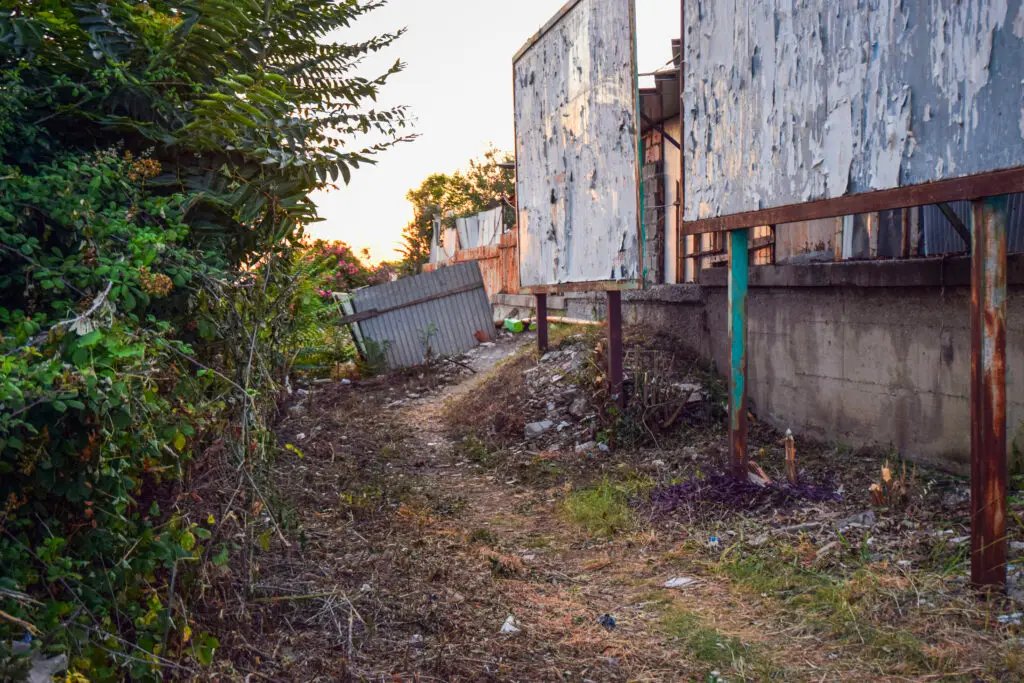
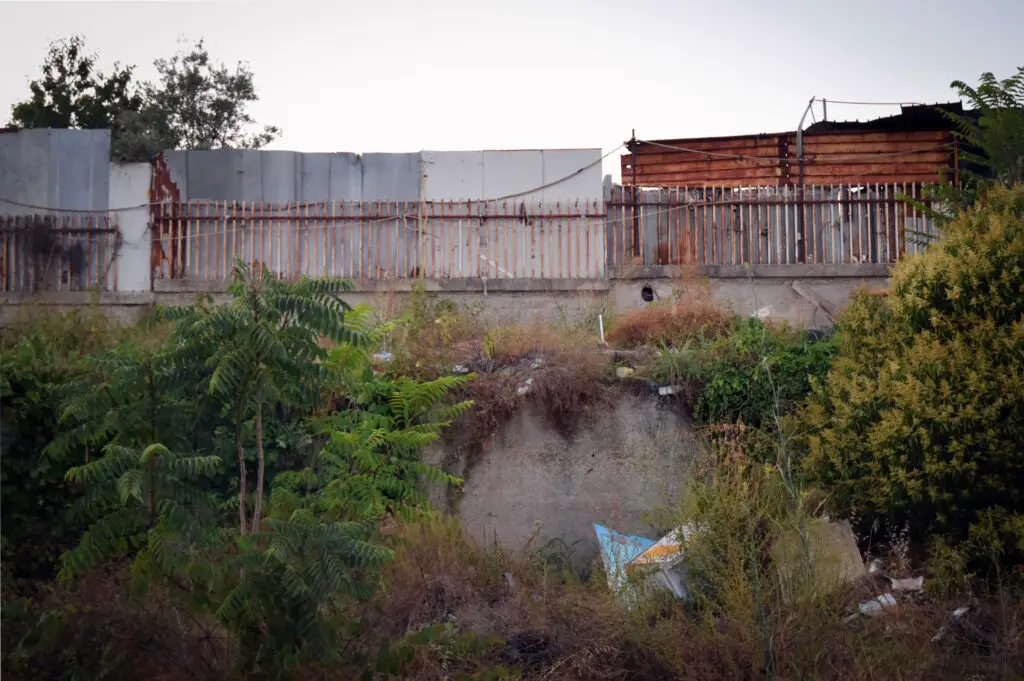
Sandwiched between a railway bridge on one side and the city hospital on the other, the camp consists mostly of makeshift dwellings of sheet metal. “In winter, the metal sheets and roofs are blown away, or it rains inside. There’s no sense of privacy, because many people usually end up living in these containers,” Manzo says.
Two women leave the camp pushing a violet stroller with no baby inside. “We don’t live well inside. There’s no money, we don’t have anything,” they say. Asked about the relocation project, they say they know nothing about it.
“If you want to carry out a redevelopment project without involving the key people of that place, the very ones who are supposed to benefit from it, then something’s fundamentally wrong,” Manzo says.
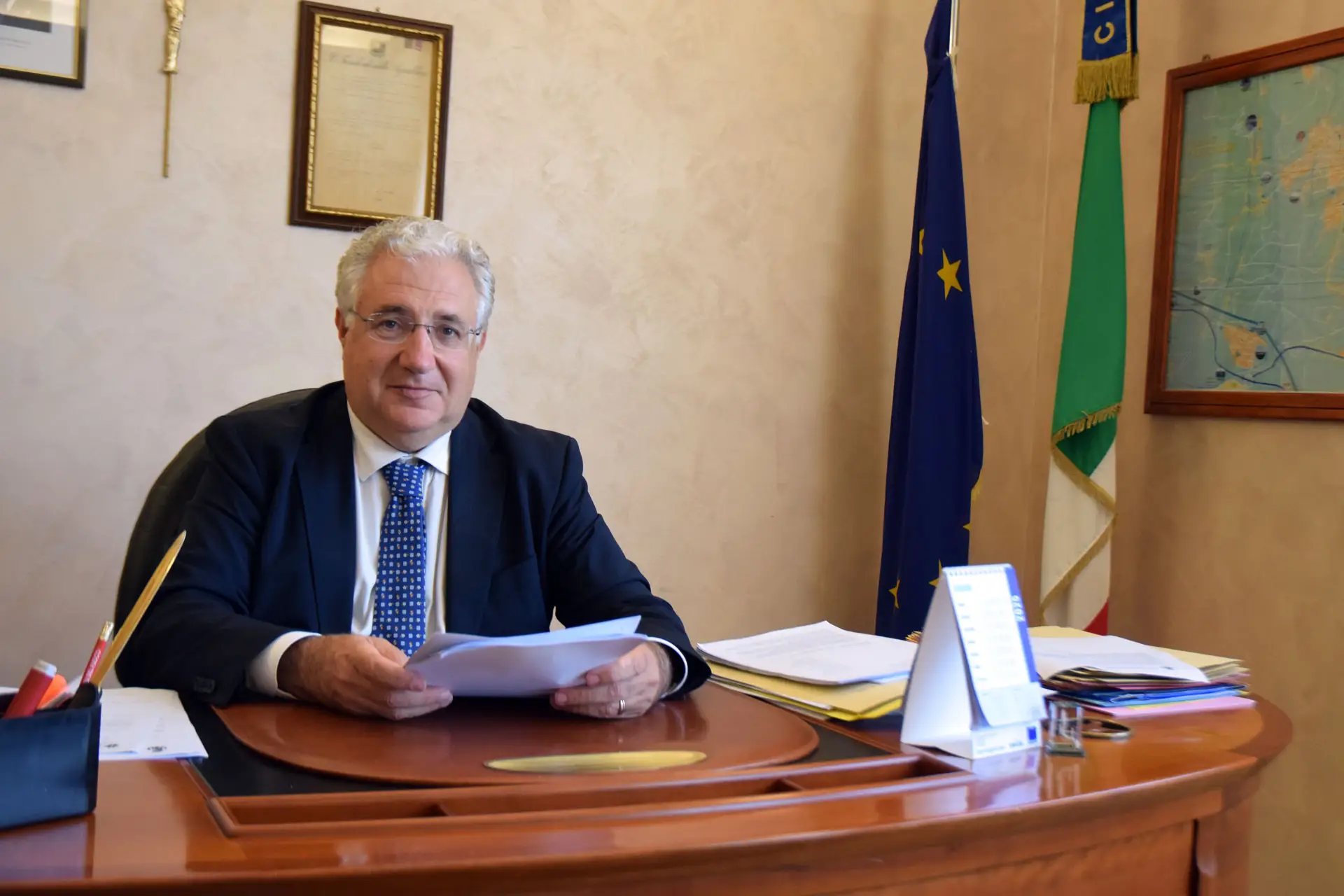
In June, far-right candidate Mario Murone won the vote to become Mayor of Lamezia Terme. Newly established in his City Hall office, Murone seems intent on ensuring the project doesn’t look like the kind of forced displacement that would fall foul of EU regulations. He says that the regional body for public housing has completed an assessment identifying 160 potential homes, but doesn’t give further details. Meanwhile, the Calabria public housing authority suggests otherwise: a call for tenders to identify new housing units for the project remained unfulfilled for most of this year and was reissued with a new deadline in November.
When we ask Murone how, concretely, he envisions the project being implemented, a silence falls over his office. The AC hums as he chooses his words carefully. “We are not displacing people,” he finally insists. “We are relocating them to a place where they can begin living under conditions that are – if not entirely, at least significantly – different from those they’ve experienced so far. This refers not only to material conditions, but also to a different way of understanding society. We are repositioning them.”
Yet despite talk of social repositioning and allocating existing homes instead of building a separate development, Murone has publicly committed to the complete removal and segregation of these same communities. Calabria’s regional general secretary for housing, Eugenia Montilla, says the “project is being developed according to an approach of inclusive, supportive, and widespread housing for everyone.” But she too is keen to appease neighbors like Vincenzo: “During the steering committee meeting, it was decided to minimize the number of Roma families placed in areas already inhabited by non-Roma residents,” she told us.
The EU Funds for Fundamental Rights 2025 report detailed misuse from across the 2014-2020 period and from 2020 to 2027, but the 63 dodgy projects do not constitute an exhaustive list – which is almost impossible to compile, in part because of the complex web of EU funding mechanisms, state projects and private tenders through which the money is disseminated. One of the report’s authors, Louise Bonneau, says more transparency is vital. “It is extremely difficult but important to hold both national and EU authorities accountable for the lack of data, implementation mechanisms and monitoring of taxpayers’ money,” Bonneau says. “Soon, we will have another EU funding cycle 2028-2034, and people have the right to know if their money is being misused.”
The EU only revoked funding for Hungary’s disastrous resettlement of the evicted Keleti community because of the tenacity of a local activist who saw its impact in his own community. László Glonczi first submitted a FOIA request for the documentation on budgets tenders, and on who was benefiting financially from the project, in February 2020. When his request was denied he sued the local government, embarking on a four-year legal battle before the courts ordered the city to release the data – which is expected imminently.
Shedding light on what went wrong in Nyíregyháza, these documents might provide insights into how contractors are able to profit from mismanaged projects that ignore Roma communities’ experiences and perpetuate their exclusion. But for the communities concerned, it is clear that whether such projects are simply misguided or the result of profiteering, decisions about how and where they live are being made for them, by people who don’t understand their lives.
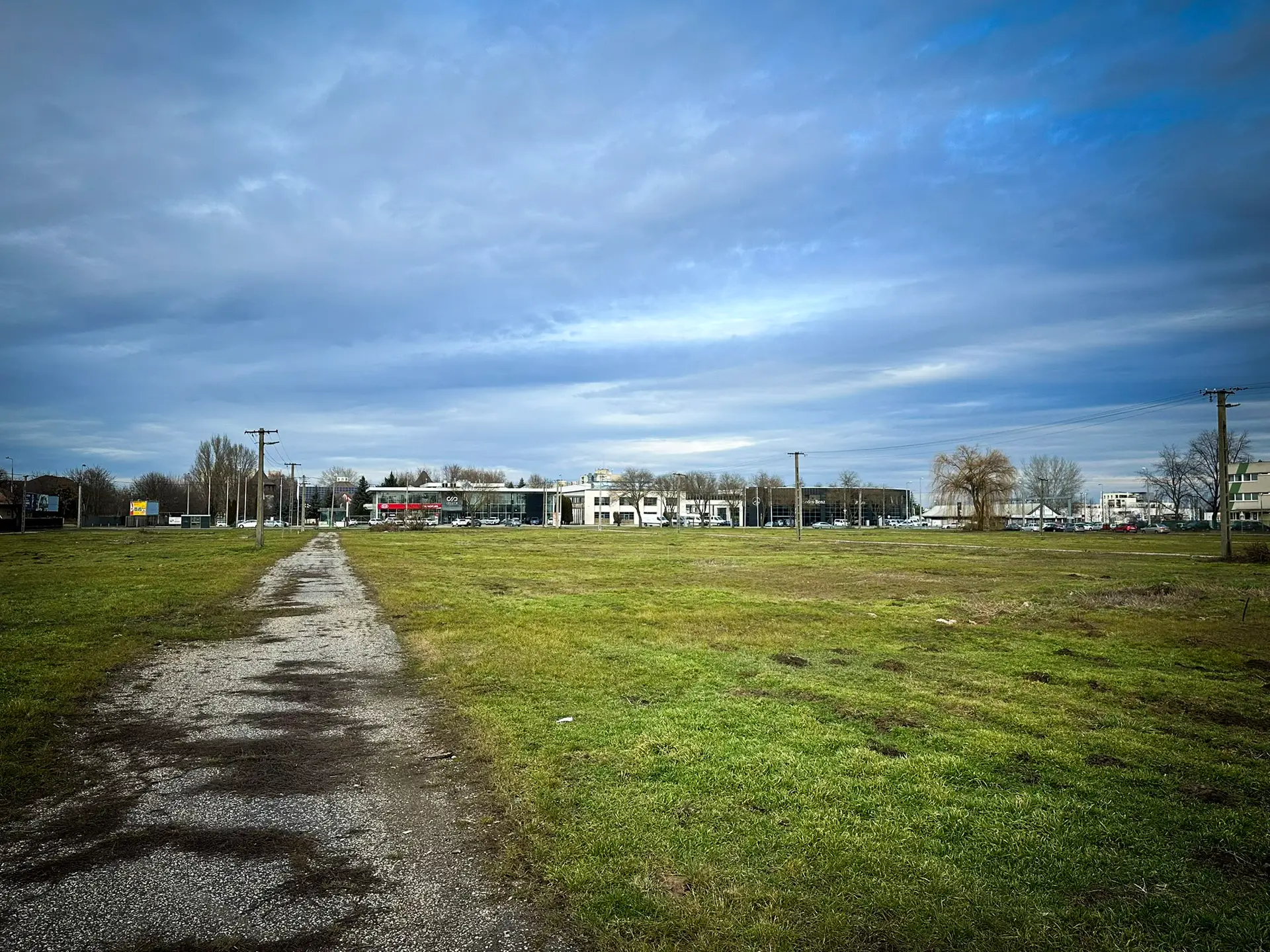
We visited the empty field where Keleti slum used to be home to some 500 people. Asked how they felt about the Roma community and their displacement, people living next to the former settlement seemed reluctant to talk. “We moved here later, we don’t know anything about it,” was the standard response to our questions. But in Huszártelep, Keleti was remembered vividly – and with fondness. Like Roma communities across Europe, it lacked infrastructure and was plagued by poverty. But it was also a haven where neighbours didn’t see one another as a danger to society.
“If someone told me we could go back to Keleti settlement and I had five minutes to pack, I would go,” Józsefné Láda says. “I don’t need running water, I don’t need comforts, just let me go back. It was peaceful there. Everyone knew and respected each other.” She describes Keleti settlement as a place where her children were safe and women could come home from work in the early hours without fear of harassment. Now it is gone, and she has no hope of leaving Huszártelep for the kind of life they had before. “We can get out of here only if we die,” she says.

Róbert Báthory is a senior investigative journalist at Radio Free Europe/Radio Liberty in Hungary. He has been working in the media for 22 years. He uncovers stories that politicians want to keep secret.
Zsófia Fülöp is a Hungarian journalist working for the fact-checking site Lakmusz. As a freelancer, she covers topics related to migration, minorities, and vulnerable groups like Roma people and the LGBTQ community.
Ernő Kadét is a Hungarian journalist and editor-in-chief of the Roma Press Center and RomaPlay YouTube channel. He has authored hundreds of articles on Roma communities, focusing on social injustices, local conditions, and underreported stories across the country.
Ronald Rodrigues is a freelance journalist based in Central Europe who covers human rights violations, racial discrimination, migration, environment, and LGBTQIA+ rights mainly focusing on minorities, migrants and marginalized communities from the Global South.
Mihail Mishev is a political scientist and award-winning journalist, member of the governing body of Amnesty International Bulgaria, and editor-in-chief of the Roma platform Romalo.
Vittoria Torsello is a freelance journalist and co-founder of Marea Media. She investigates environmental issues, corporate accountability, and human rights violations across the Mediterranean region.