Ecology and extractivism

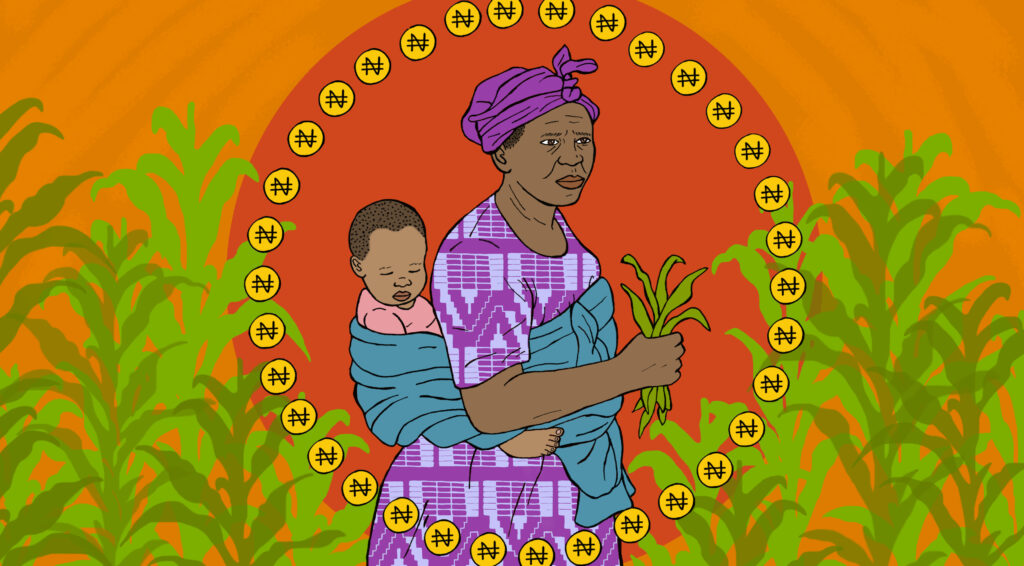
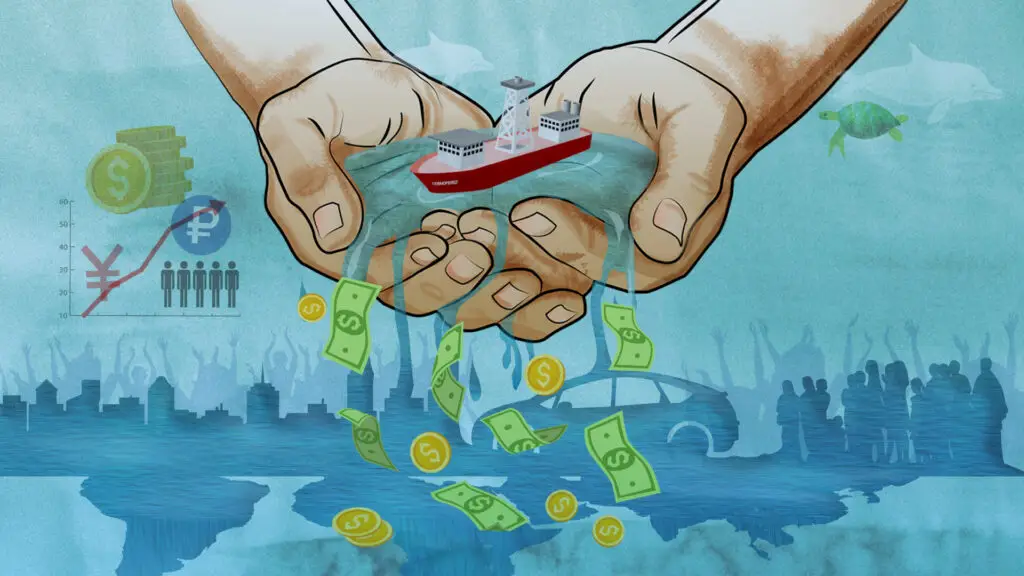
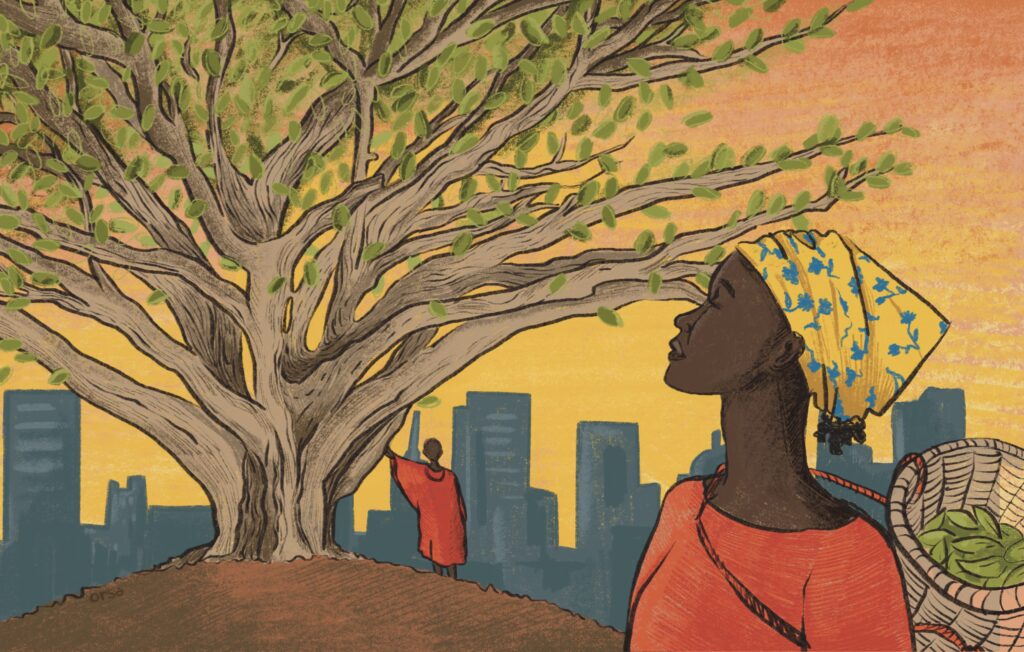
Nigerian women farmers trapped between climate shocks and microfinance debt

Microfinance loans were meant to offer a pathway out of poverty in countries like Nigeria, particularly for women. But as climate change makes weather patterns more unpredictable, the risk of falling into further debt falls onto the shoulders of women farmers who face not just erratic farming conditions but social stigma from default.

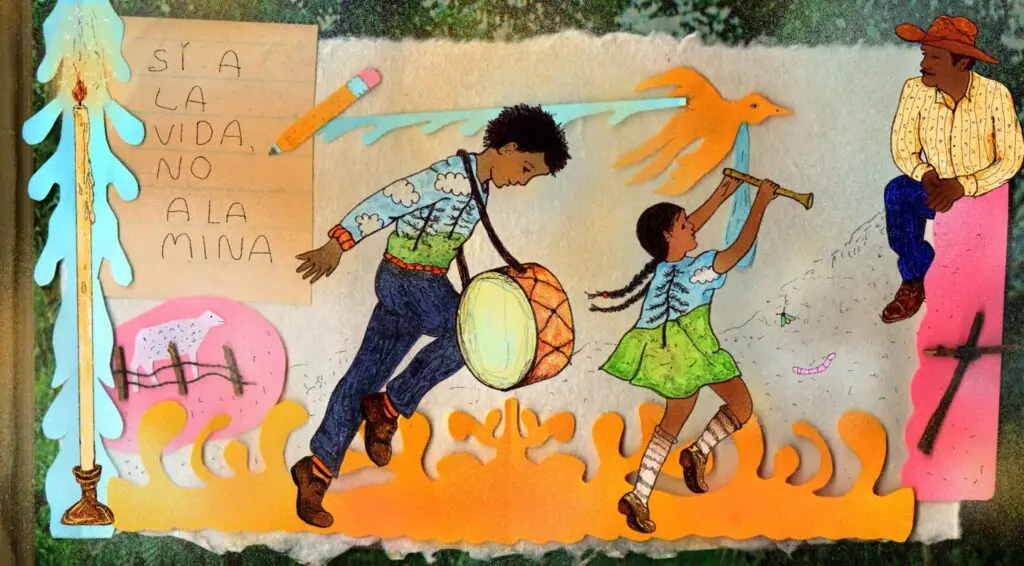
Capulálpam de Méndez: A struggle for land and memory

After a Canadian mining company challenged a Zapotec community’s Indigenous identity, recalling the ancestral names of sacred landmarks helped reinvigorate their connection to the land – and defend it from extractive industries.

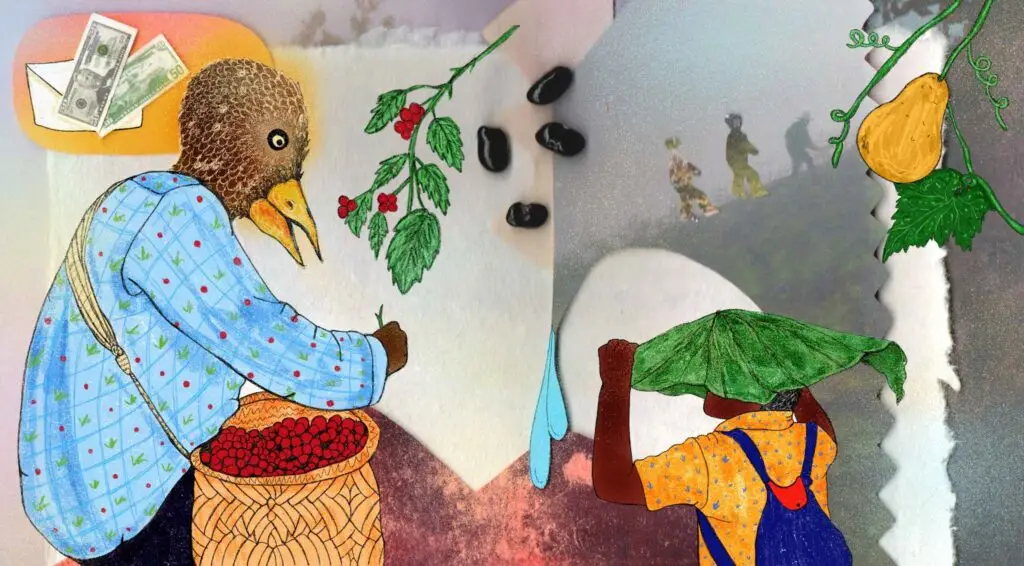
Sierra Mixe: A conversation with Mother Nature

Medicinal wisdom is embedded in Indigenous Mixe languages. By sustaining their mother tongue and practices involving herbs and healing rituals, Mixe people keep alive a cosmovision in which they speak to Mother Earth.

Workers, miners, citizens cross paths in front of a factory and lake

Foreign capital, local burden: Who benefits from mining in Bosnia? 

When foreign companies restarted mining operations that had been shuttered since the breakup of Yugoslavia, Vareš had high hopes of economic revival. But as the state fails to take a stand against pollution and deforestation, optimism has given way to nostalgia for the socially owned mines of the communist era.

A woman with grocery bags walks on a cracked desert with oversized tomatoes surrounding her

Dollar stores, diesel fumes and food sovereignty in Chicago’s frontline communities

In communities shaped by redlining and disinvestment, the only places to shop are often dollar stores – stocked with plastic goods that have crossed oceans on container ships and rolled across states on eighteen-wheelers. These journeys are long, carbon-heavy, and almost invisible, but their impact is felt from Suzhou to Chicago, from the global climate to the human body.

COP comes to the Amazon: Is Belém ‘ready’ for the gringo’s gaze?

This year’s COP, the UN’s 30th global climate summit, is hosted by Belém. The Brazilian media has become obsessed with Belém’s poverty and underdevelopment – shortcomings that weren’t deemed newsworthy until the urban Amazon became a focus of the world’s attention. But what does it mean to be prepared? For whom?

A heated building facade is pulled aside to reveal a cool oasis in a city

Twenty degrees apart: How urban inequality drives indoor heat in Paris and Barcelona

While European cities face record-shattering heat due to climate change, not all residents are affected equally. Indoor heat sensors show scorching temps in areas with lower-income housing, compounded by neglectful urban planning and pollution- a combination that is creating health risks in urban peripheries.

A woman stands with a broom in one hand and a child in the other, defending her land against encroaching fire

Community in La Cañada Real: The women defending Spain’s biggest informal settlement

For decades, Moroccan immigrants have called La Cañada Real home. Now, real estate speculators are closing in on the informal settlement. Authorities are starving the community of basic infrastructure and demolishing homes. But women are pushing back against eviction and uniting against oppression from outside their community and within.

Join our newsletter

Local reporting that challenges global mainstream perspectives

An illustrated woman wearing high heels and a parachute is typing on a laptop

Help us fight for a more inclusive journalism