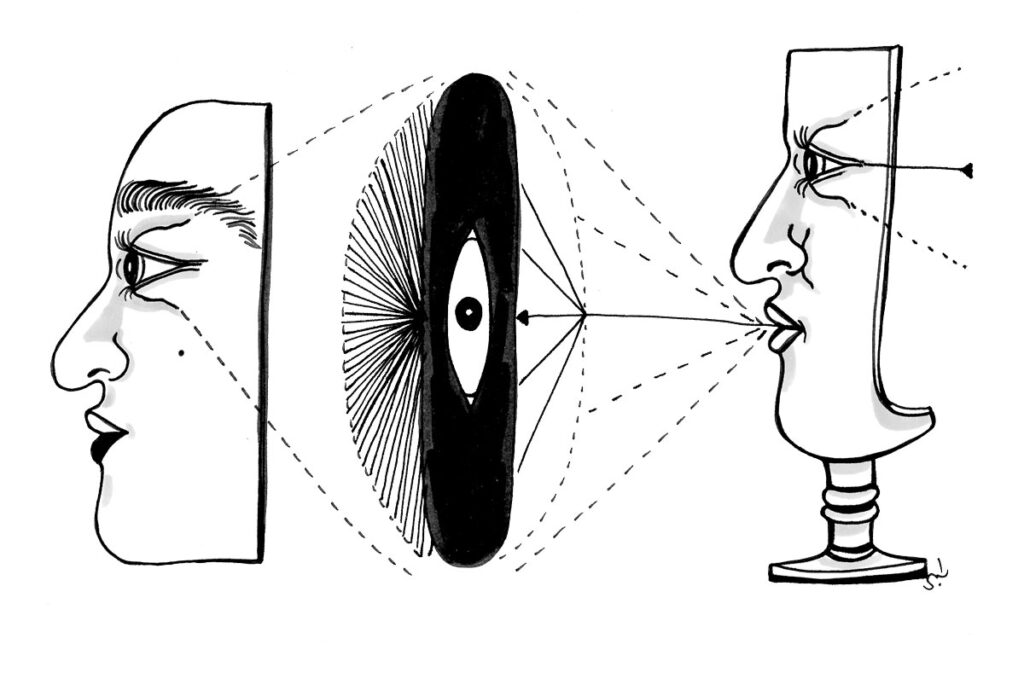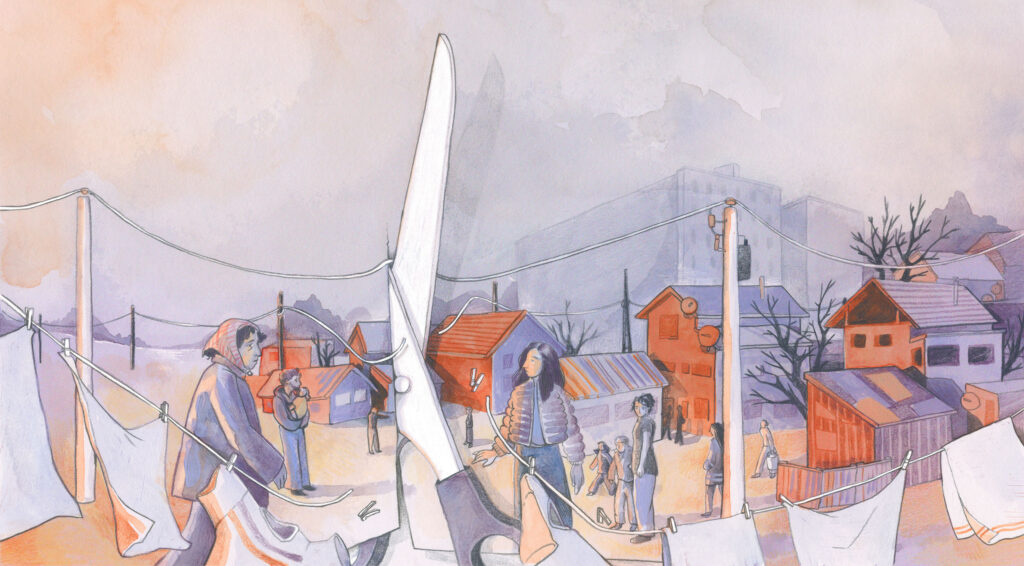
Roma people are routinely excluded from jobs, housing and public services. Yet tens of billions of euros to promote Roma inclusion are vanishing into projects with no transparency or measurable impacts. Our investigation found evidence of some of this EU money being spent on displacing or demonizing Roma communities in Hungary, Bulgaria, Czechia and Italy.
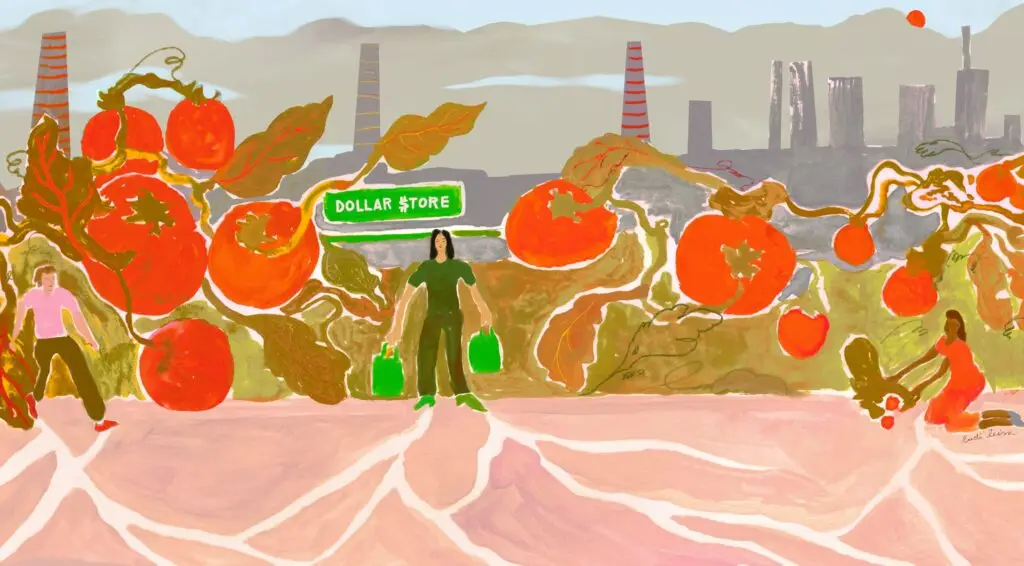
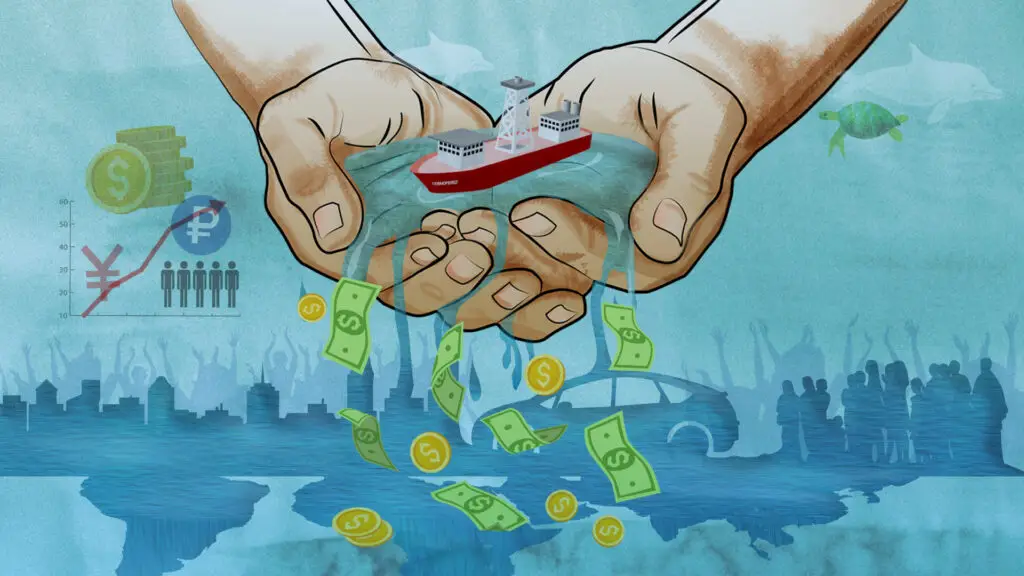
In communities shaped by redlining and disinvestment, the only places to shop are often dollar stores – stocked with plastic goods that have crossed oceans on container ships and rolled across states on eighteen-wheelers. These journeys are long, carbon-heavy, and almost invisible, but their impact is felt from Suzhou to Chicago, from the global climate to the human body.
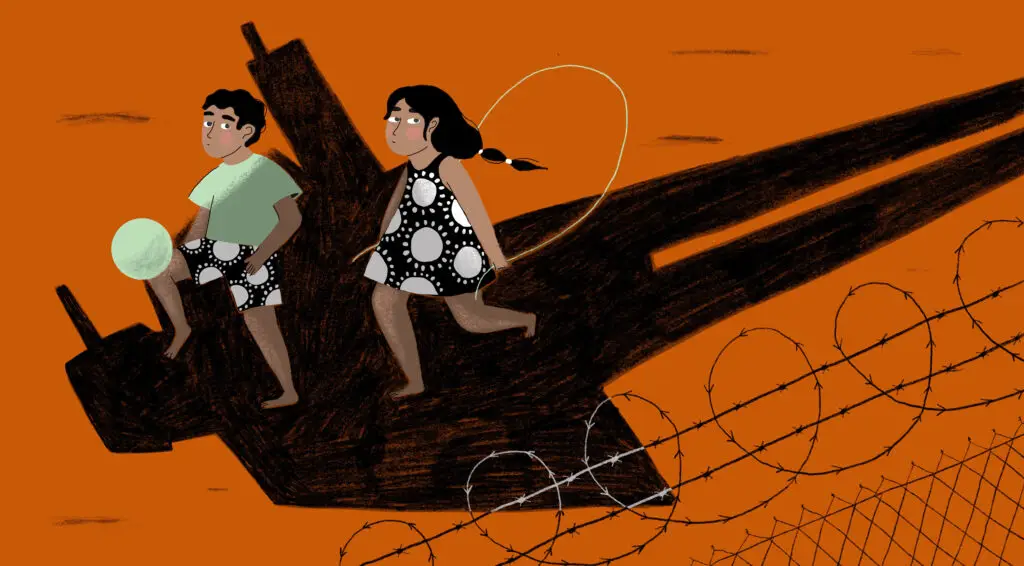
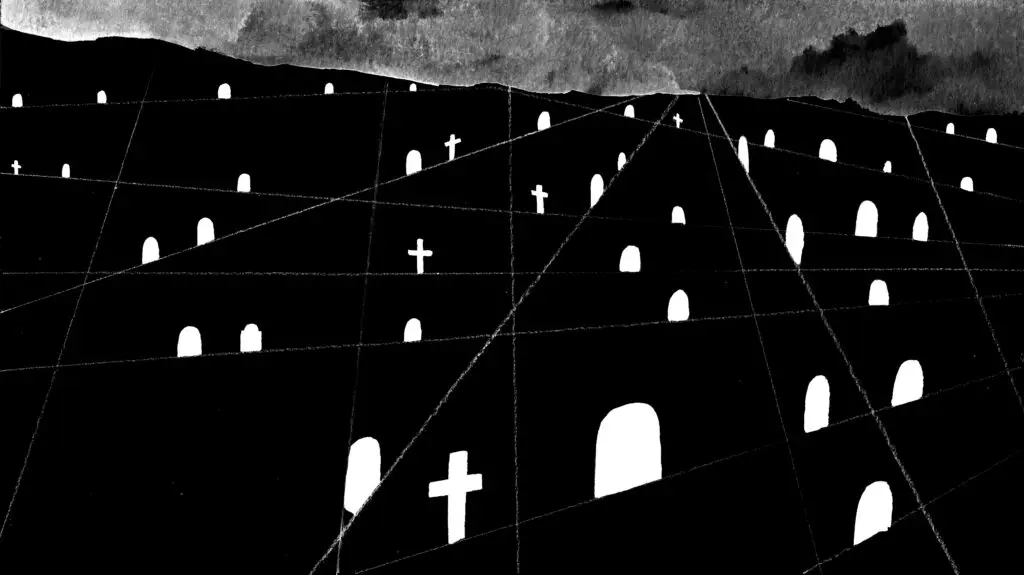
India and Bangladesh share a 4,000 kilometer-long border, which looms large for children of living alongside it, particularly those whose parents have suffered abuse at the hands of the Border Security Force.
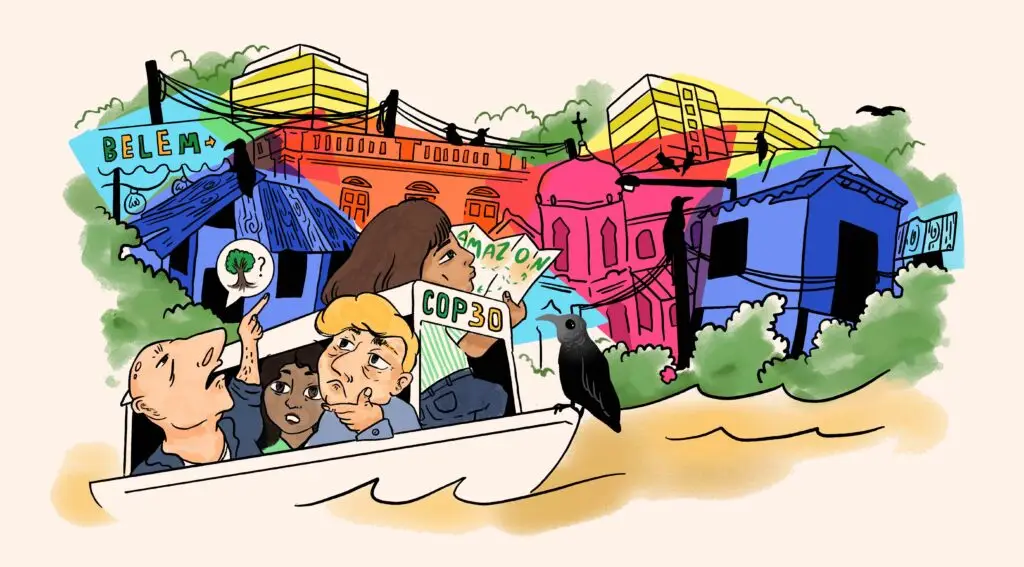
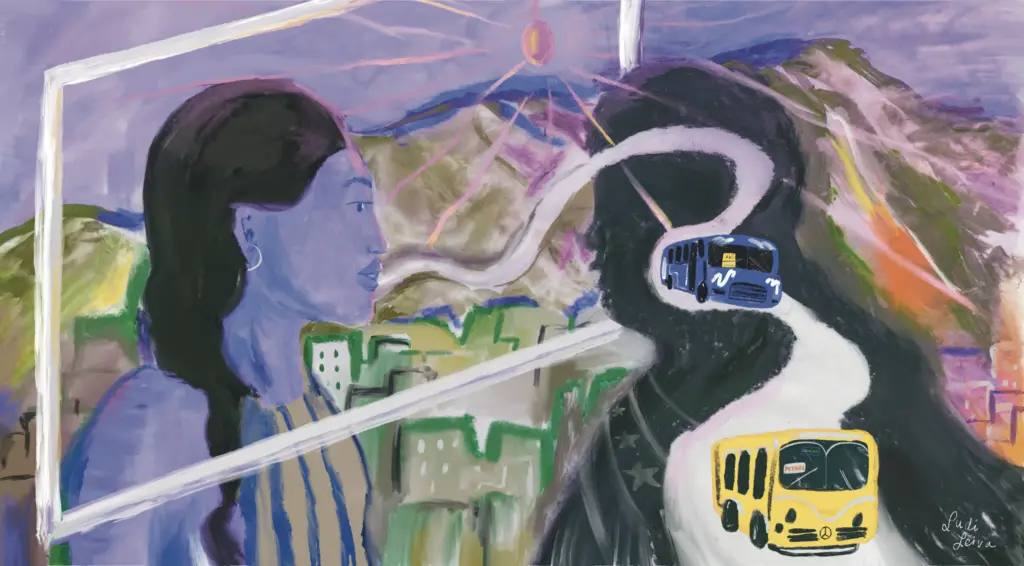
This year’s COP, the UN’s 30th global climate summit, is hosted by Belém. The Brazilian media has become obsessed with Belém’s poverty and underdevelopment – shortcomings that weren’t deemed newsworthy until the urban Amazon became a focus of the world’s attention. But what does it mean to be prepared? For whom?
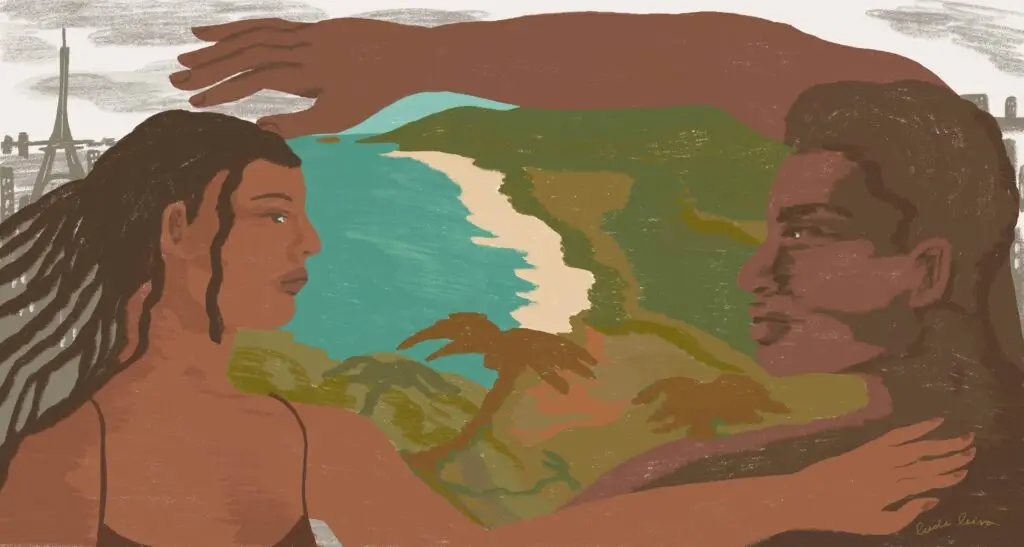
France is a far bigger and more diverse nation than even many French people acknowledge. In hanging on to former colonies, the Republic promised its overseas citizens the same rights as those on the mainland. In practice, they suffer from chronic underinvestment locally, and systemic prejudice if they relocate to the center of power.
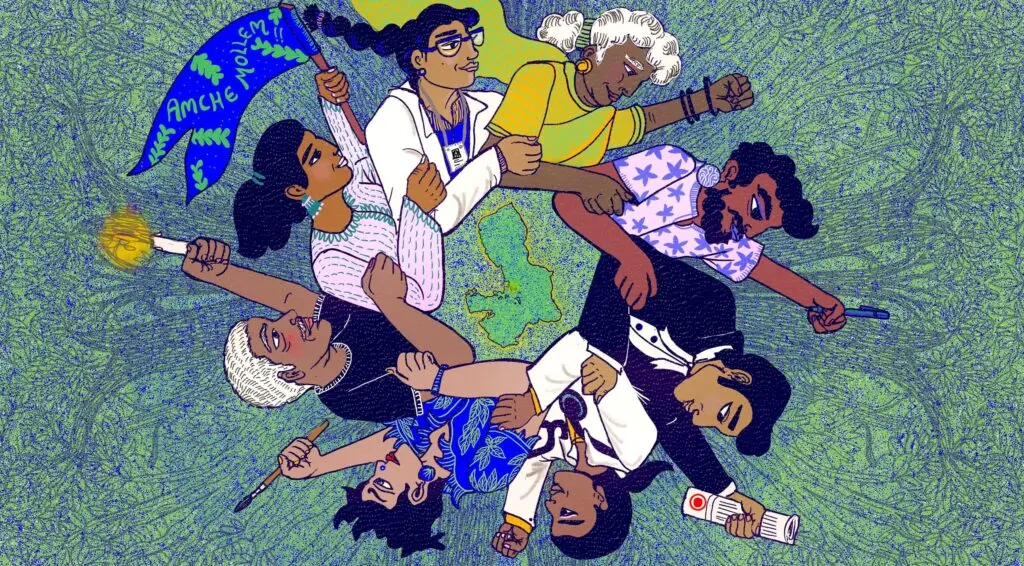
When the Indian government quietly approved projects that would cut through Goa’s ancient forests, an unlikely alliance rose in defiance. Young scientists and artists teamed up with veteran lawyers and activists to wage a fierce battle — online, in courtrooms and on the streets. Their collective strength saved the forest, preventing Goa from becoming a coal corridor.