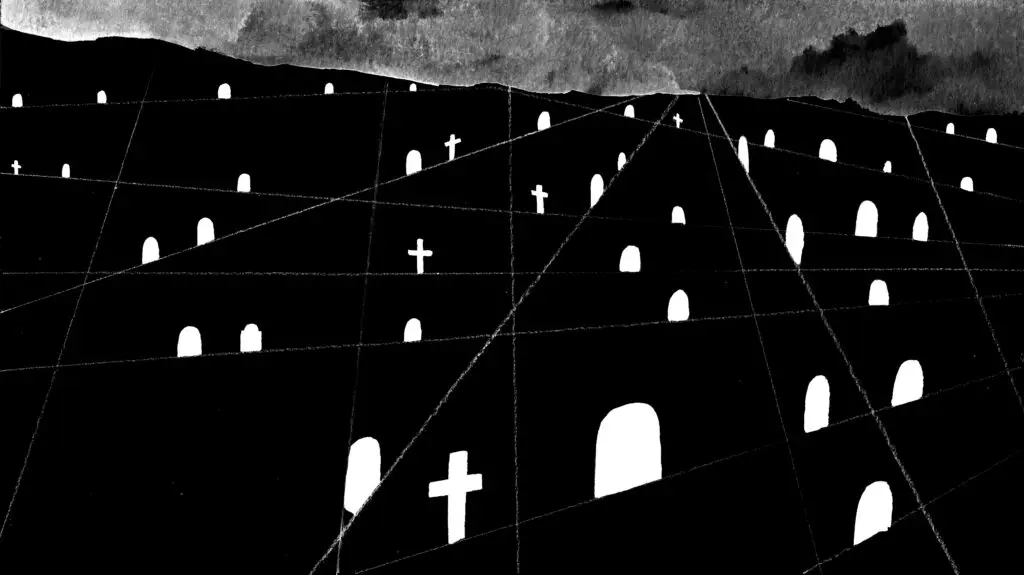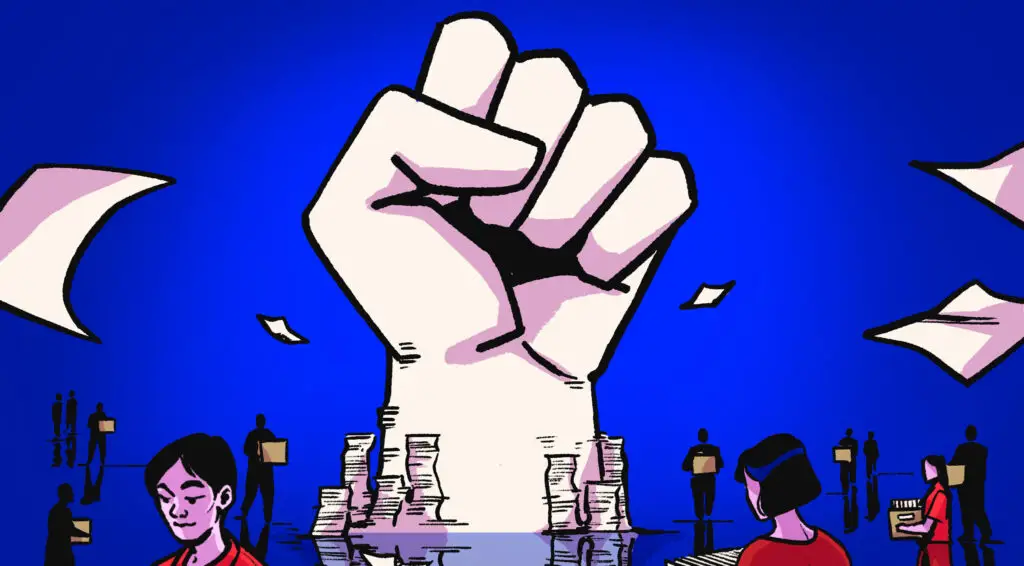
Memories of dictatorship fade – archivists in the Philippines are bringing them back into the spotlight
In the Philippines, archivists fight to preserve evidence of the country’s bloodied past, in hope that it will provide lessons for the future.

In the Philippines, archivists fight to preserve evidence of the country’s bloodied past, in hope that it will provide lessons for the future.
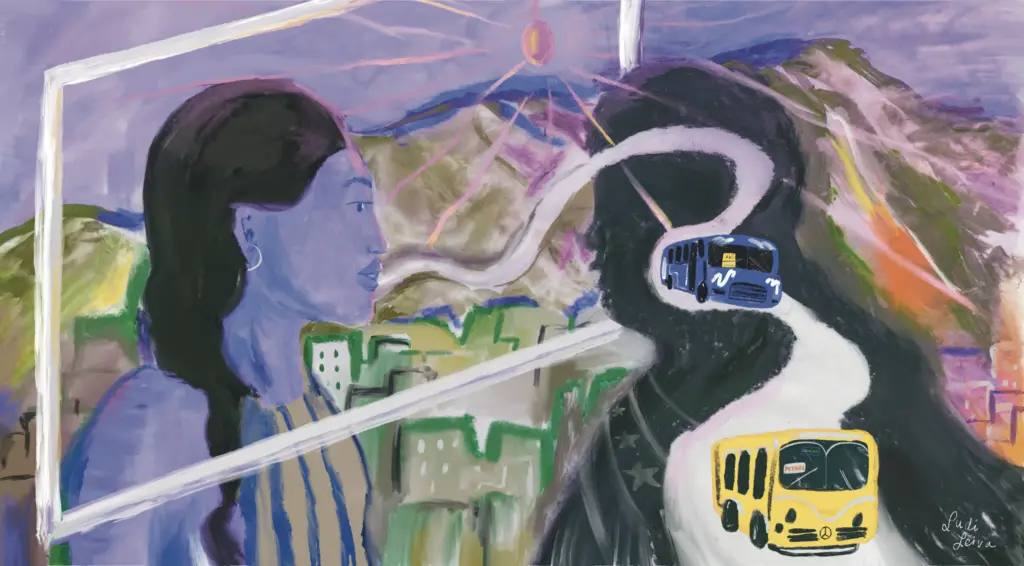
As the Maduro regime’s grip on the media tightened, a group of activists went offline to bring news directly to the people. Thanks to BusTV, many Venezuelans now access uncensored information – not through an electronic screen but on their commute home or in their local town square.
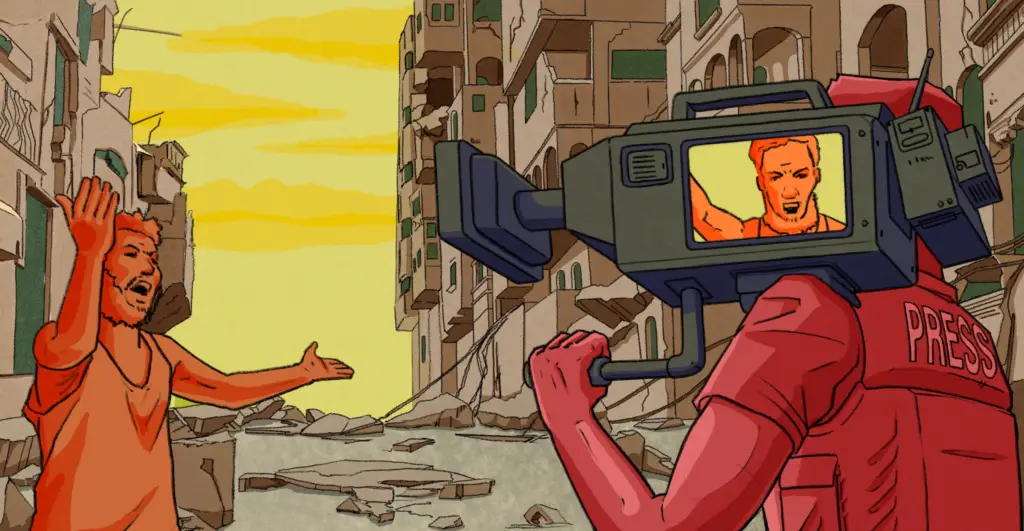
Media should not only inform, but foster understanding without exacerbating tensions or perpetuating biased narratives. Instead, Western media’s coverage of Israel-Palestine has prioritised certain perspectives while diminishing others, neglecting crucial context and perpetuating (unconscious) stereotypes.
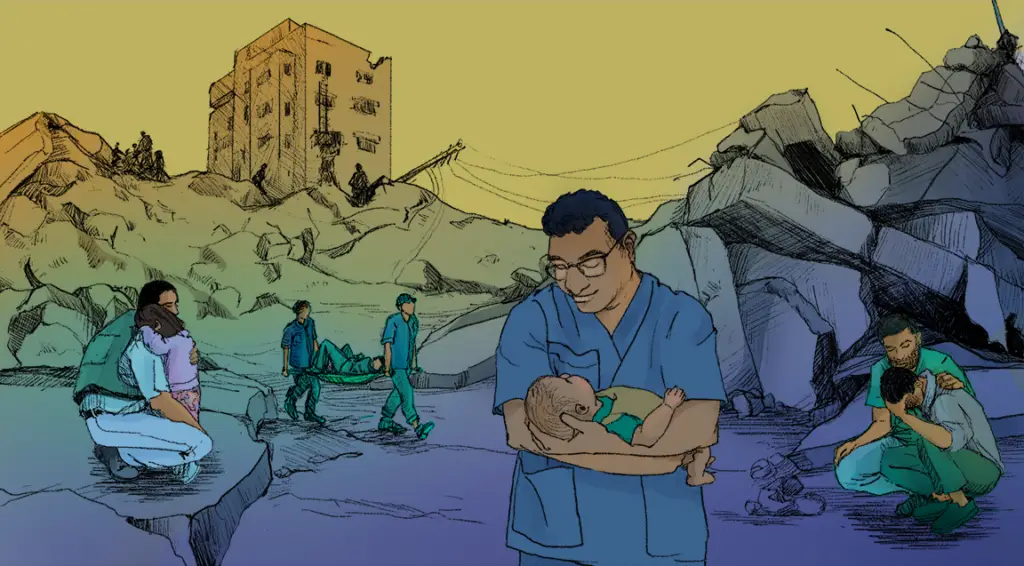
In the latest conflict as in many others, we are seeing sympathy extended towards women and children that is not there for men. But men can also be civilians, and this erasure harms human rights generally, writes Anmol Irfan.
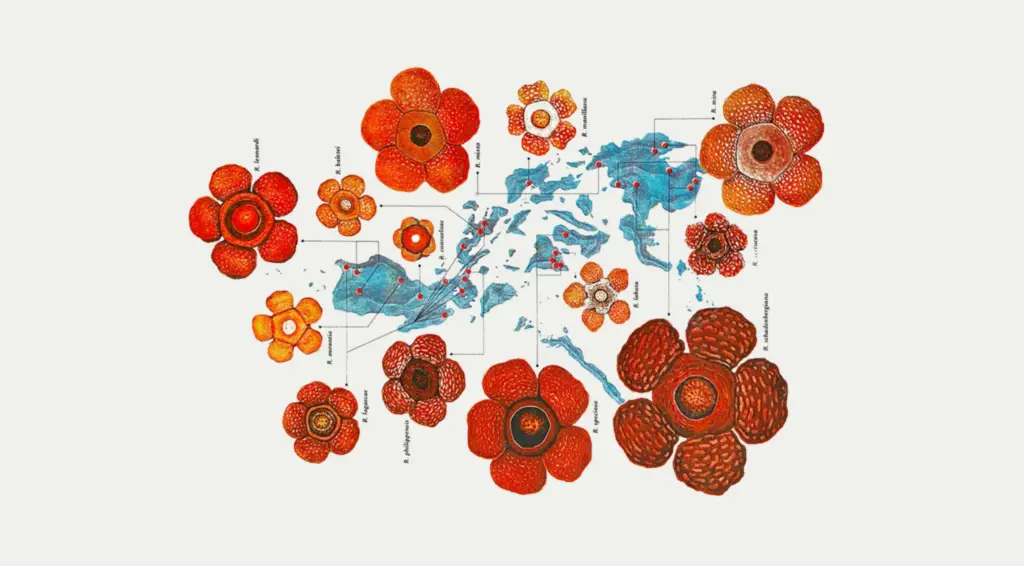
Caught in a protracted war waged by state authorities against armed Communist rebels, scientists in the Philippines have been red-tagged, losing not only opportunities to do their work, but also their lives, literally.

“I tried to bargain with the policemen, but they demanded N500,000 ($770) or nothing. Next, they drove me to my bank branch beside Sheraton Hotel and told me to go and withdraw the money for them.”
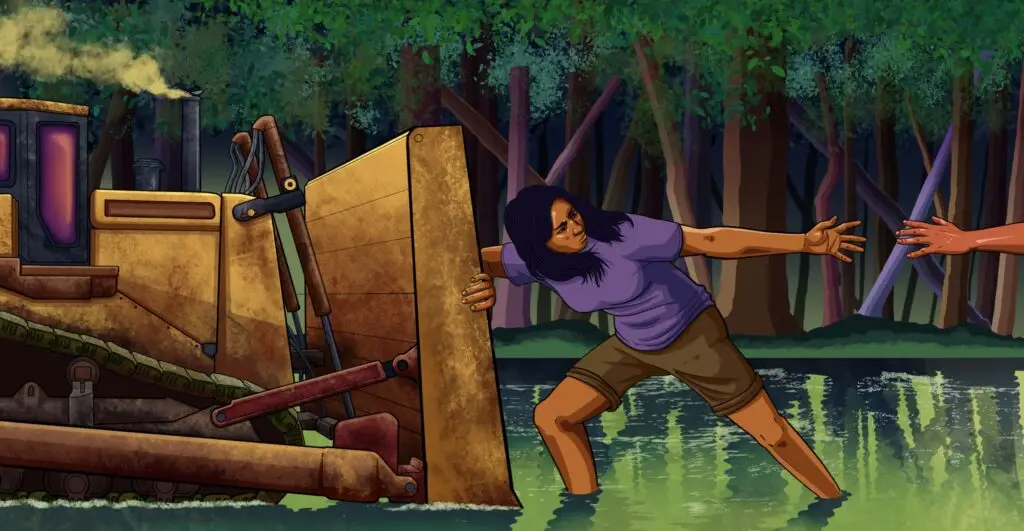
“We’re all in the same boat, as climate change affects everyone, but very few have a life jacket.”
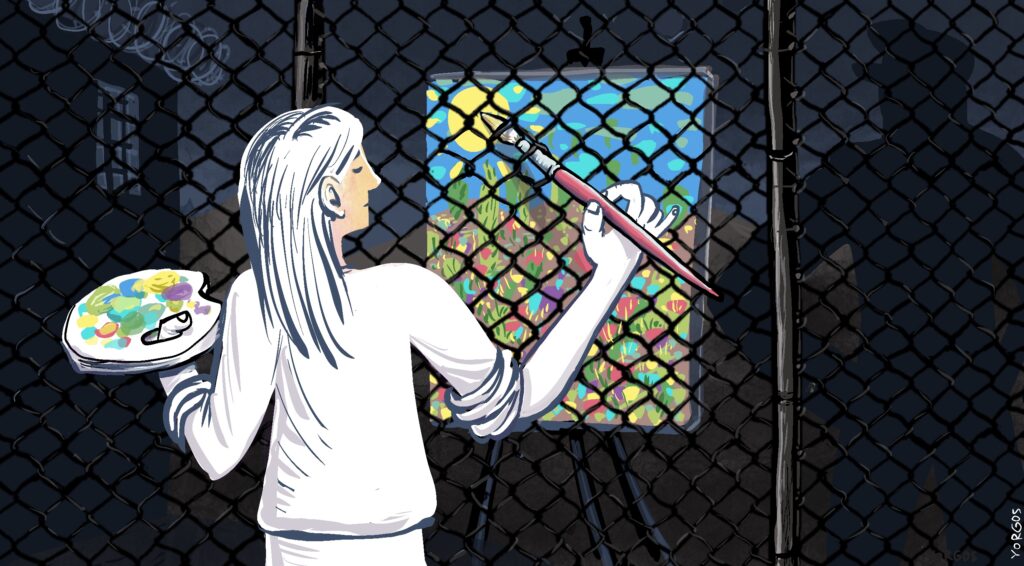
In May 2021, several thousand people crossed from Belarus into Lithuania, seeking asylum in the European Union. One year later, most remain in detention.