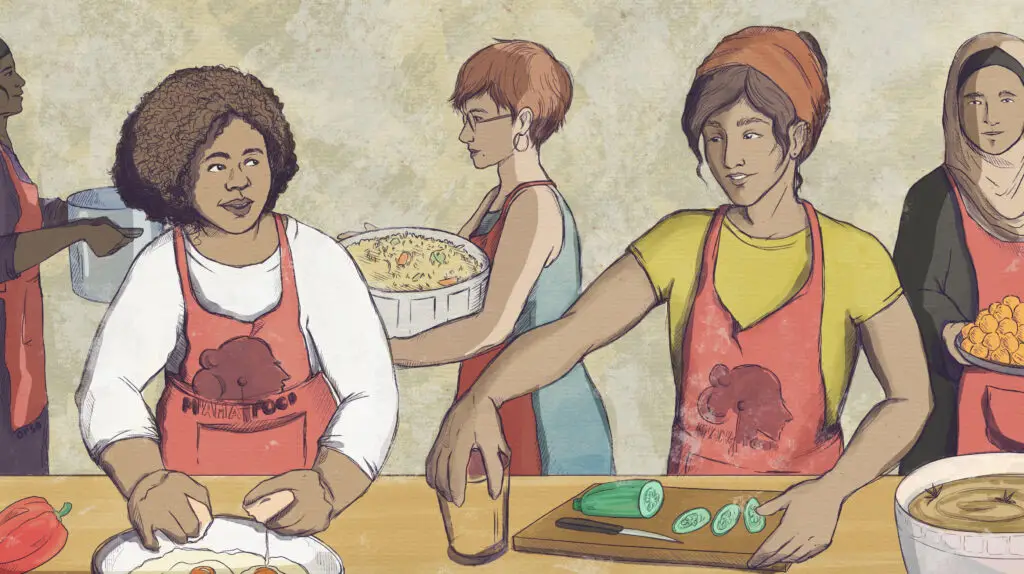
Blending traditions and experimenting with new combinations, a catering service that began at a refugee reception center is winning over Italian palates.
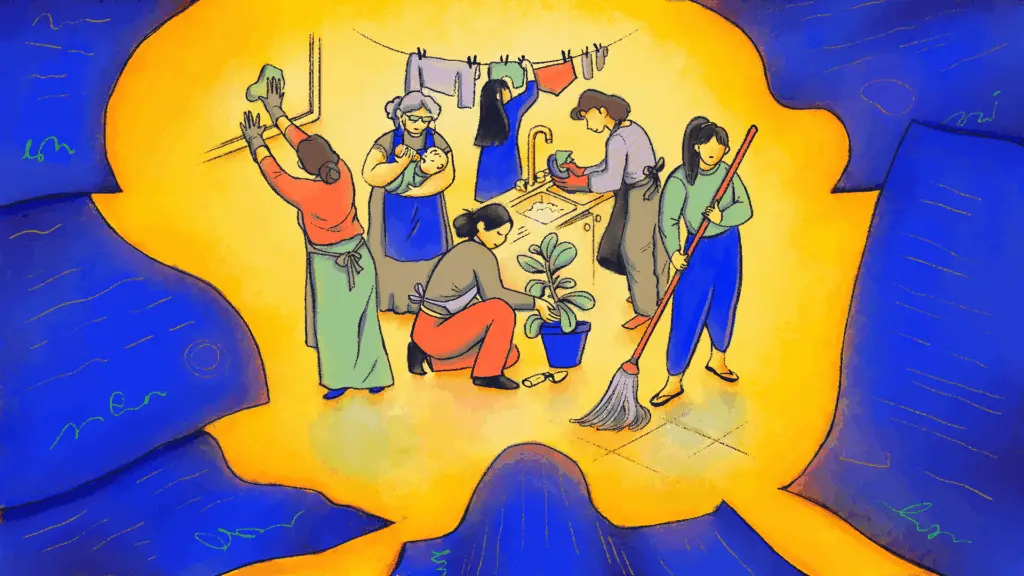
Finding a foothold in Europe can be an immense logistical, economic, social and emotional challenge, but some immigrants are finding a sense of home in communities bound by belief.
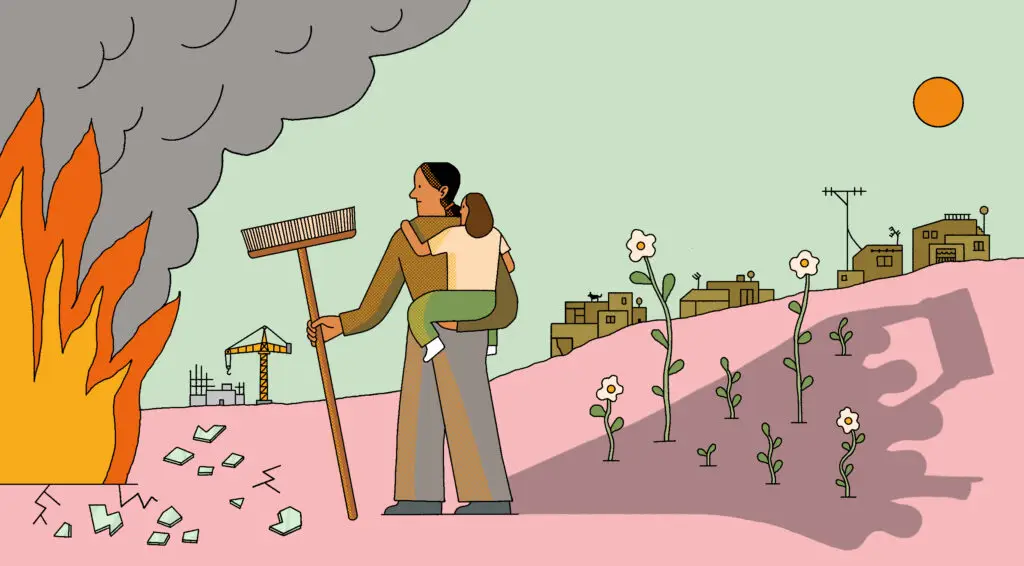
With almost a third of young Portuguese living abroad, the country’s visa options and growing recognition of foreign qualifications help keep the economy on its feet. But despite so many immigrant workers coming from Portuguese-speaking countries, their degrees still don’t have the same clout as qualifications earned in Portugal.
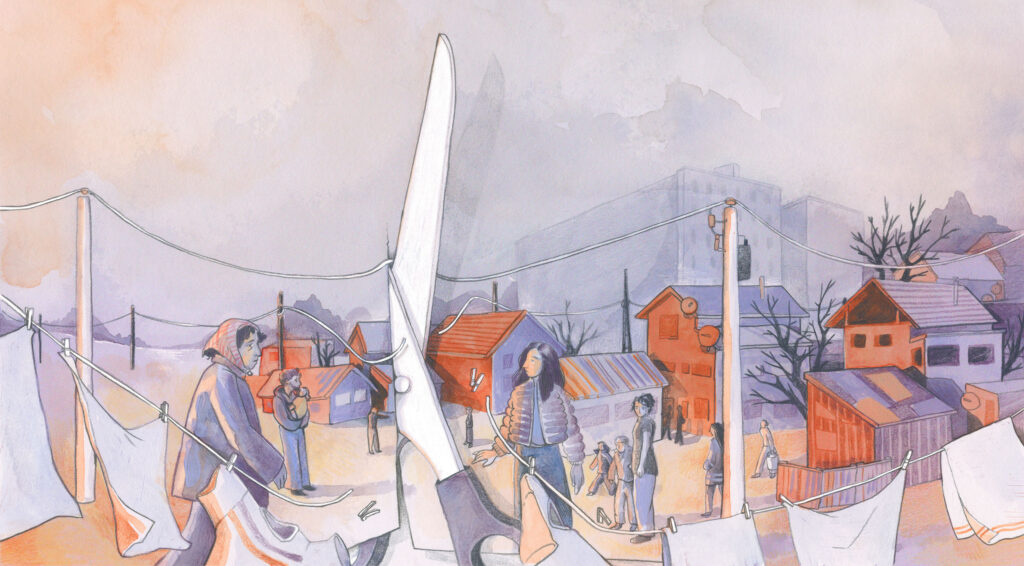
“It’s just like a prison, but worse,” says Omar. “You don’t know when you’ll be out. You can’t do anything all day. You don’t even have your personal room. You feel crushed.”
College-educated migrants arriving in Italy face one of the harshest job markets in Europe. Compared to natives with similar qualifications, migrants are overqualified, underpaid, and underemployed. As a doctor from Venezuela learned, landing steady employment even in a field with shortages can be a long struggle.
High language requirements, a one-size integration policy, and discrimination. Despite the need for labour, landing a job in Sweden has become a hurdle race for college-educated migrants, a new joint investigation with Lighthouse Reports shows.
Join our newsletter
Local reporting that challenges global mainstream perspectives