Ecology and extractivism

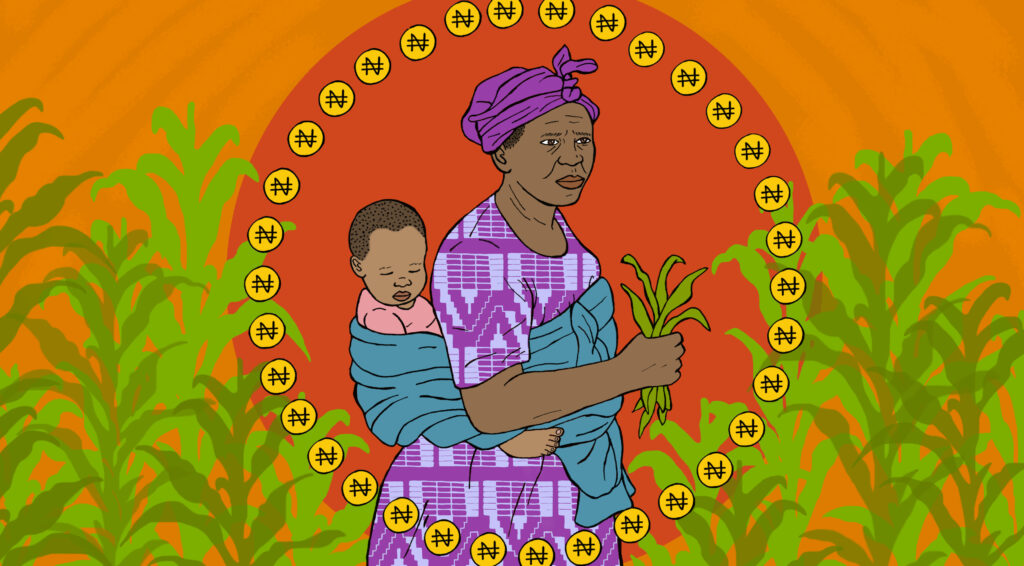
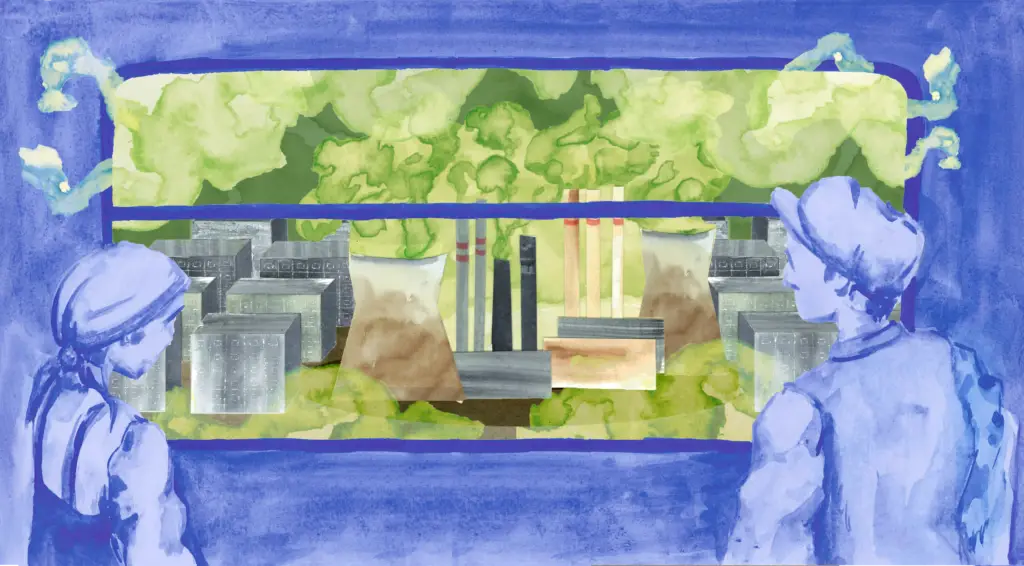
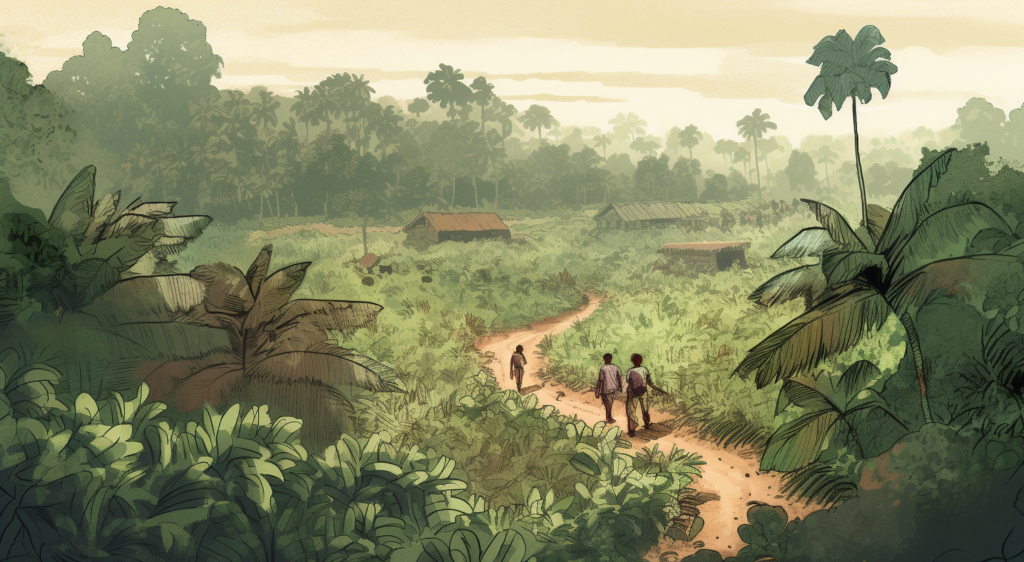
Nigerian women farmers trapped between climate shocks and microfinance debt

Microfinance loans were meant to offer a pathway out of poverty in countries like Nigeria, particularly for women. But as climate change makes weather patterns more unpredictable, the risk of falling into further debt falls onto the shoulders of women farmers who face not just erratic farming conditions but social stigma from default.

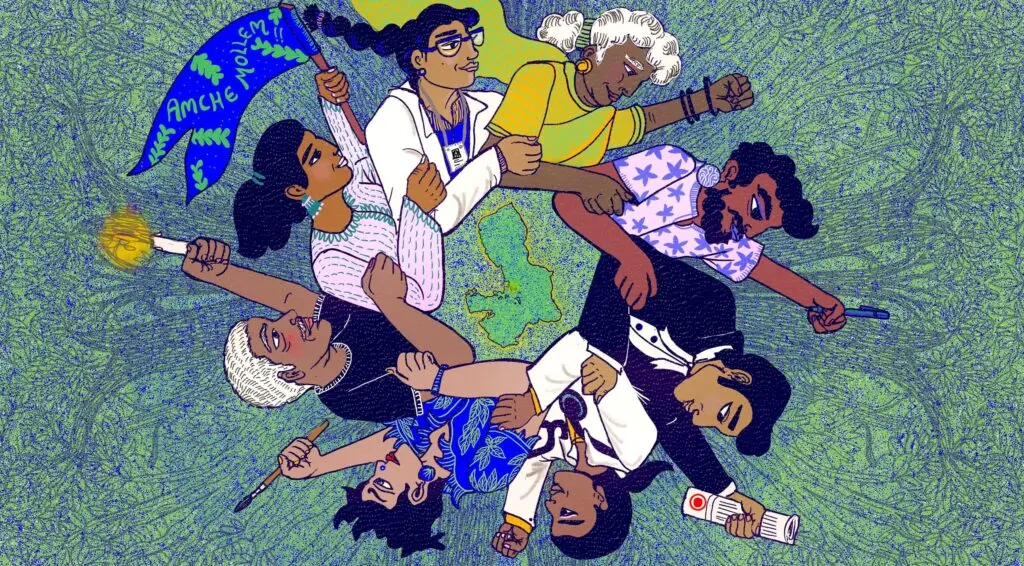
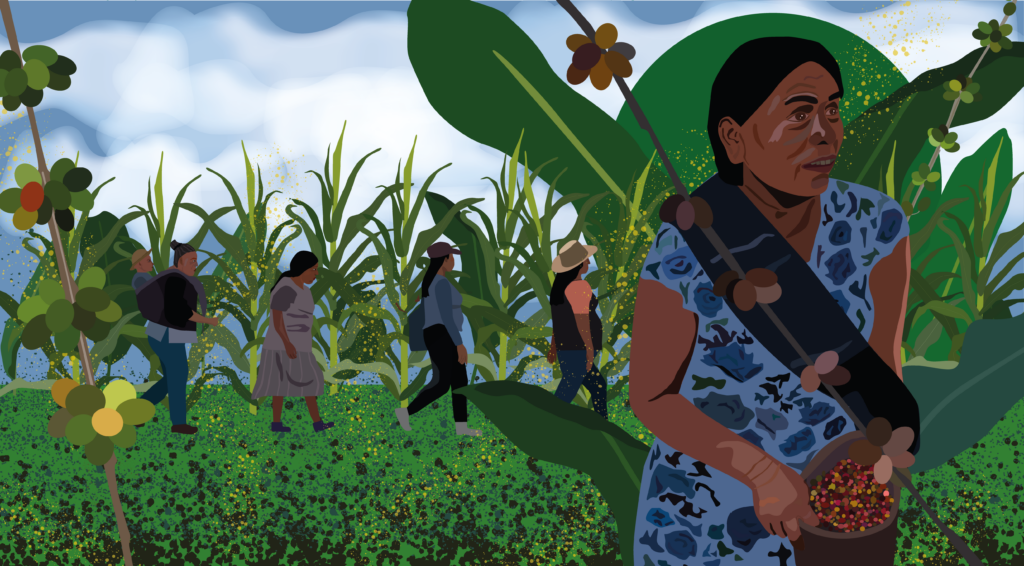
Capulálpam de Méndez: A struggle for land and memory

After a Canadian mining company challenged a Zapotec community’s Indigenous identity, recalling the ancestral names of sacred landmarks helped reinvigorate their connection to the land – and defend it from extractive industries.

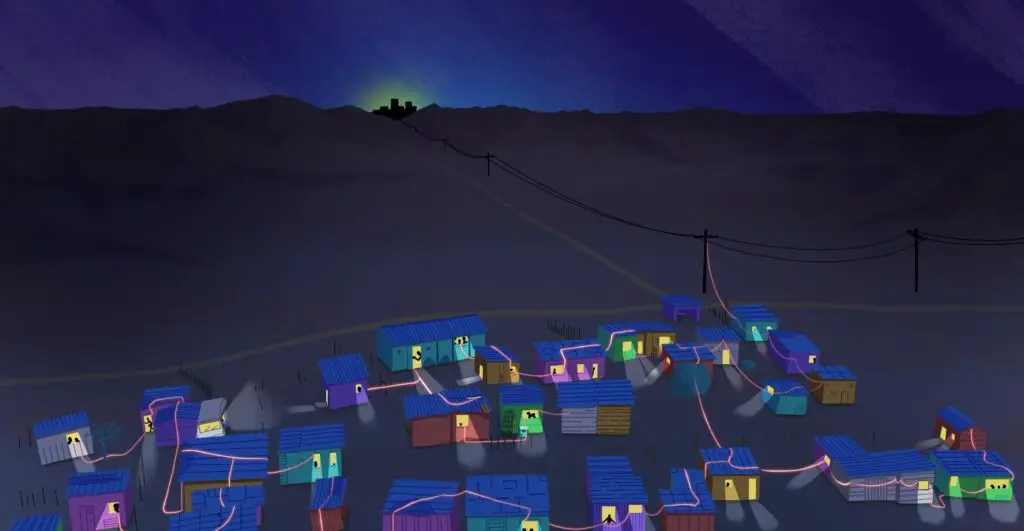
A man holding a lantern in his darkened town overlooks a city in the distance brightly lit by electricity in this illustration by Charity Atakunda

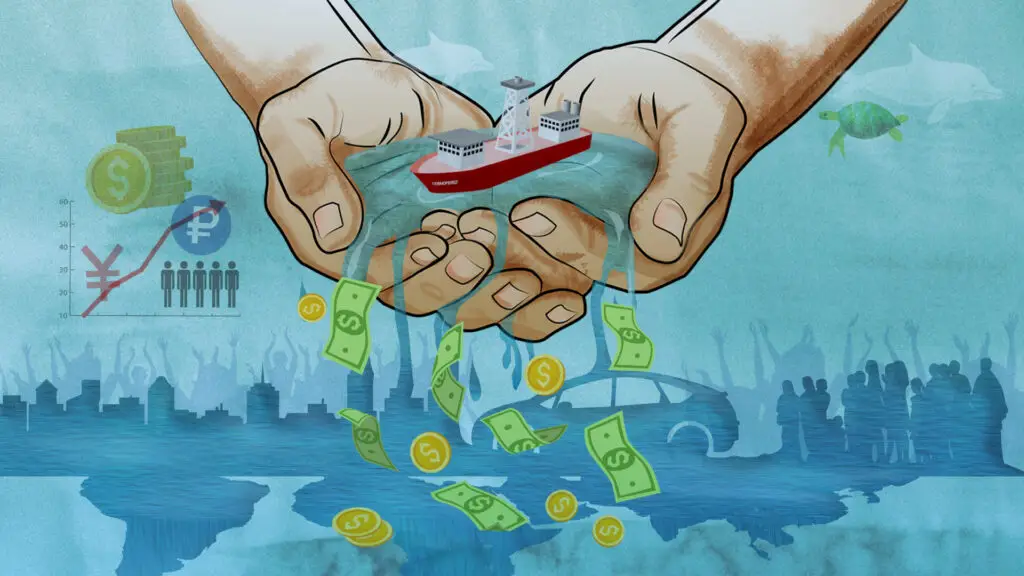
Can green hydrogen tackle Nigeria’s persistent energy poverty?

With the rising urgency of the Climate Crisis, green hydrogen is the shiniest newcomer in global conversations on energy production. However, with sub-Saharan African countries contributing less than 3% (0.2% for Nigeria) to global carbon emissions, the more pressing question is how the continent can harness its existing resources to sustainably meet its own energy demand for economic development and poverty reduction

Small children work at the bed of a river, panning for gold

Zimbabwe: Child labourers swarm the trenches of predatory Odzi

“During the third week of the first Covid-19 lockdown, we ran out of the little food we had. We spent two days on empty stomachs and this forced me to join a group of children from my village who were going to pan for gold along Odzi River. I have not stopped since then,” she said.

Join our newsletter

Local reporting that challenges global mainstream perspectives

An illustrated woman wearing high heels and a parachute is typing on a laptop

Help us fight for a more inclusive journalism