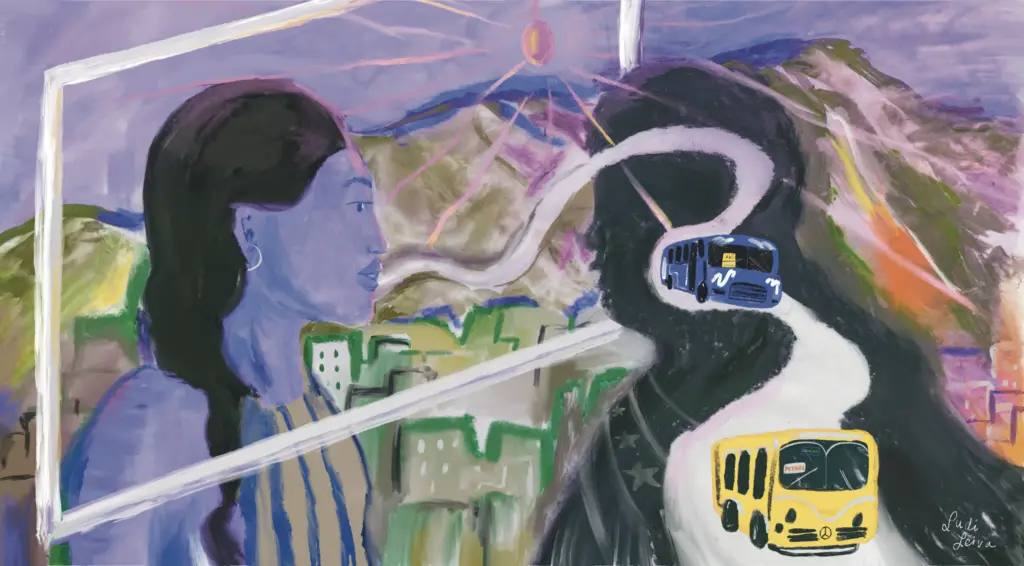
With almost a third of young Portuguese living abroad, the country’s visa options and growing recognition of foreign qualifications help keep the economy on its feet. But despite so many immigrant workers coming from Portuguese-speaking countries, their degrees still don’t have the same clout as qualifications earned in Portugal.
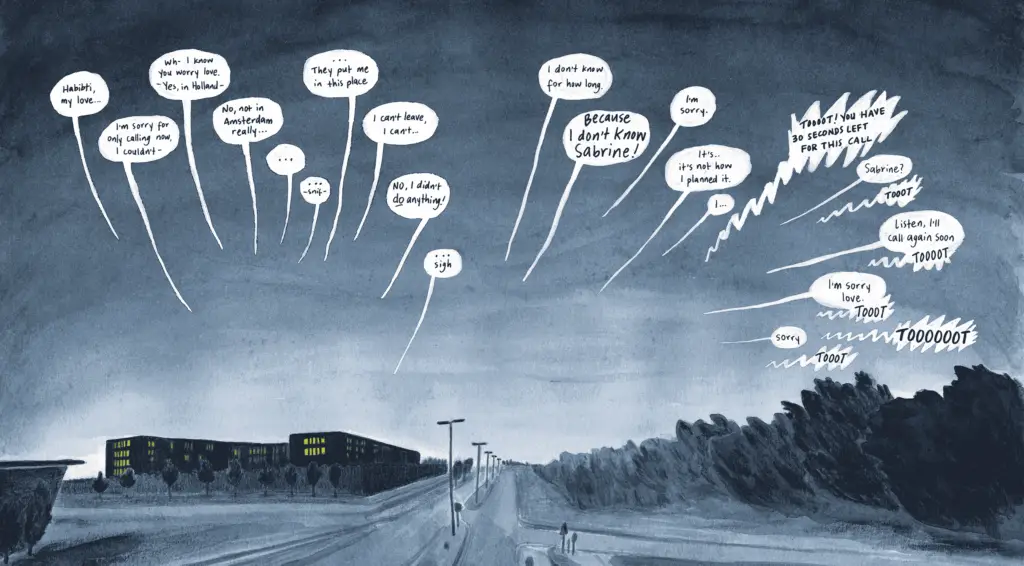
Despite a reputation for elevating human rights, the Dutch migrant detention system forces people into prison-like conditions without the right to work, study, or even know their release date. These environments breed isolation, mental health crises, and violence. And despite the government’s commitment to expel undocumented people, only half of deportations succeed.
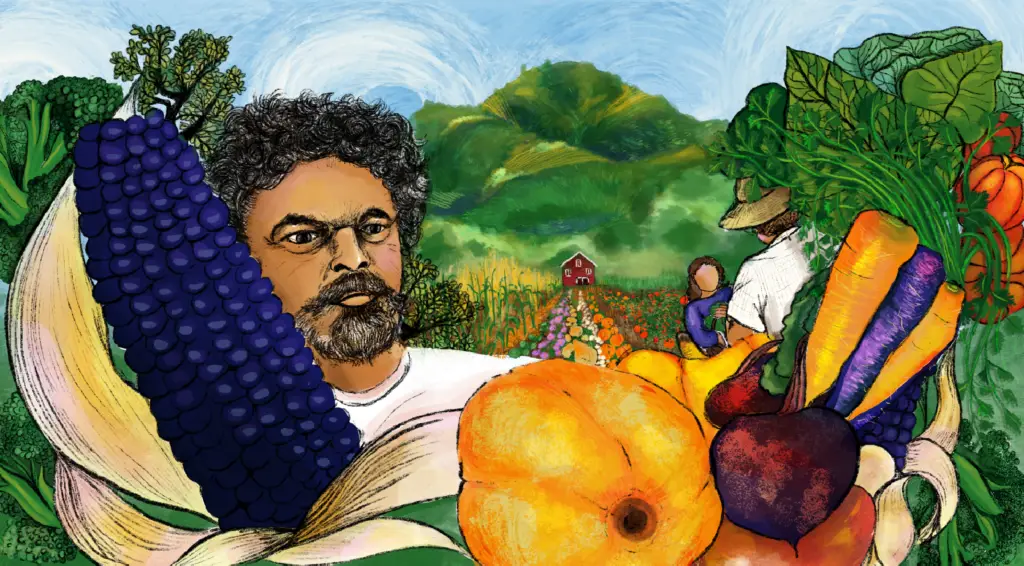
Before industrialized farming conquered the continent, the crops that fed Europe were adaptable varieties that evolved as peasants freely exchanged seeds, from harvest to sowing, generation after generation. Reviving these seed systems could protect our food supply from future climate shocks – if EU regulations don’t strangle them out completely.
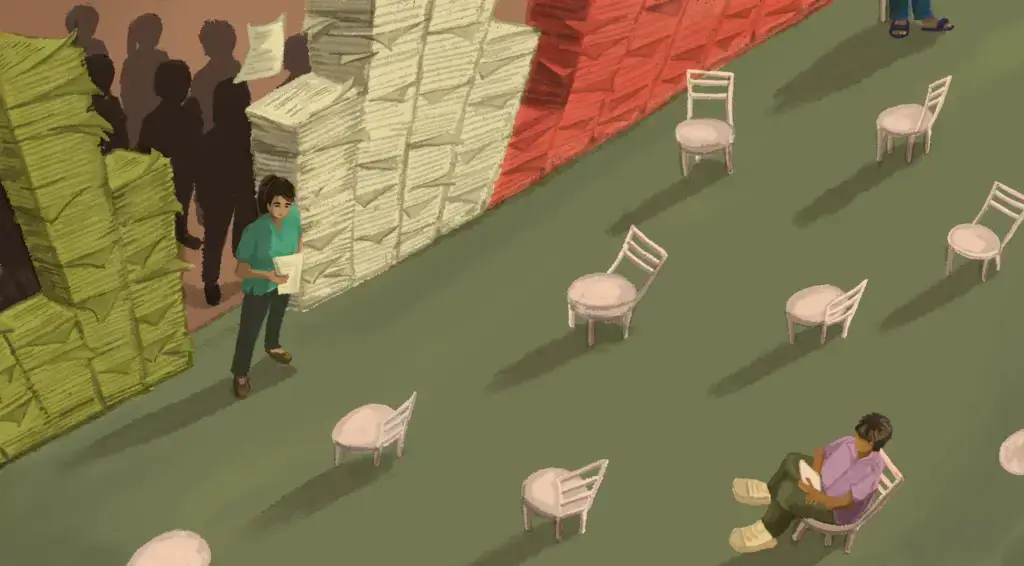
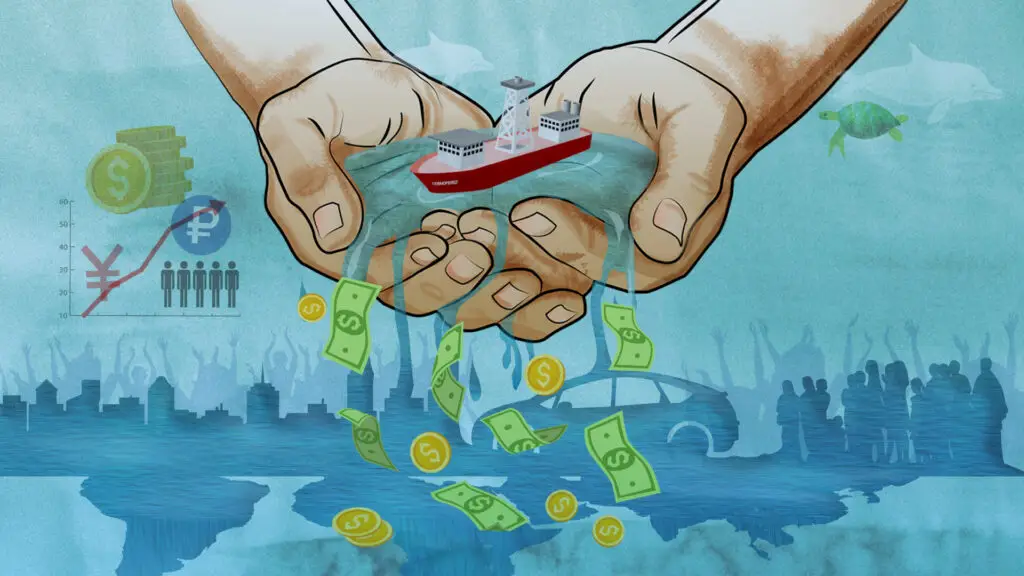
College-educated migrants arriving in Italy face one of the harshest job markets in Europe. Compared to natives with similar qualifications, migrants are overqualified, underpaid, and underemployed. As a doctor from Venezuela learned, landing steady employment even in a field with shortages can be a long struggle.

High language requirements, a one-size integration policy, and discrimination. Despite the need for labour, landing a job in Sweden has become a hurdle race for college-educated migrants, a new joint investigation with Lighthouse Reports shows.
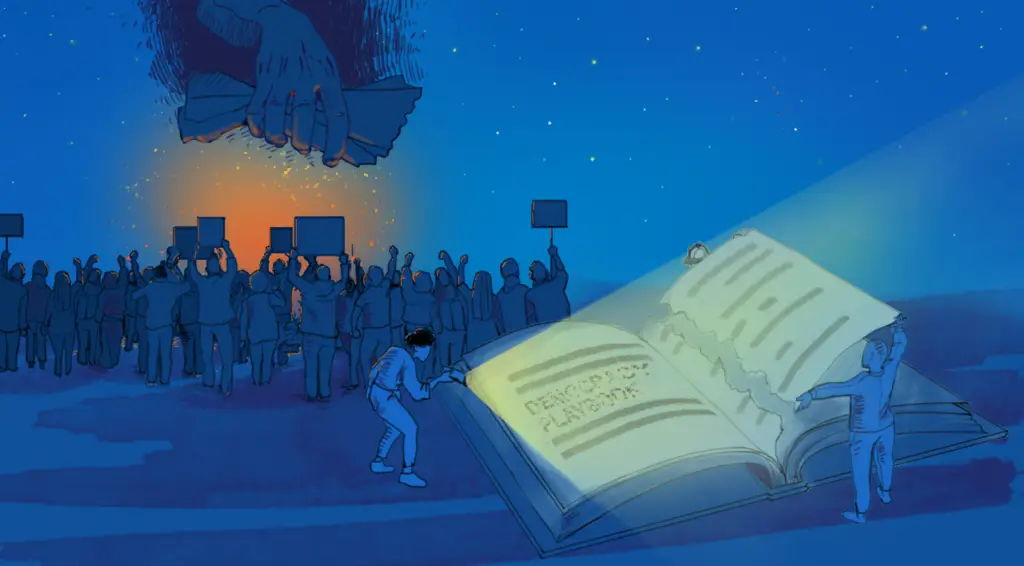
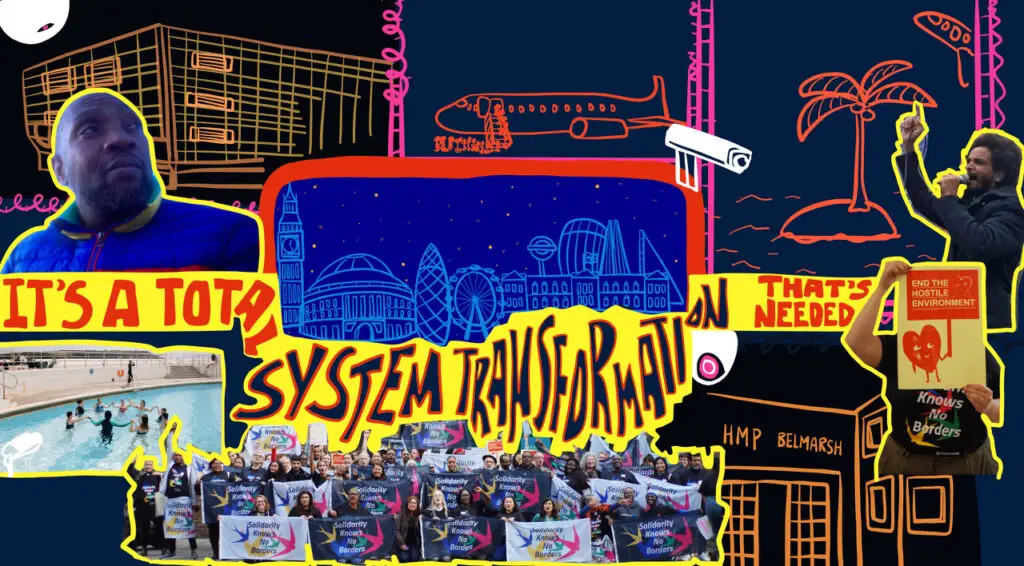
What tactics and strategies work to defend democracy from elite capture? How do people build movements to protect institutions, the environment, and each other from authoritarianism? What are the strategic, cultural, emotional resources possessed by the majority that can counter the way of authoritarianism?