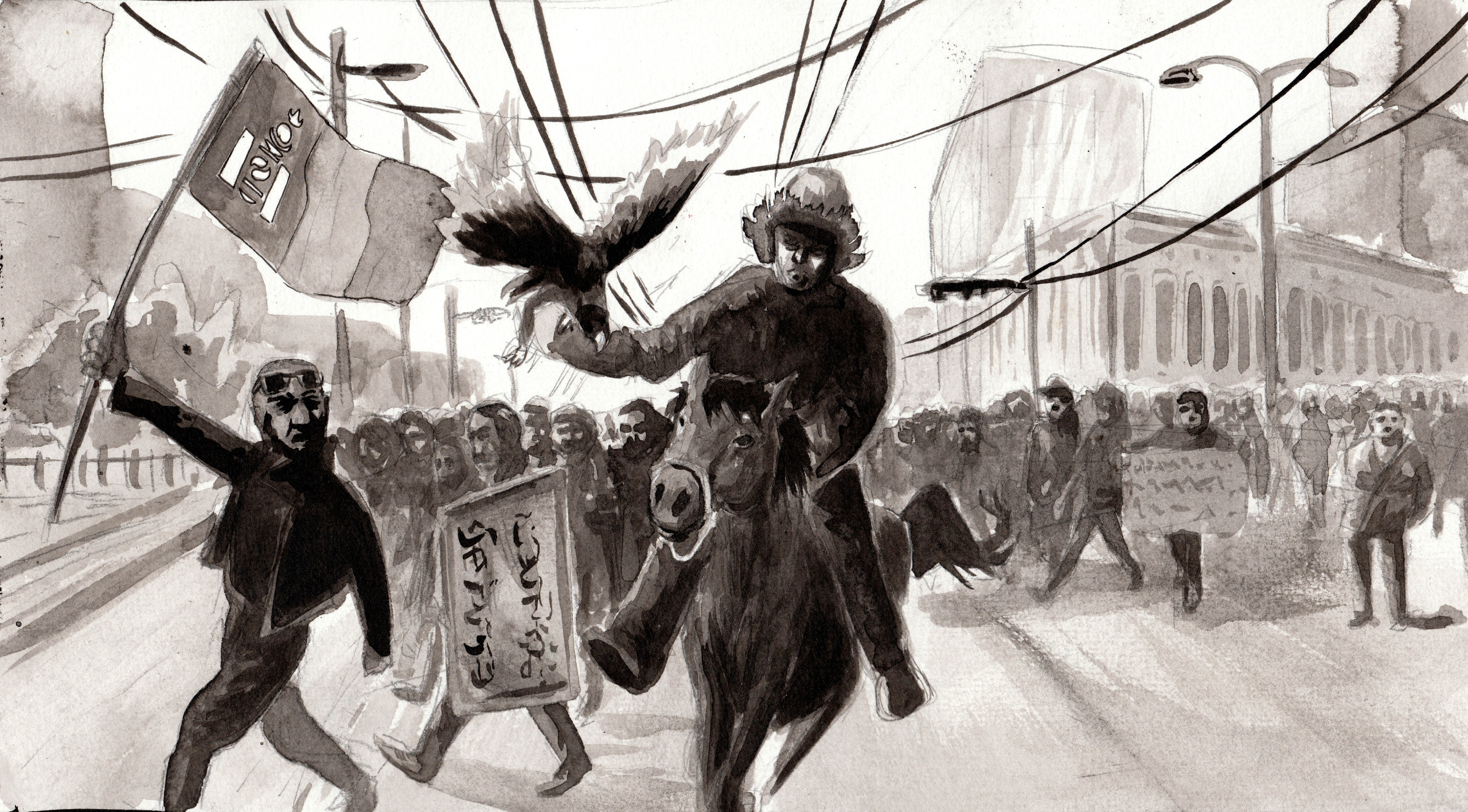
A man riding on a horse carries an eagle on his hand. On his left walks a man who waves a flag, behind them is a crowd on the street. Two protesters carry demonstration signs.

Going beyond the “single story”

Behind the Scenes of "Mind the Gaze: What's missing when Mongolia is seen through the eyes of foreign correspondents".

Allow us to begin this week’s post with a simple question – what’s the first word that comes into your mind when you think of your own country?


That one word can carry a plethora of meanings. It can come from a place of very personal memories, of movements, of milestones and aspirations shaped by history, culture, community.

Now, think about this – if you ask another person, someone of a different nationality, to describe your own country in one word, what do you think he, she or they will say?

In the case of Anand Tumurtogoo, a Mongolian journalist, there’s the concern that people may just say the same thing, give the same description, have only the same single thought about his land of birth, his home. And that one idea may even be solely founded on how Mongolia has been mainly portrayed in international media - something exotic, wild, romantic - and not based on how they, as Mongolians, tell and live their own story.

When Unbias the News talked to Anand about this article, our latest offering, he told us how the common and dominant reportage about Mongolia in the international media has been teetering on the dangerous edge of perpetuating stereotypes, of making their identity all about reindeer herders and eagle hunters.

Not that reporting on them is wrong per se, but as he consistently told us all throughout the process of writing this story, journalists like him are not given the chance to write anything beyond this specific subject, as the demand, if not dictation, from foreign media compels them to focus on this one narrative.

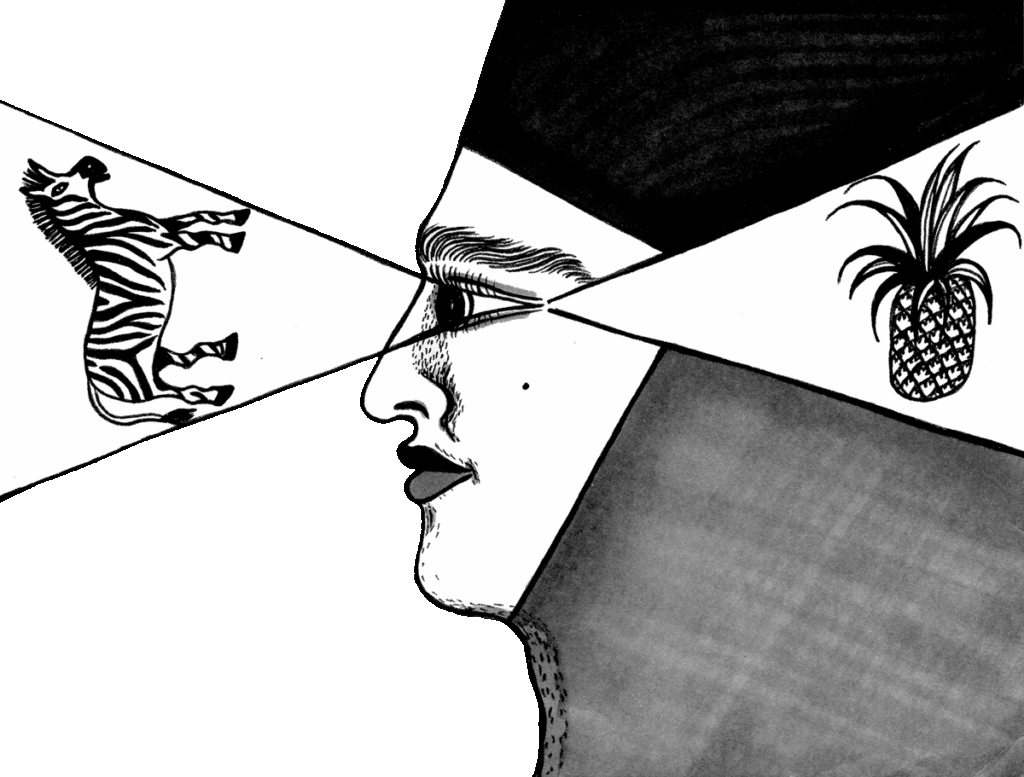
This brings into the fore how media has long contributed to stereotyping, to creating labels, emphasizing parts and aspects of a country and its people in their reportage while negating some.

It’s the “danger of the single story,” as Nigerian novelist Chimamanda Ngozi Adichie said in 2009, as she talked about how Africa is not only mistaken as a country - when it is a continent - because of how it has been depicted in articles, broadcasts and books, but also on how foreign writers have also turned Africa’s complexity into but a single “story of catastrophe.”

It’s about how, as then-Chinese student Shizeng Tie wrote in a newsletter for Johns Hopkins University in March 2021, biased reporting and stereotypical portrayals of Asians in Western media helped fan the flames of hate against Asians. She concluded her article with this challenge: “To fully protect the Asian population, news media need to take responsibility in — directly or indirectly — stirring up the dormant anti-Asian sentiment.”

It’s about how journalists from their own countries, like Anand, want to break these stereotypes so bad, but were not given that much of a chance, platform, attention, support and resources.

Anand said that beyond the characterization of Mongolia as just another interesting jaunt for a traveler, he longs to report for the global audience about how Mongolians pushed for reforms in governance and inform the rest of the world about their practices, beliefs, as well as the social, economic, health and political issues they struggle with and also try to resolve.

His story, which we offer you today, expounds on this aspiration and mission and we at Unbias the News share the same vision and goal – for local journalists like him to be given genuine, tangible, broad and sustainable support as they fight for their right to tell the stories of their own land, people and home.

Please consider a donation to support the work of our all-women newsroom. We create a space for journalists facing structural barriers, working towards a more equitable, inclusive world of journalism. Join our mission today!

Related Posts

Workers, miners, citizens cross paths in front of a factory and lake

Foreign capital, local burden: Who benefits from mining in Bosnia? 

When foreign companies restarted mining operations that had been shuttered since the breakup of Yugoslavia, Vareš had high hopes of economic revival. But as the state fails to take a stand against pollution and deforestation, optimism has given way to nostalgia for the socially owned mines of the communist era.

A woman with grocery bags walks on a cracked desert with oversized tomatoes surrounding her

Dollar stores, diesel fumes and food sovereignty in Chicago’s frontline communities

In communities shaped by redlining and disinvestment, the only places to shop are often dollar stores – stocked with plastic goods that have crossed oceans on container ships and rolled across states on eighteen-wheelers. These journeys are long, carbon-heavy, and almost invisible, but their impact is felt from Suzhou to Chicago, from the global climate to the human body.

COP comes to the Amazon: Is Belém ‘ready’ for the gringo’s gaze?

This year’s COP, the UN’s 30th global climate summit, is hosted by Belém. The Brazilian media has become obsessed with Belém’s poverty and underdevelopment – shortcomings that weren’t deemed newsworthy until the urban Amazon became a focus of the world’s attention. But what does it mean to be prepared? For whom?

Help us fight for a more inclusive journalism