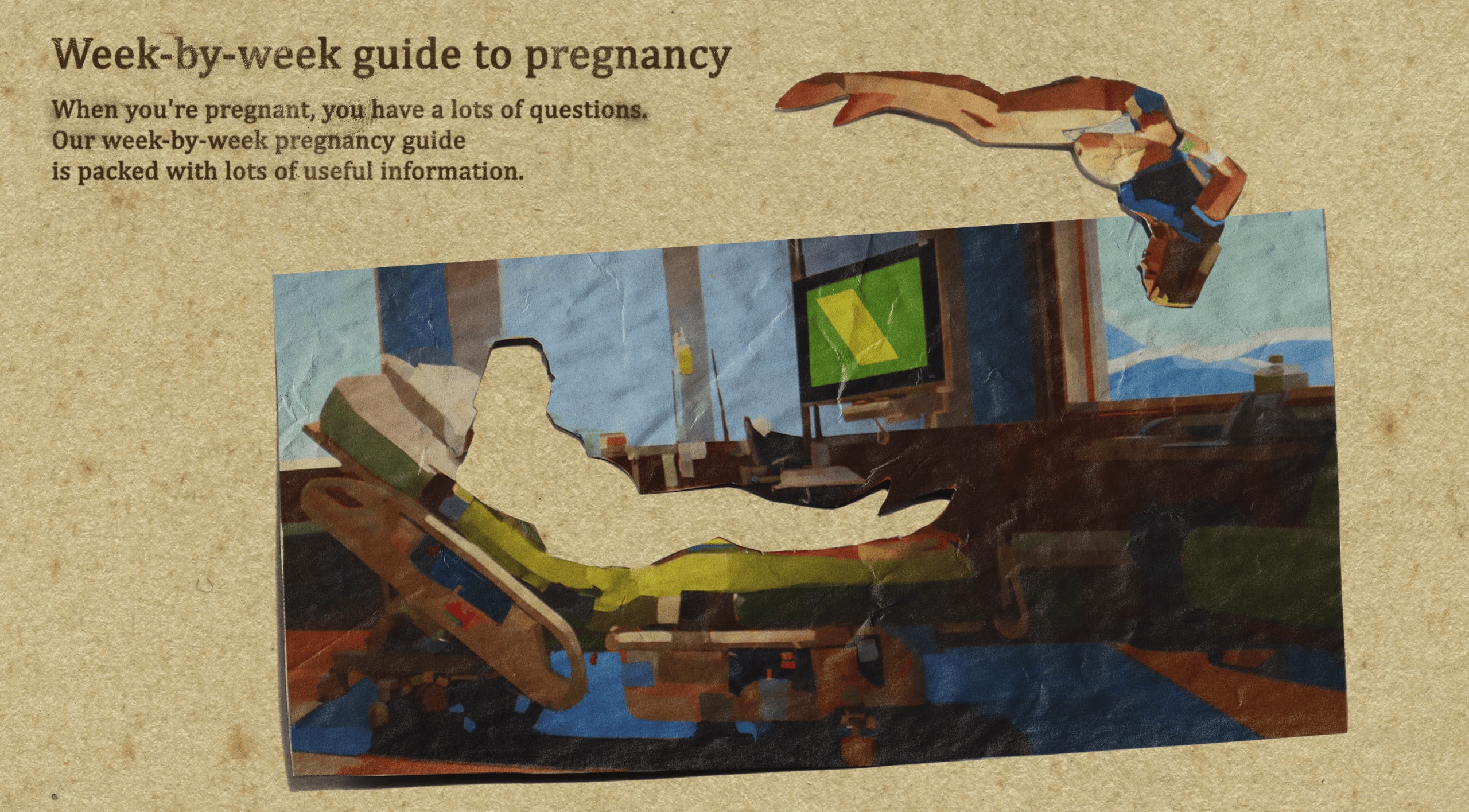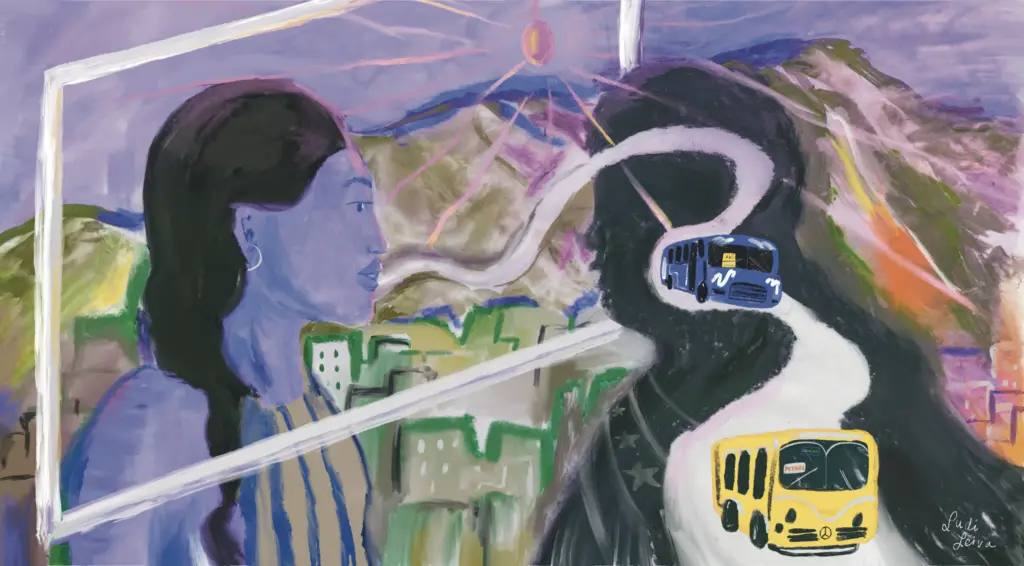
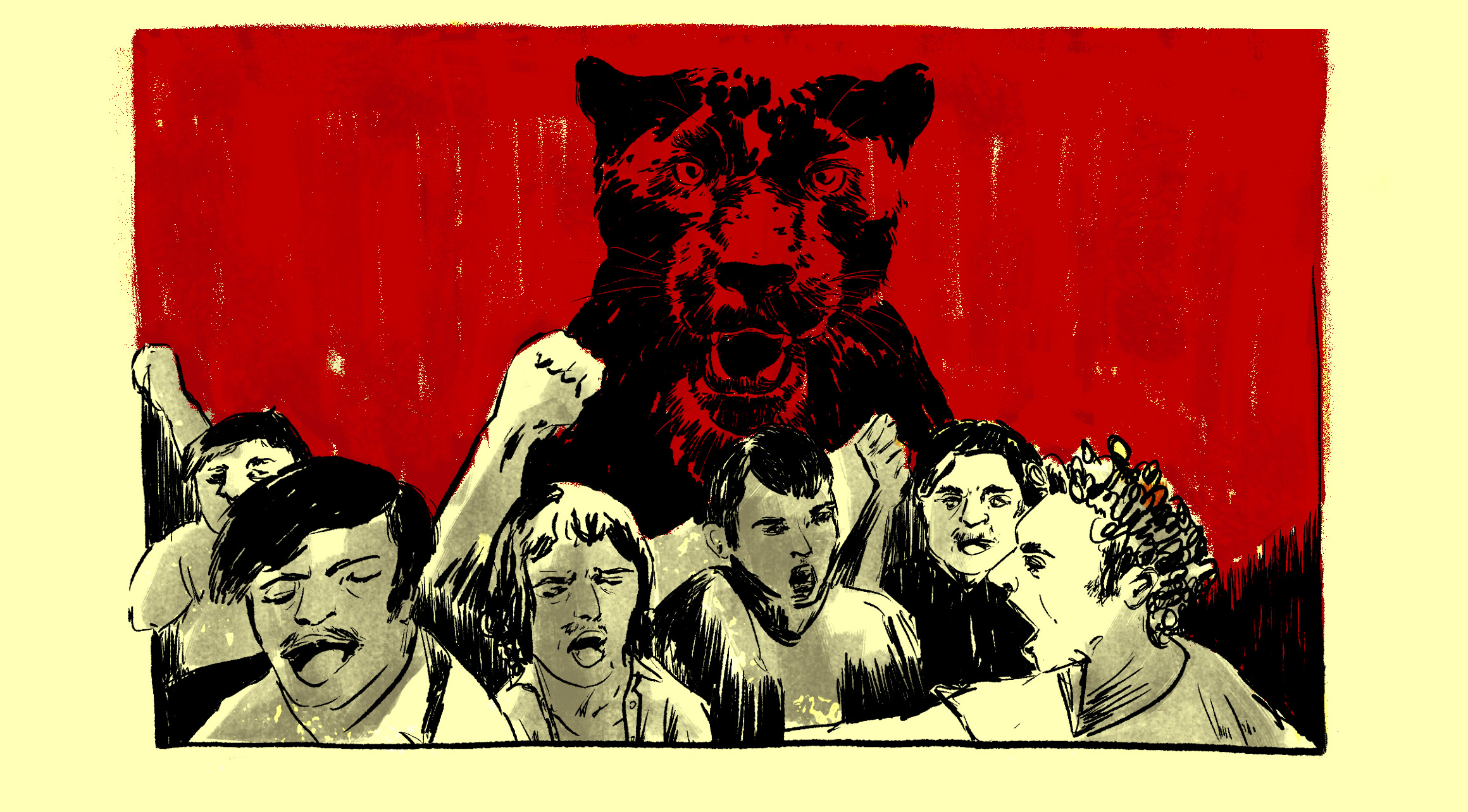
‘Like cattle to the slaughter’: Your unofficial handbook for giving birth in Romania
A crisis in maternity care, revealed through the eyes of the women who experienced it.
Behind the Scenes of "Rehmat or Zehmat? Learning to Cope with Trauma From Rain in a Pakistani Metropolis"
How does rain effect your city?
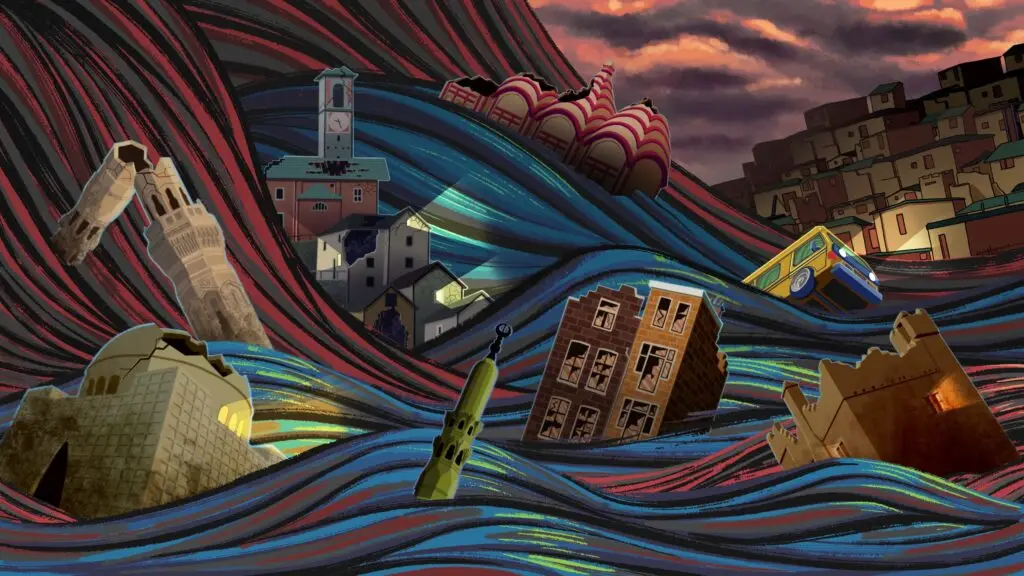
Last year, my father spent his 70th birthday in Karachi at home with my mother, without any electricity for hours. All around their apartment building was knee-deep floodwater in an area of the city considered ‘posh’ for years.
Floods caused by rain have been a pressing issue in Karachi for decades. But now as the world collectively seems to be making an effort to talk about climate change more, it’s time to focus on damage control in cities like Karachi where floods render people homeless. Then there is also the trauma from such disastrous floods that follow us ‘Karachiites’ wherever we go when we leave. Be it a dorm room in Europe where you pursue higher education or a work trip to America, where there may not be life-threatening climate disasters but one can’t help but feel the need to stay indoors in an attempt to feel secure because psychologically and emotionally, rainy moments just never feel right.
In our latest personal essay written by Zoya Anwer, we wanted to shed light on how something like rain can cause lifelong trauma, and its impact on language (Urdu) and music for people living in Karachi. In Karachi, where monsoon season often means days without electricity, flooded roads and property damage, is rain truly a rehmat (blessing) from nature or ongoing zehmat (misery) for city dwellers?
As Zoya explains in the article: “It is during the outpour that a very painful linguistic migration occurs: the Urdu word رحمت (Rehmat: blessing) gets a nuqta (dot) on the first letter changing it from ray to zay (ر to ز ). Thus transforming it to the word زحمت (Zehmat: trouble/misery) reflecting the misery caused by the state's callousness and neglect.”
While for some Western countries, rain is just…well, rain, people from other parts of the world where annual floods are commonplace carry within themselves anxiety and stress surrounding heavy rainfall.
When I first saw ‘Singin’ In the Rain’ and the song came on, I couldn’t understand the joy behind it. Not because he was in love but because of where I’m from, singing outside in the rain means being ogled at by men who freely embrace public spaces or possible electrocution from live wires in the flood water that gathers rather fast in some areas of Karachi. Other South Asian cities too, have increasingly been dealing with climate disasters, and this personal essay by Zoya was our attempt to start a conversation around how those of us belonging to affected regions carry some wounds within us related to climate change.
We hope that this piece got you thinking about rain in your own regions. If you hope for more thought-provoking pieces from Unbias the News, we would love your support.
Please consider a donation to support the work of our all-women newsroom. We create a space for journalists facing structural barriers, working towards a more equitable, inclusive world of journalism. Join our mission today!

A crisis in maternity care, revealed through the eyes of the women who experienced it.

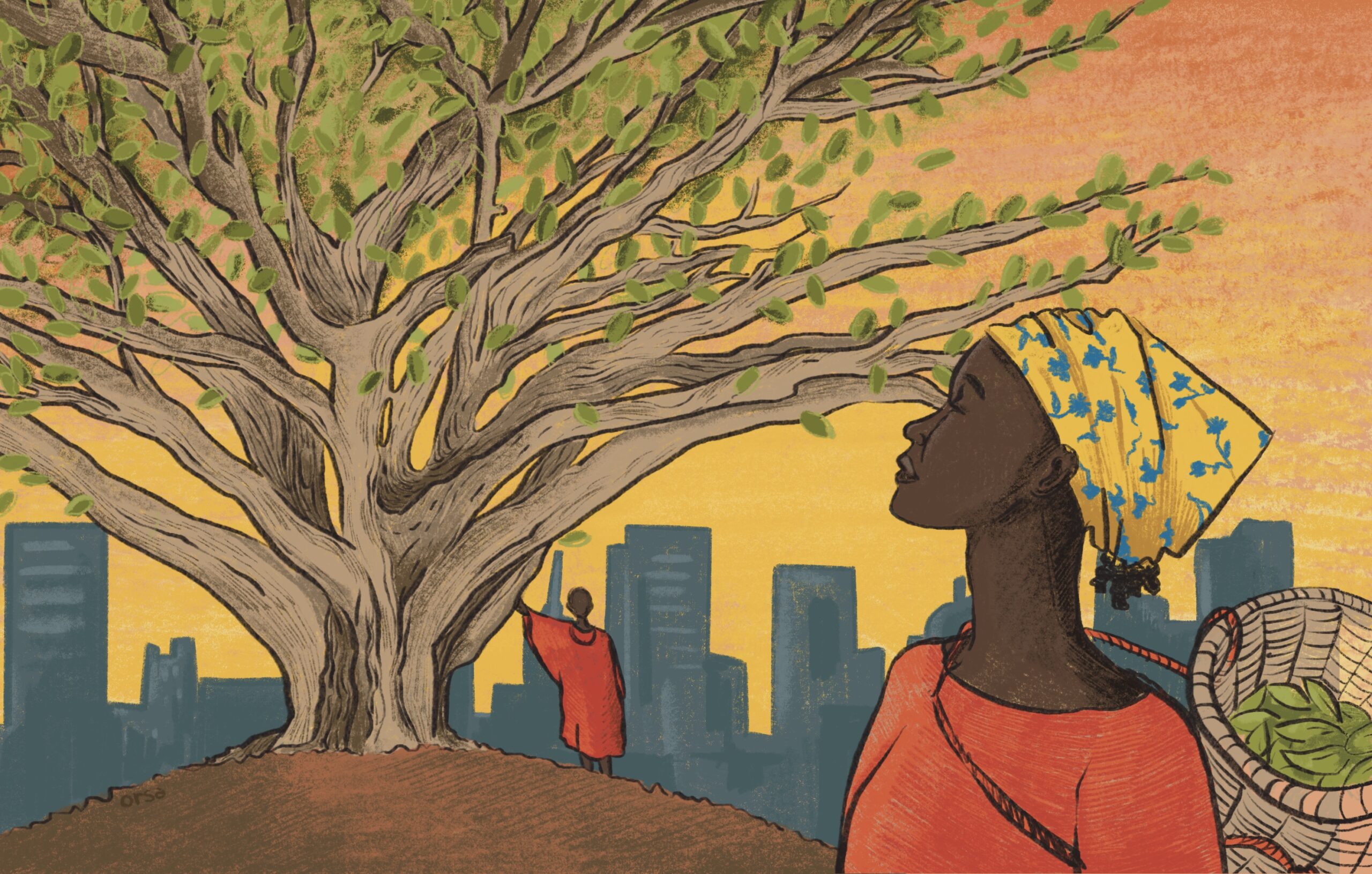
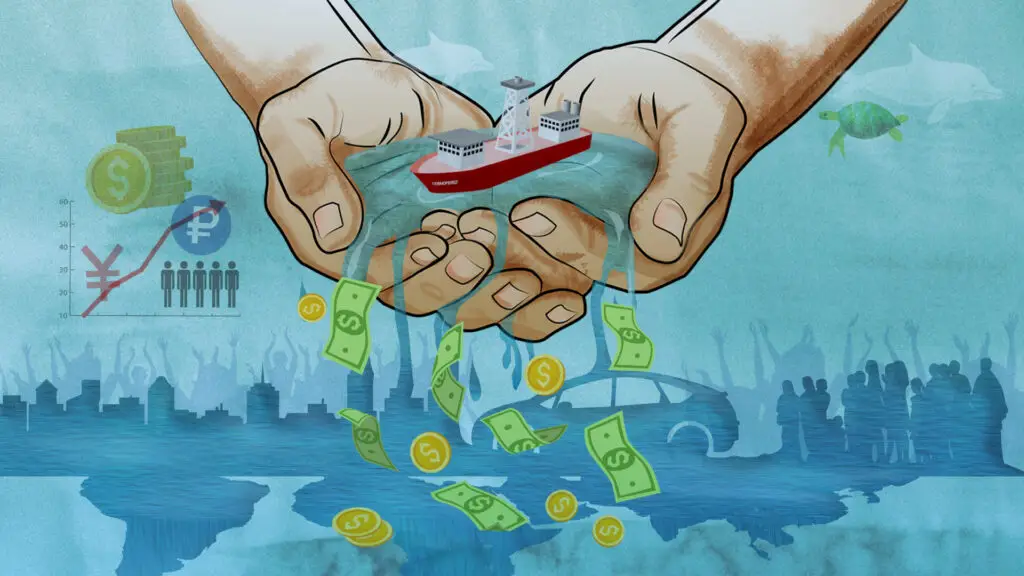
Facing ecological degradation under climate change, some in Kenya are looking back on traditional indigenous knowledge that prioritizes sustainable harmony with nature over short-term profits. Now, these customary rules may become laws on paper as well.

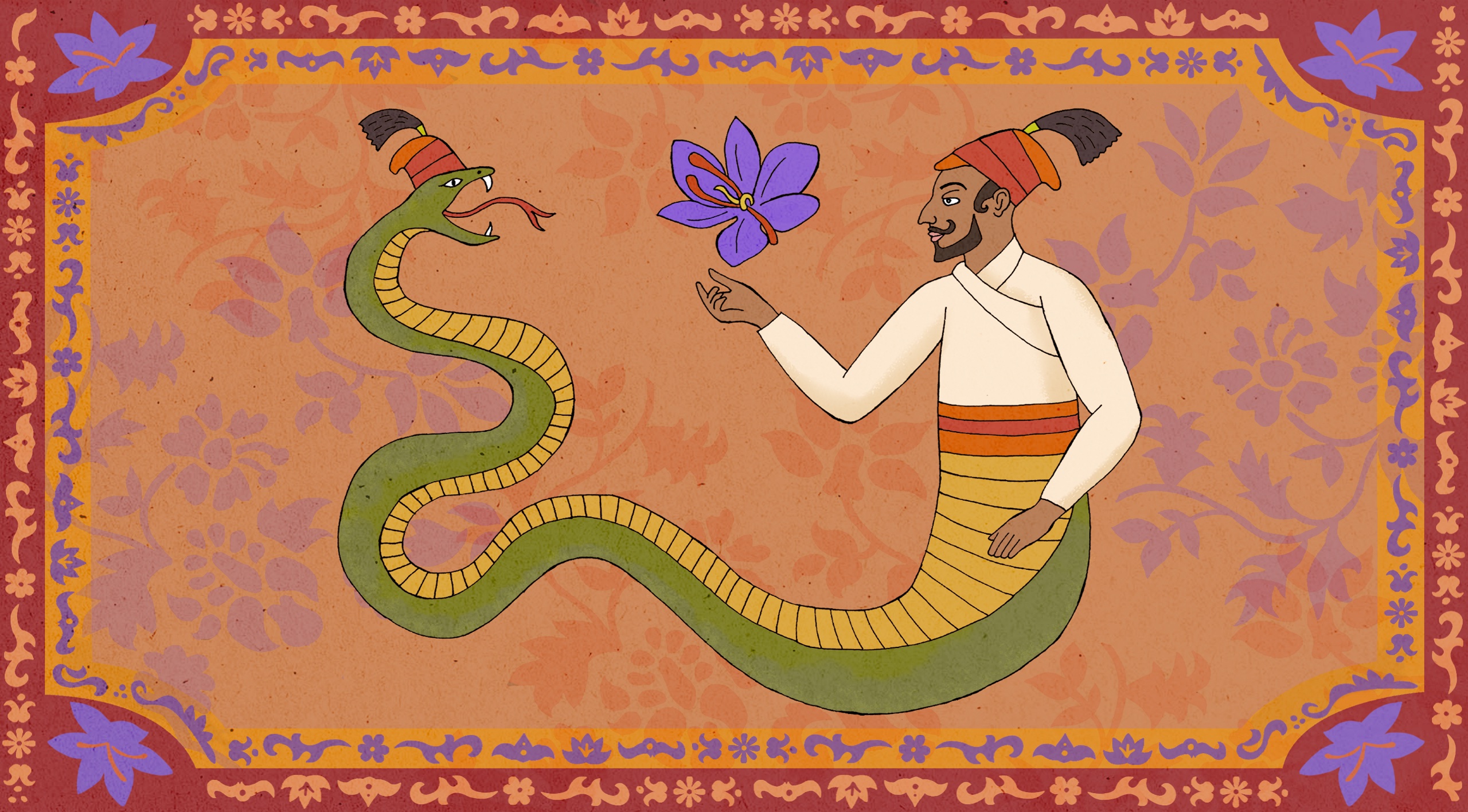
Saffron production in Kashmir is at an all-time low. In the push and pull between traditional practices and modern methods endorsed by the government, Kashmir’s most coveted crop is losing out to climate change and unplanned urban development.

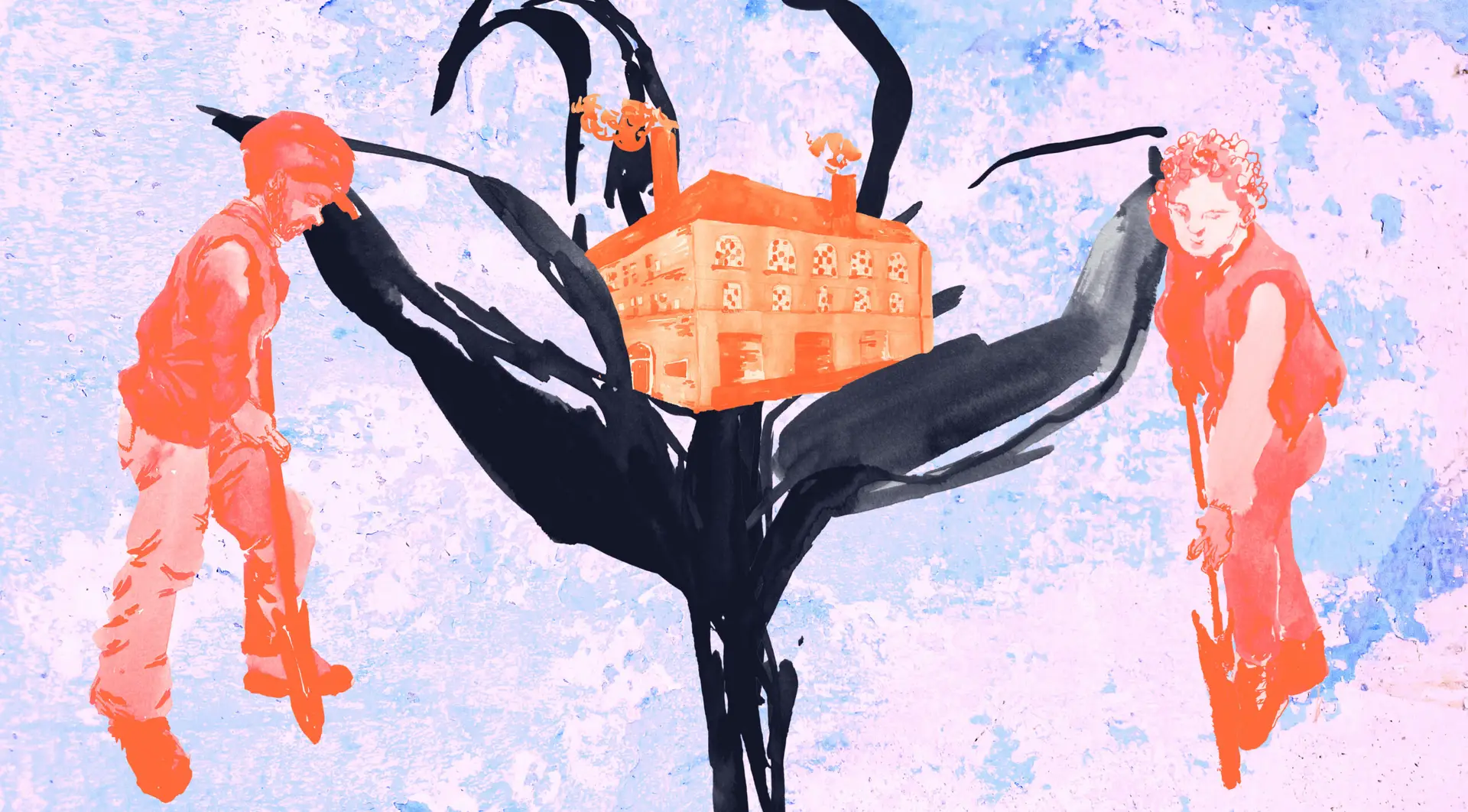
The sudden demise of a long-running car-parts factory outside Florence was just the beginning of a different story. Protesting relentlessly and demanding a chance to rebuild from the ground up, the workers’ struggle changed the law throughout the region, and created a model for a new kind of factory.

Shepherds and their flocks are integral to the history of European culture and ecology. Now, a new generation of pastoralists – from migrants escaping underpaid care work, to science graduates looking for tangible ways to protect the planet – are rewriting patriarchal traditions to preserve it for the future.