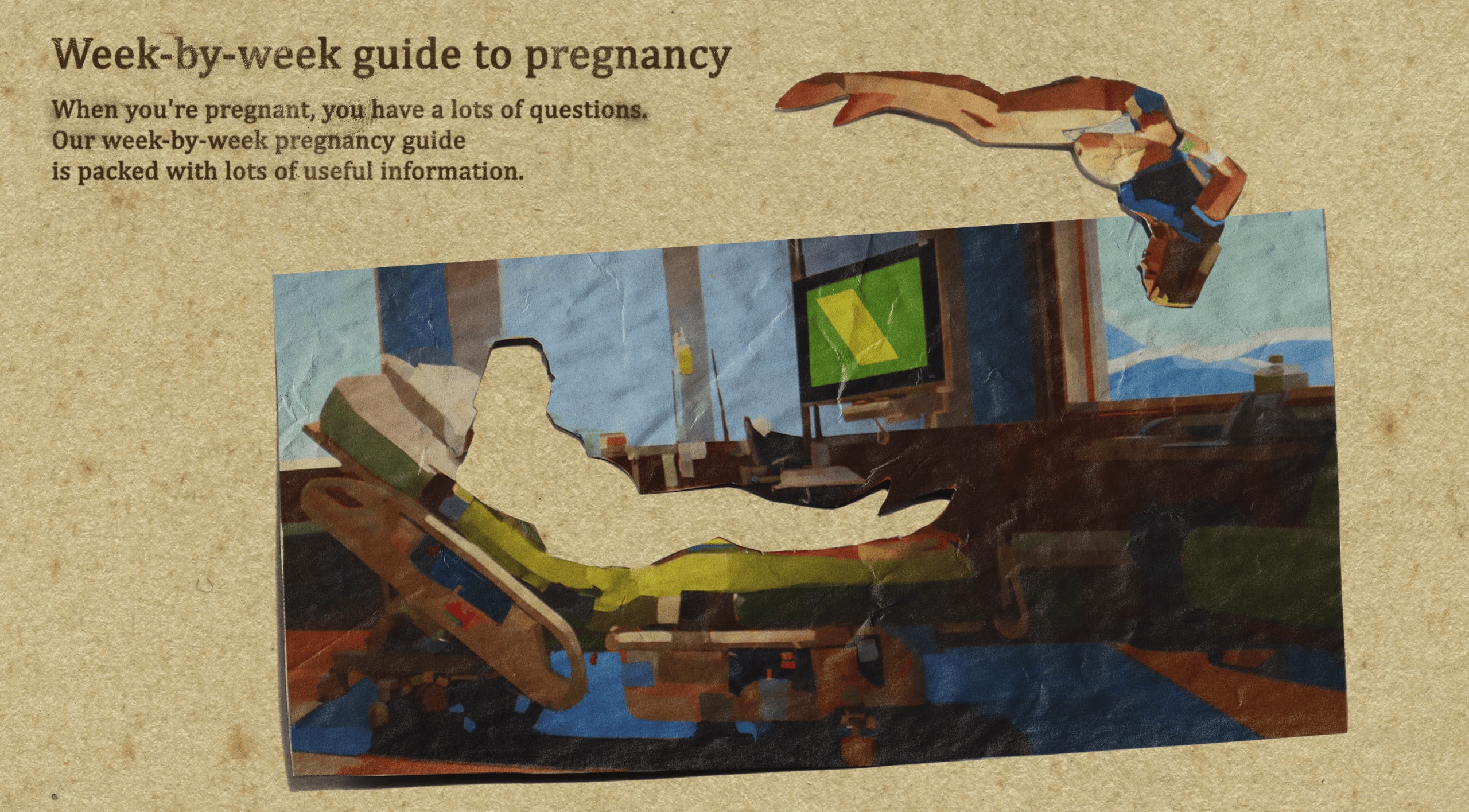
‘Like cattle to the slaughter’: Your unofficial handbook for giving birth in Romania
A crisis in maternity care, revealed through the eyes of the women who experienced it.

Behind the Scenes of "Private Abuse in Telegram’s “Public Rooms”: Can North Macedonia Fight Online Sexual Harassment?"
In the recent sci-fi thriller “The Invisible Man”, Elizabeth Moss plays a woman who flees an abusive relationship after her husband’s apparent death, only to discover that her ex has actually faked his death and invented new technology to become invisible, the better to harass her in a way that she cannot prove and no one believes.
I have to confess, I didn’t see it. Because I don’t really need to imagine new ways that technology will be used to abuse women in the future, when it's already happening all around us.
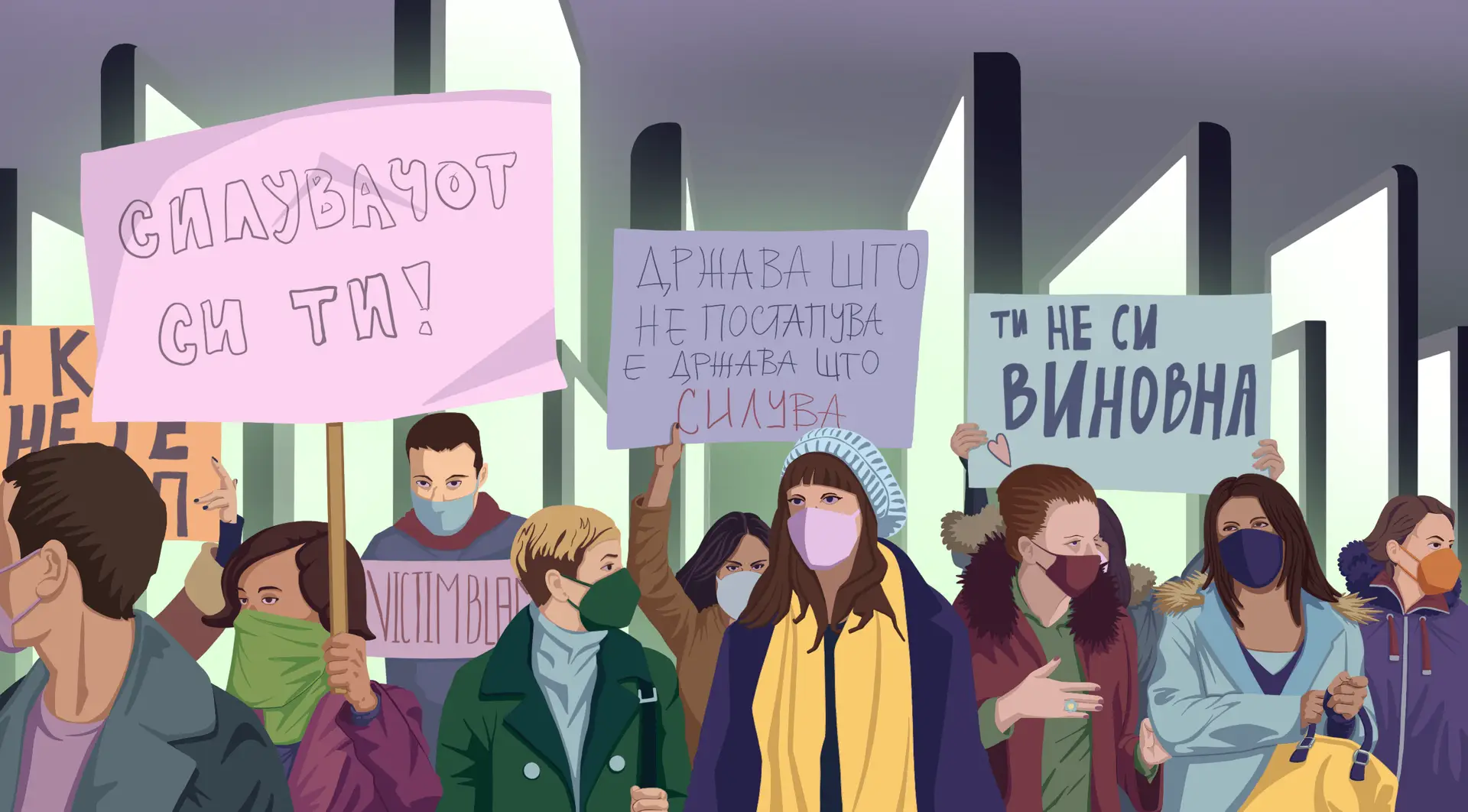
In our latest story, Elena Gagovska explores a scandal that transpired in North Macedonia but has echoes all over the world. Adults, teenagers, even prominent politicians used a Telegram channel to distribute nude photos of women without their consent, as well as contact info for women and teens – even child pornography. But when the rooms were discovered, law enforcement seemed to struggle to hold anyone responsible.
We chose this piece because the use of tech as a loophole for harassment hit a nerve. Even as conversations about consent, gender identity, and power relations are more nuanced and widespread globally than ever before, women are facing a backlash enabled by big tech and internet anonymity.
In India, journalists and activists face coordinated harassment by large groups organized on WhatsApp and social media. Journalist Rana Ayyub was even targeted by a campaign distributing deep-fake porn videos of her after investigating the ruling BJP party.
In the US, states are pushing for sneaky new laws that pay people who report on women who accessed abortion rights, and men are already coordinating online how they can use surveillance of women to collect a cash reward.
The laws designed to protect from harassment and invasion of privacy, often created by men who were born in an era long before the internet or mobile phones, are simply not up to the task.
In the meantime, internet, messaging apps and social media have also been harnessed by feminist movements around the world, from #metoo to Poland’s abortion-rights Czarny Protest to the viral performance “The Rapist is You” from Chile that caught on worldwide.
But the full potential remains untapped, while impunity for sexist harassment seems to develop in all directions, like a rhizome that grows new roots whenever one avenue has been cut off.
Perhaps the solution lies in prevention, and holding space for new forms of masculinity that don’t reward “locker room talk” and worse, whether IRL or online. Until then, we at Unbias the News will continue to monitor how tech is being used by the powerful, and how the oppressed are fighting back.
Please consider a donation to support the work of our all-women newsroom. We create a space for journalists facing structural barriers, working towards a more equitable, inclusive world of journalism. Join our mission today!

A crisis in maternity care, revealed through the eyes of the women who experienced it.
Facing ecological degradation under climate change, some in Kenya are looking back on traditional indigenous knowledge that prioritizes sustainable harmony with nature over short-term profits. Now, these customary rules may become laws on paper as well.

Saffron production in Kashmir is at an all-time low. In the push and pull between traditional practices and modern methods endorsed by the government, Kashmir’s most coveted crop is losing out to climate change and unplanned urban development.
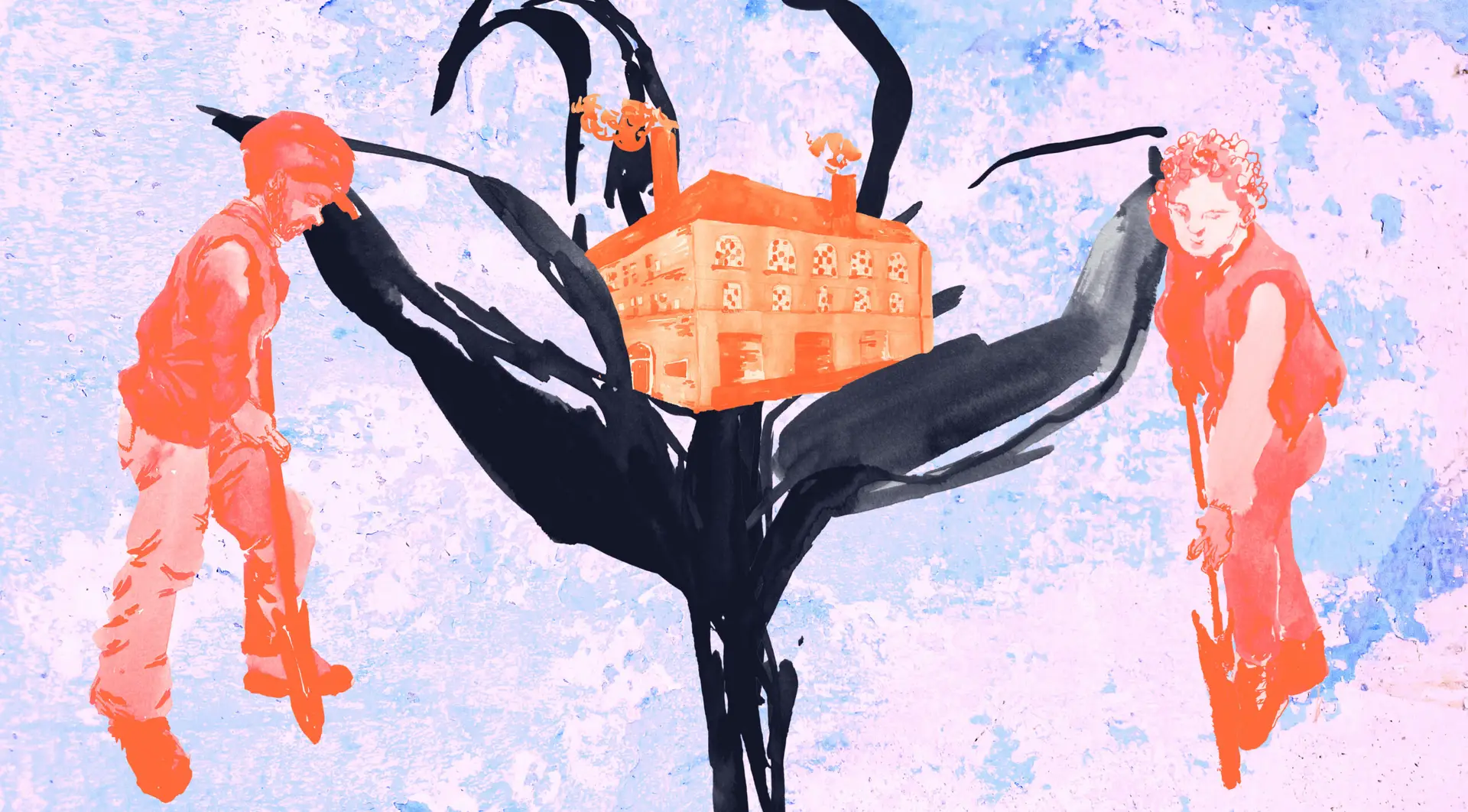
The sudden demise of a long-running car-parts factory outside Florence was just the beginning of a different story. Protesting relentlessly and demanding a chance to rebuild from the ground up, the workers’ struggle changed the law throughout the region, and created a model for a new kind of factory.
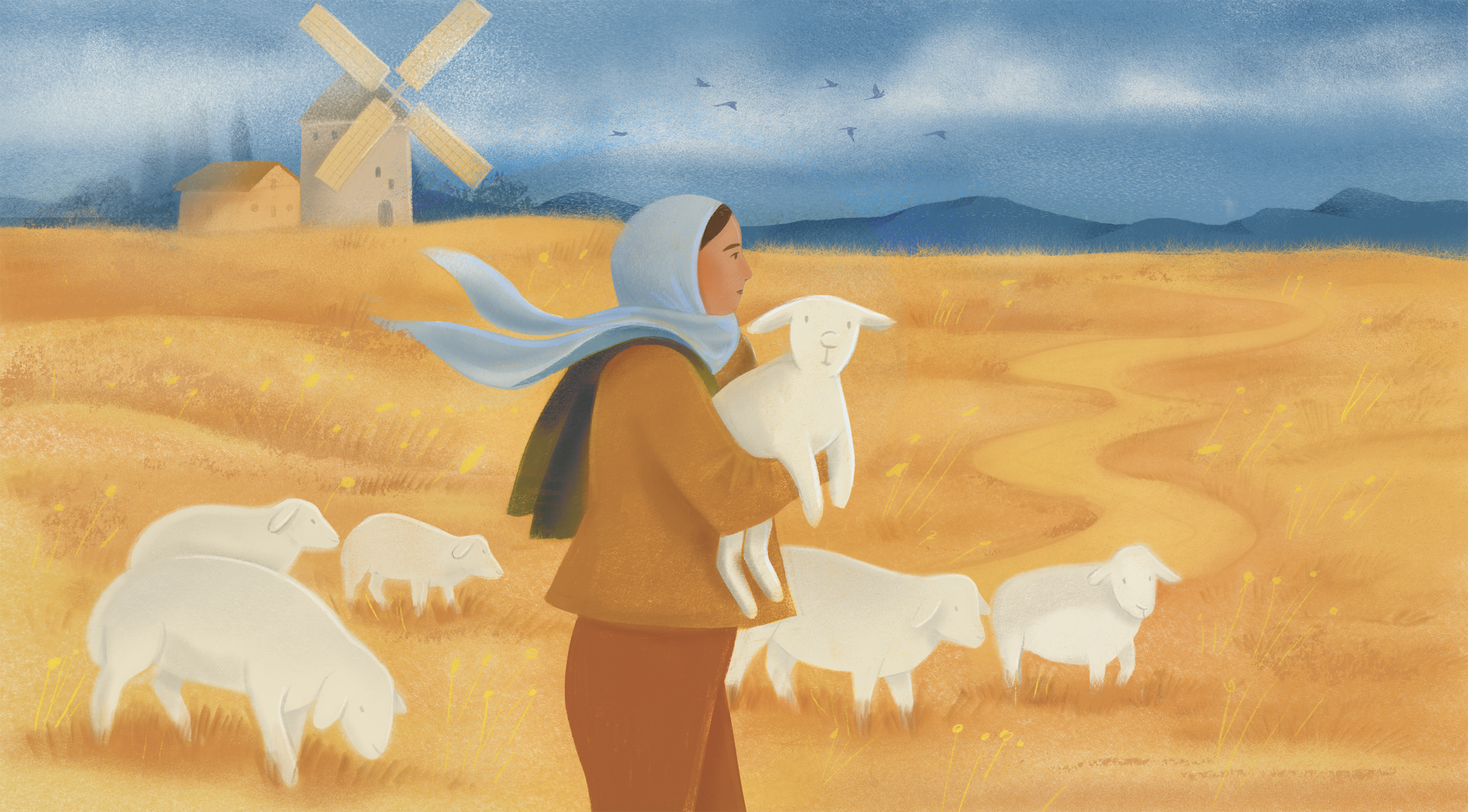
Shepherds and their flocks are integral to the history of European culture and ecology. Now, a new generation of pastoralists – from migrants escaping underpaid care work, to science graduates looking for tangible ways to protect the planet – are rewriting patriarchal traditions to preserve it for the future.